Travel National Parks

National park trails in the United States popular among experienced hikers

Liam Parker
4.2
May 20, 2026

For explorers who want more than a casual walk, the United States offers some seriously demanding hiking trails that push both physical and mental limits. These aren’t your average scenic strolls; they involve steep climbs, exposure to extreme weather, and terrain that requires skill, endurance, and preparation. From desert canyons to alpine peaks, these trails reward experienced hikers with unforgettable views but only if you’re ready for the challenge.

1. Alta Peak Trail, Sequoia & Kings Canyon National Parks
© Shutterstock / Mia2you

1. Alta Peak Trail, Sequoia & Kings Canyon National Parks

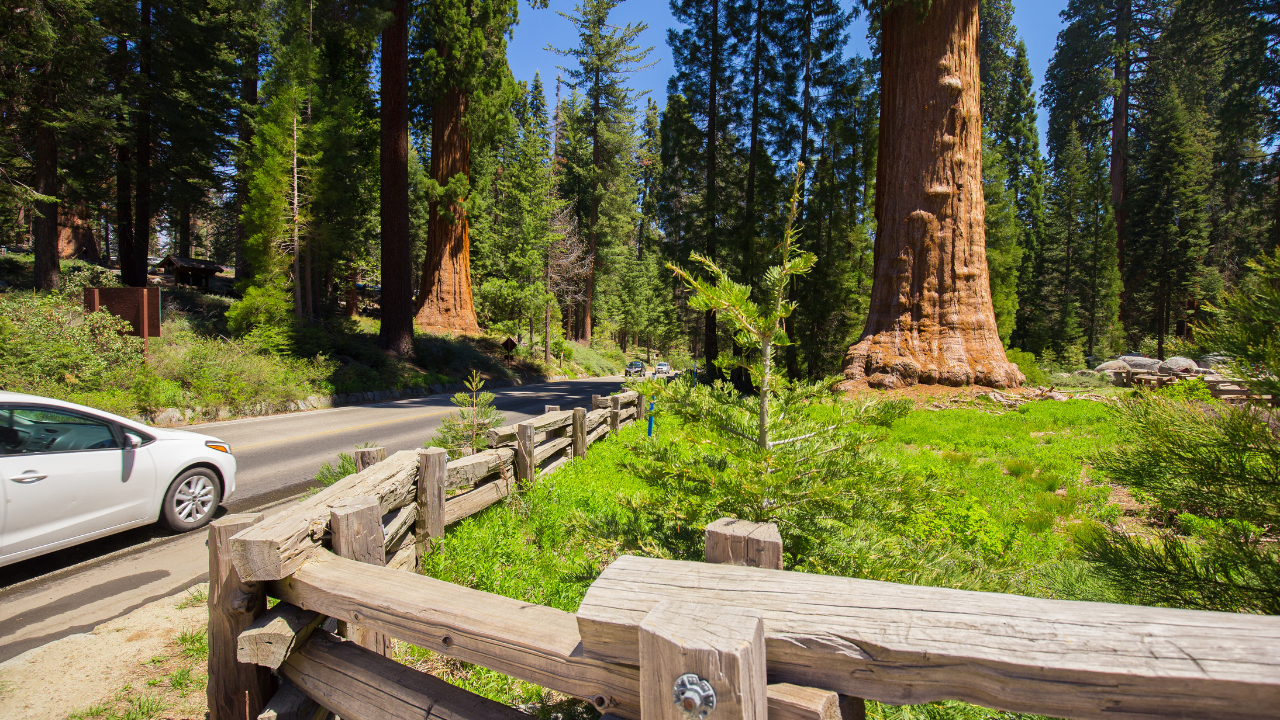
Alta Peak Trail delivers one of the most rewarding yet punishing hikes in California’s Sierra Nevada. The route stretches roughly 14 miles roundtrip with nearly 4,000 feet of elevation gain, taking hikers through forests, alpine meadows, and high-altitude terrain where snow can linger even in summer. The final ascent is steep and relentless, but the panoramic views from the summit spanning endless mountain ranges make every step worth it for seasoned hikers.

Best Season to Visit: Late summer to early fall

Ideal Visiting Hours: Early morning start for a full-day hike

Traveler Tip: Acclimatize to altitude before attempting

Must-Know: Snow and thin air can make this hike significantly harder

2. Angels Landing, Zion National Park
© Shutterstock / Unai Huizi Photography

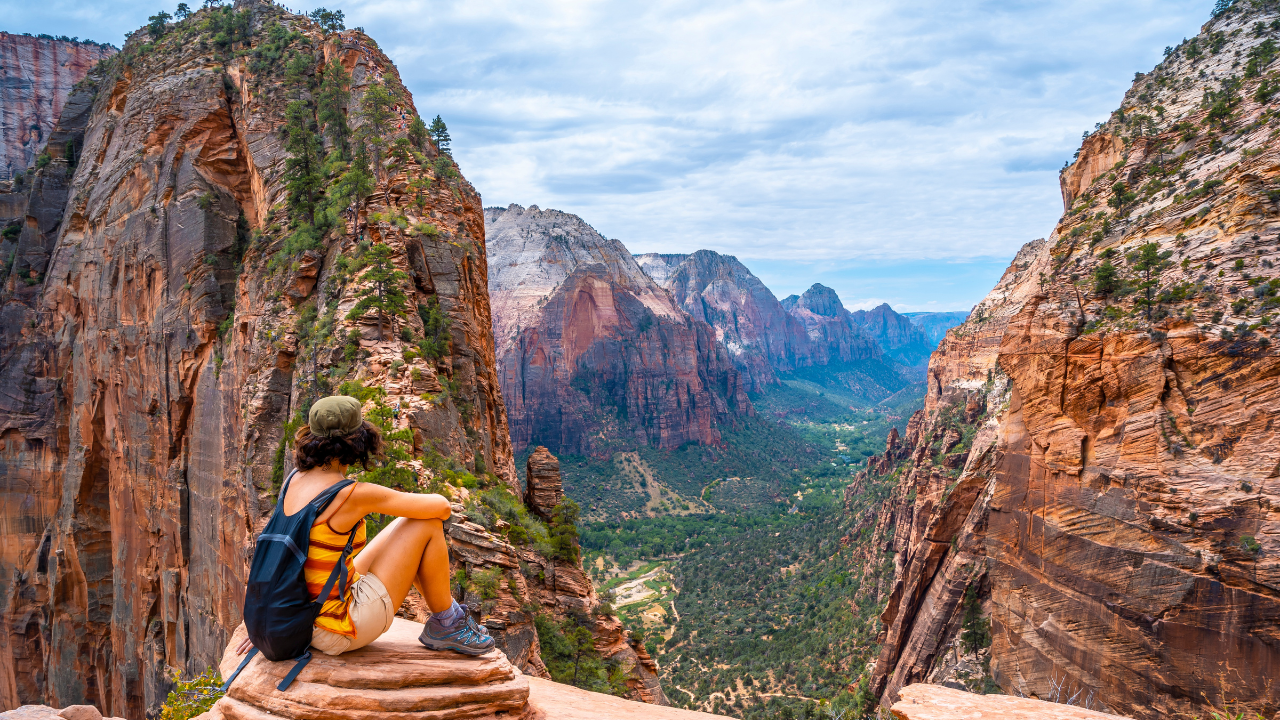
2. Angels Landing, Zion National Park

Angels Landing is one of the most infamous hikes in the U.S., known for its narrow ridgeline and sheer drop-offs on both sides. The final stretch involves gripping chains bolted into the rock as you navigate a spine-like path high above Zion Canyon. While the views are breathtaking, the exposure and steep climbs make this trail strictly for experienced hikers who are comfortable with heights and technical sections.

Best Season to Visit: Spring and fall

Ideal Visiting Hours: Early morning to avoid crowds and heat

Traveler Tip: Secure permits in advance

Must-Know: Not suitable for those with a fear of heights

3. Avalanche Peak Trail, Yellowstone National Park
© Shutterstock / AndyGriffin

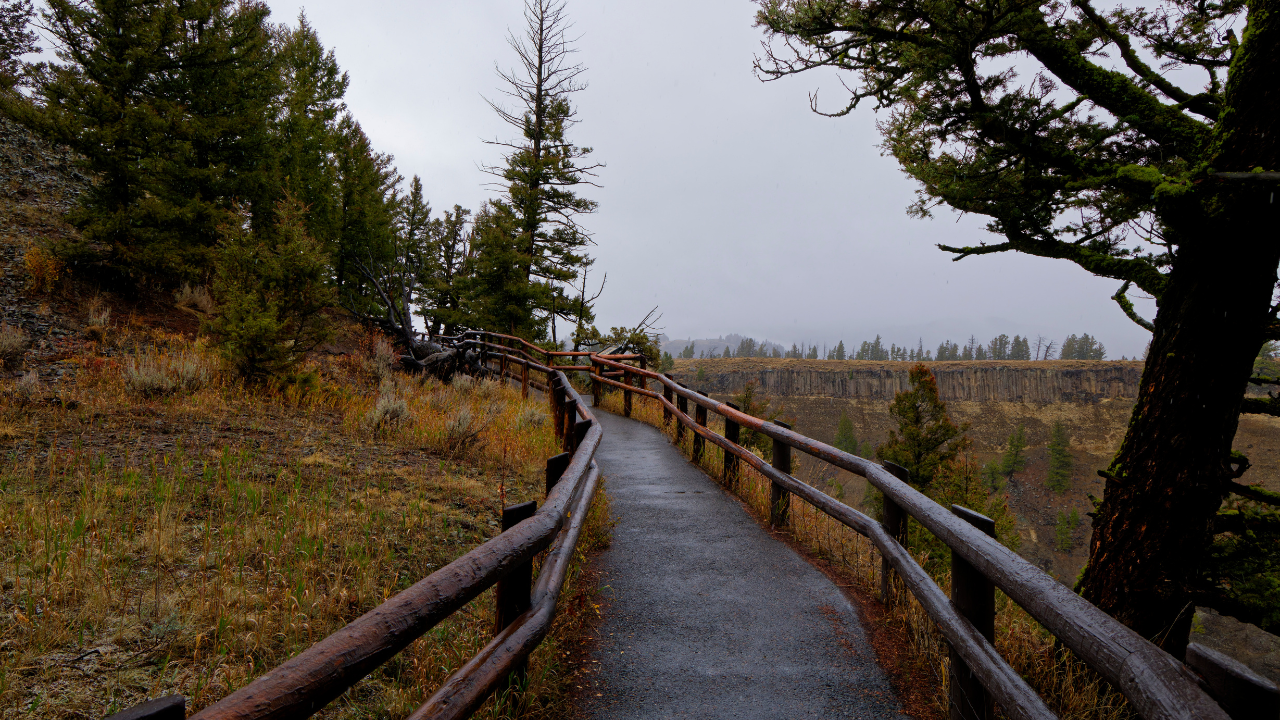
3. Avalanche Peak Trail, Yellowstone National Park

Avalanche Peak Trail is a short but intense climb that tests endurance and awareness. The trail rises quickly through forest before opening into exposed alpine terrain where weather can change rapidly. Even in summer, sudden drops in temperature and strong winds are common. Wildlife encounters, including bears, add another layer of unpredictability, making this hike best suited for experienced adventurers.

Best Season to Visit: Late summer

Ideal Visiting Hours: Morning to early afternoon

Traveler Tip: Carry bear spray and check weather conditions

Must-Know: Rapid weather changes are common at higher elevations

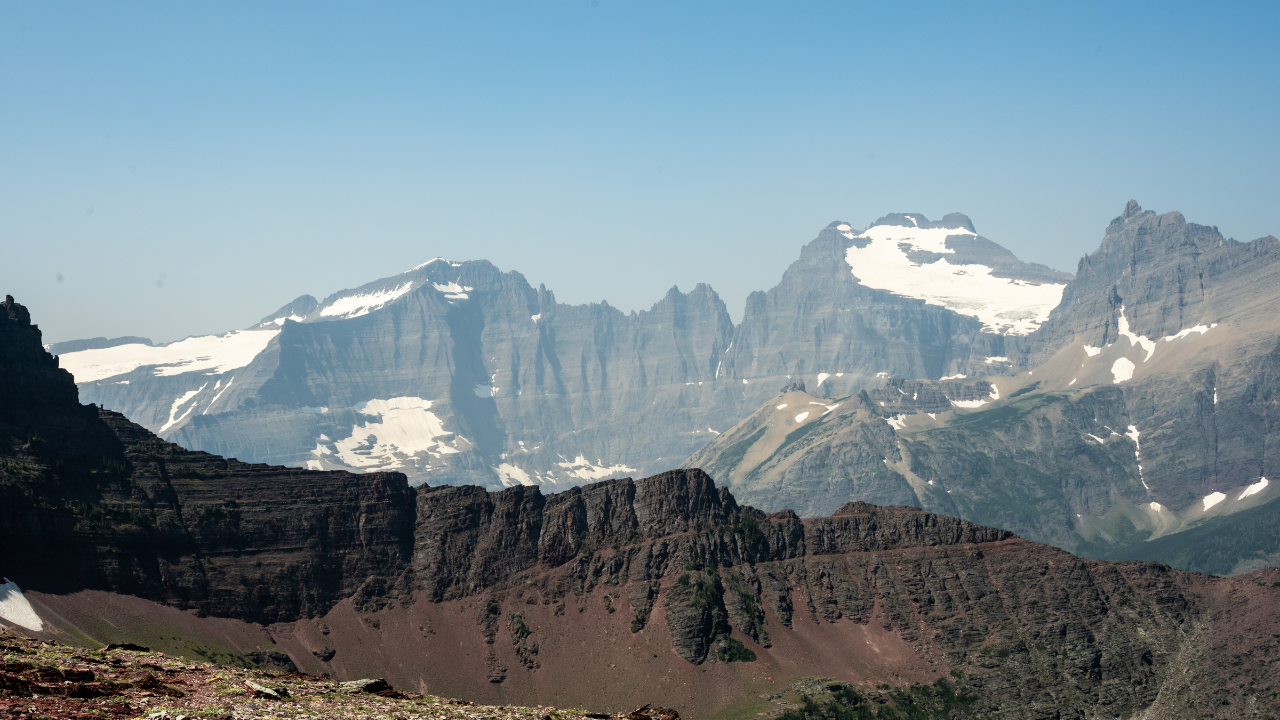
4. Burroughs Mountain Trail, Mount Rainier National Park
© Shutterstock / TLBridges

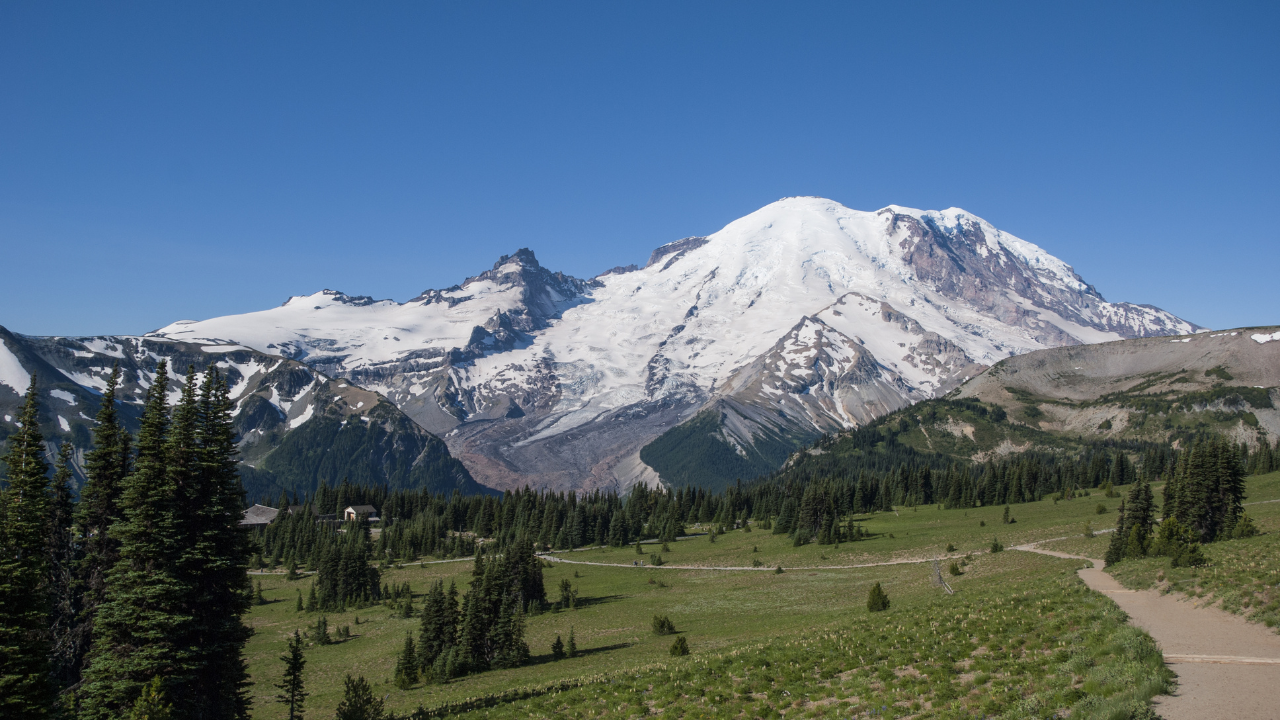
4. Burroughs Mountain Trail, Mount Rainier National Park

The Burroughs Mountain Trail offers rugged volcanic landscapes and close-up views of Mount Rainier, but it demands steady endurance. The hike includes multiple peaks with elevation gains and exposed sections that can become dangerous when icy. While the distance varies depending on how far you go, the terrain and weather conditions require strong hiking experience and preparation.

Best Season to Visit: Summer

Ideal Visiting Hours: Mid-morning for clear visibility

Traveler Tip: Wear sturdy boots for rocky terrain

Must-Know: Snow and ice can persist outside peak season

5. Clouds Rest, Yosemite National Park
© Shutterstock / Beach Creatives

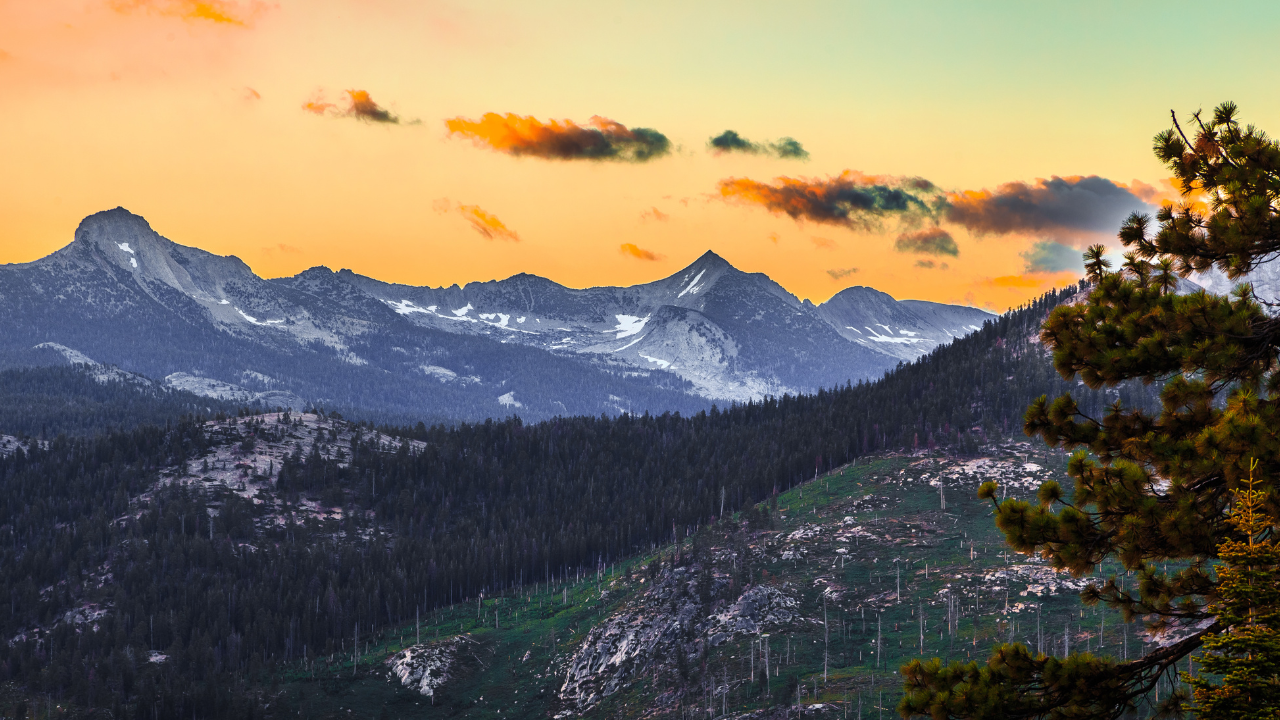
5. Clouds Rest, Yosemite National Park

Often overshadowed by Half Dome, Clouds Rest is a quieter but equally challenging alternative. This 14-mile hike features steep climbs and a narrow ridge near the summit with dramatic drop-offs. The payoff is one of the best panoramic views in Yosemite, including a direct look at Half Dome. The distance and exposure make it a serious undertaking for experienced hikers.

Best Season to Visit: Summer to early fall

Ideal Visiting Hours: Start early for a full-day hike

Traveler Tip: Bring plenty of water, limited sources on trail

Must-Know: Final ridge section requires careful footing

6. Fairyland Loop, Bryce Canyon National Park
© Shutterstock / Wirestock Creators

6. Fairyland Loop, Bryce Canyon National Park

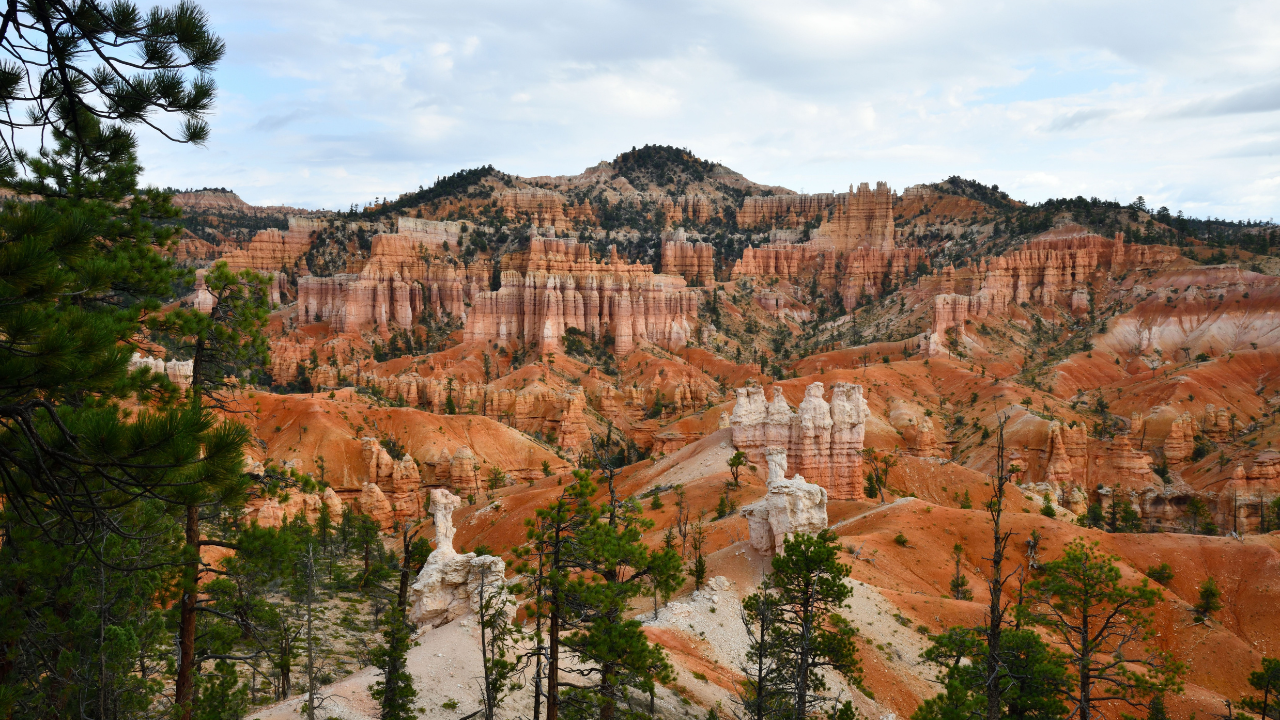
Fairyland Loop combines distance, elevation changes, and desert conditions into a demanding yet visually stunning hike. Covering around 8 miles, the trail winds through Bryce Canyon’s iconic hoodoos and amphitheaters. The lack of shade and constant elevation shifts make it more strenuous than it appears, especially in warmer months.

Best Season to Visit: Spring and fall

Ideal Visiting Hours: Early morning

Traveler Tip: Carry extra water due to dry conditions

Must-Know: Limited shade makes heat a serious factor

7. Hallett Peak, Rocky Mountain National Park
© Shutterstock / Kelly vanDellen

7. Hallett Peak, Rocky Mountain National Park

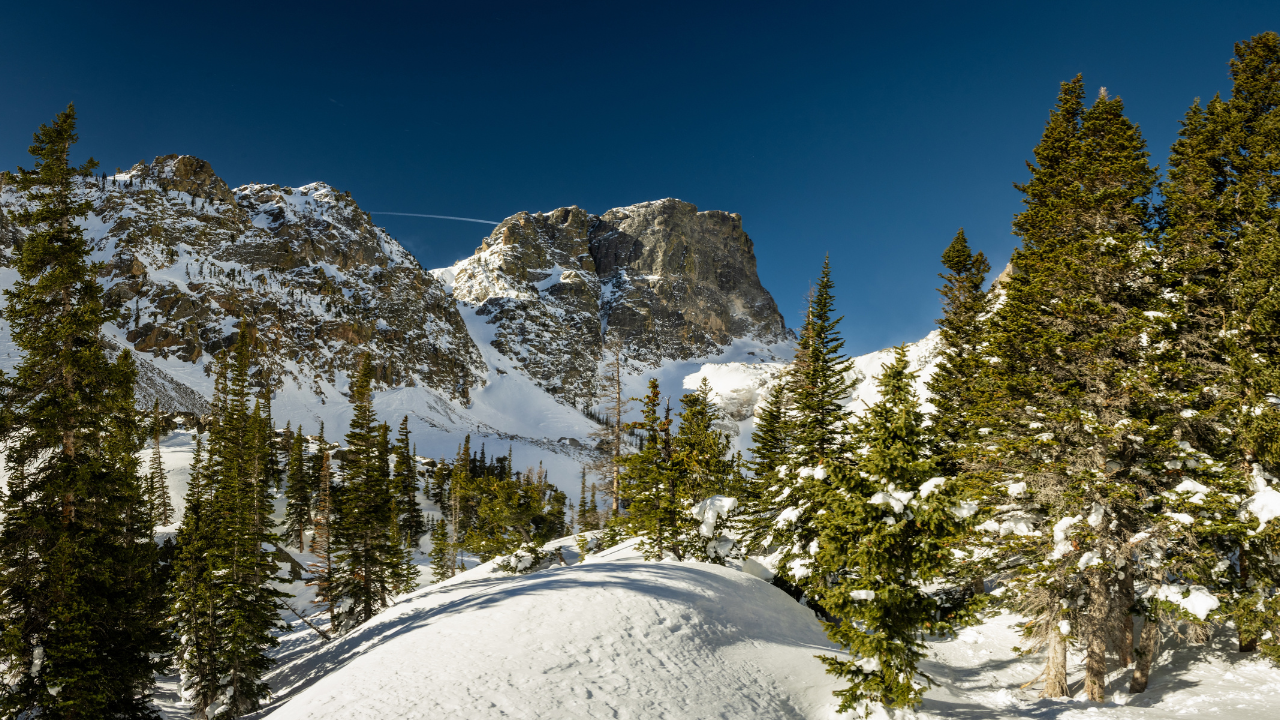
Hallett Peak offers a classic Colorado alpine challenge, with over 10 miles of hiking and more than 3,000 feet of elevation gain. The trail passes scenic lakes before climbing into exposed, rocky terrain. High altitude and unpredictable weather make this hike physically demanding, even for seasoned hikers.

Best Season to Visit: Summer

Ideal Visiting Hours: Early morning to avoid storms

Traveler Tip: Prepare for altitude sickness

Must-Know: Afternoon thunderstorms are common

8. High Peaks Trail, Pinnacles National Park
© Shutterstock / lzf

8. High Peaks Trail, Pinnacles National Park

High Peaks Trail features steep switchbacks, narrow paths, and rocky climbs that require both balance and stamina. The rugged terrain and exposure to sun make it a challenging hike, while sightings of California condors soaring overhead add to the experience. Trail combinations can increase both distance and difficulty.

Best Season to Visit: Spring

Ideal Visiting Hours: Morning to avoid heat

Traveler Tip: Wear gloves for gripping railings

Must-Know: Summer heat can be extreme

9. Nankoweap Trail, Grand Canyon National Park
© Shutterstock / vivooo

9. Nankoweap Trail, Grand Canyon National Park

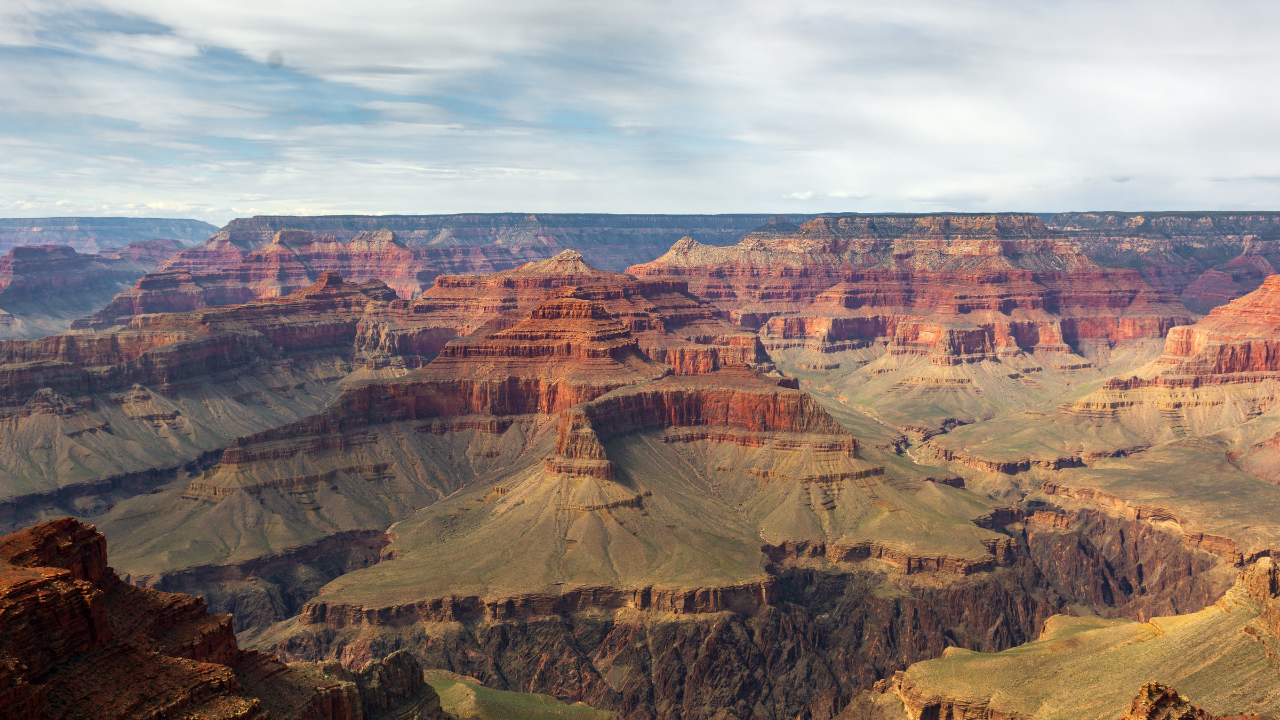
Nankoweap Trail is one of the most difficult and remote hikes in the Grand Canyon. Often taking multiple days, the trail involves steep descents, exposed sections, and almost no water sources. Extreme heat and isolation make it dangerous without proper planning, navigation skills, and backcountry experience.

Best Season to Visit: Spring or fall

Ideal Visiting Hours: Multi-day trek planning required

Traveler Tip: Carry sufficient water and navigation tools

Must-Know: Not recommended during summer months

10. Old Rag Mountain, Shenandoah National Park
© Shutterstock / Kelly vanDellen

10. Old Rag Mountain, Shenandoah National Park

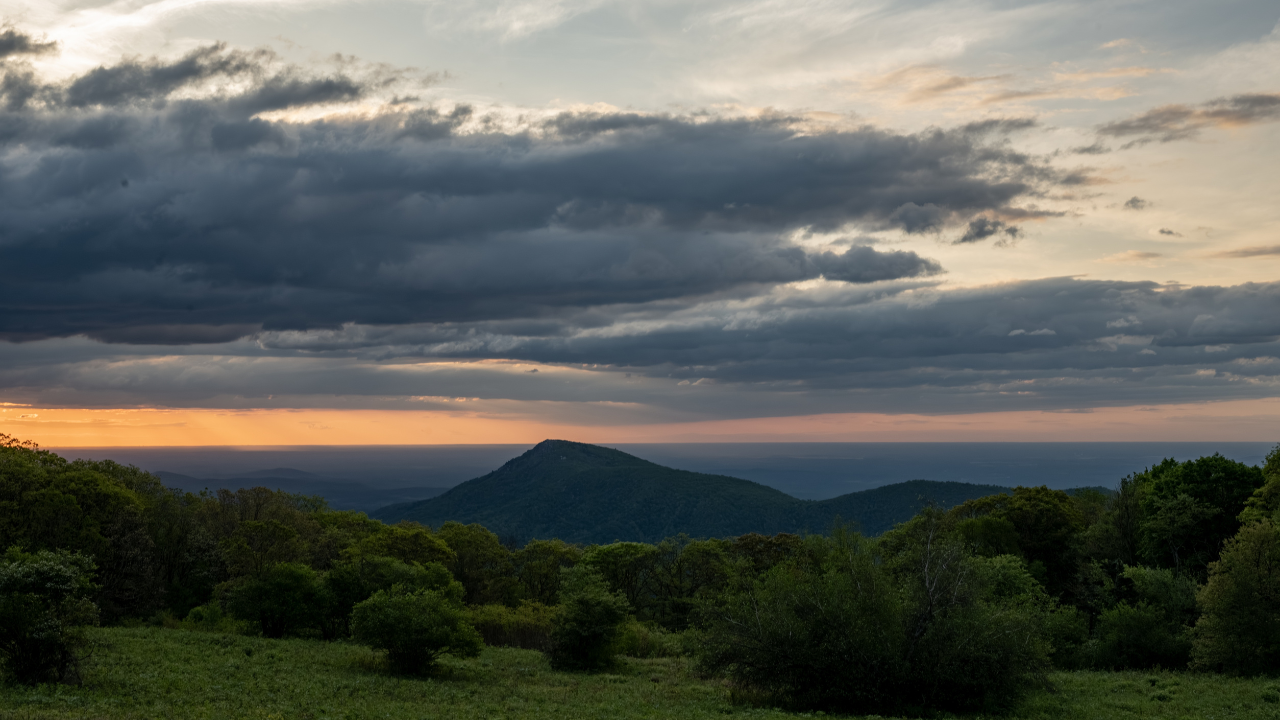
Old Rag Mountain is famous for its rock scramble section, where hikers must climb over and between large boulders. While not the longest trail, the technical climbing and physical effort required make it challenging. The summit views are spectacular, but the journey demands agility and stamina.

Best Season to Visit: Spring and fall

Ideal Visiting Hours: Early morning

Traveler Tip: Reserve permits during peak season

Must-Know: Rock scramble requires full-body effort

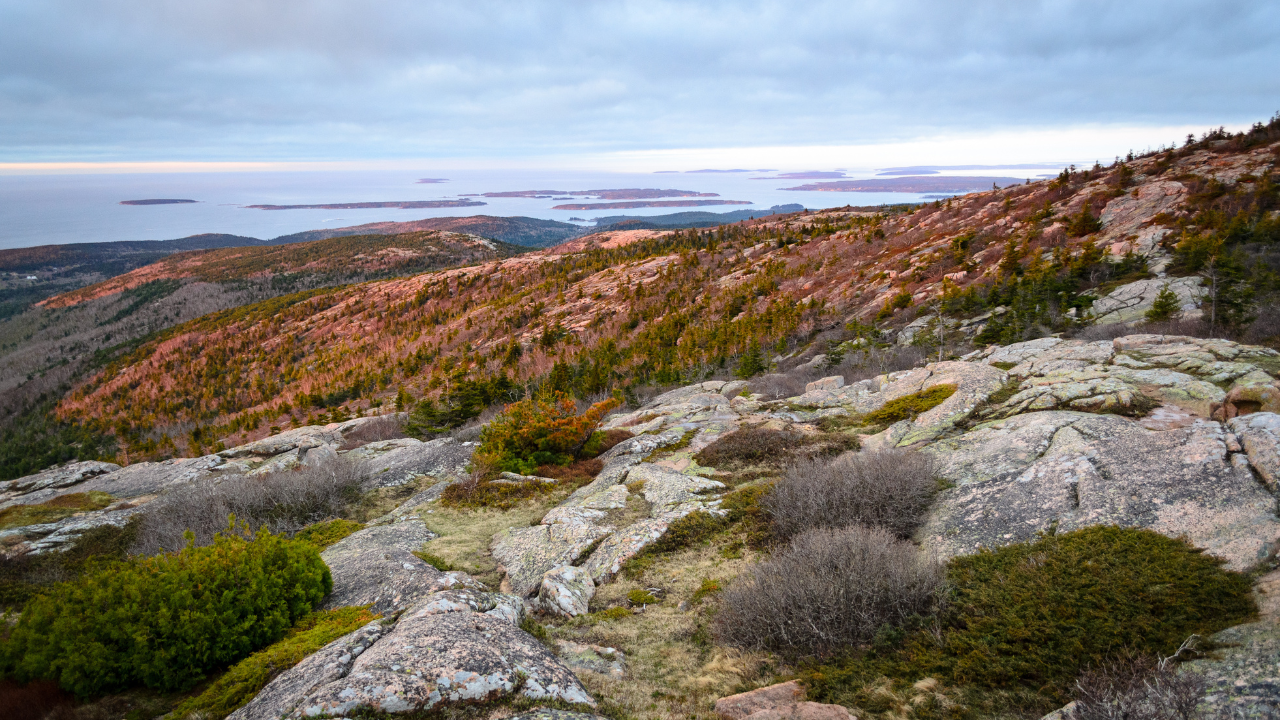
11. Precipice Trail, Acadia National Park
© Shutterstock / Zack Frank

11. Precipice Trail, Acadia National Park

Precipice Trail is a short but intense climb featuring iron rungs, ladders, and cliffside exposure. The trail ascends quickly, gaining over 1,000 feet in less than a mile. It’s a test of nerve as much as fitness, making it suitable only for experienced hikers comfortable with heights.

Best Season to Visit: Late spring to fall

Ideal Visiting Hours: Morning

Traveler Tip: Avoid in wet or windy conditions

Must-Know: Trail may close during falcon nesting season

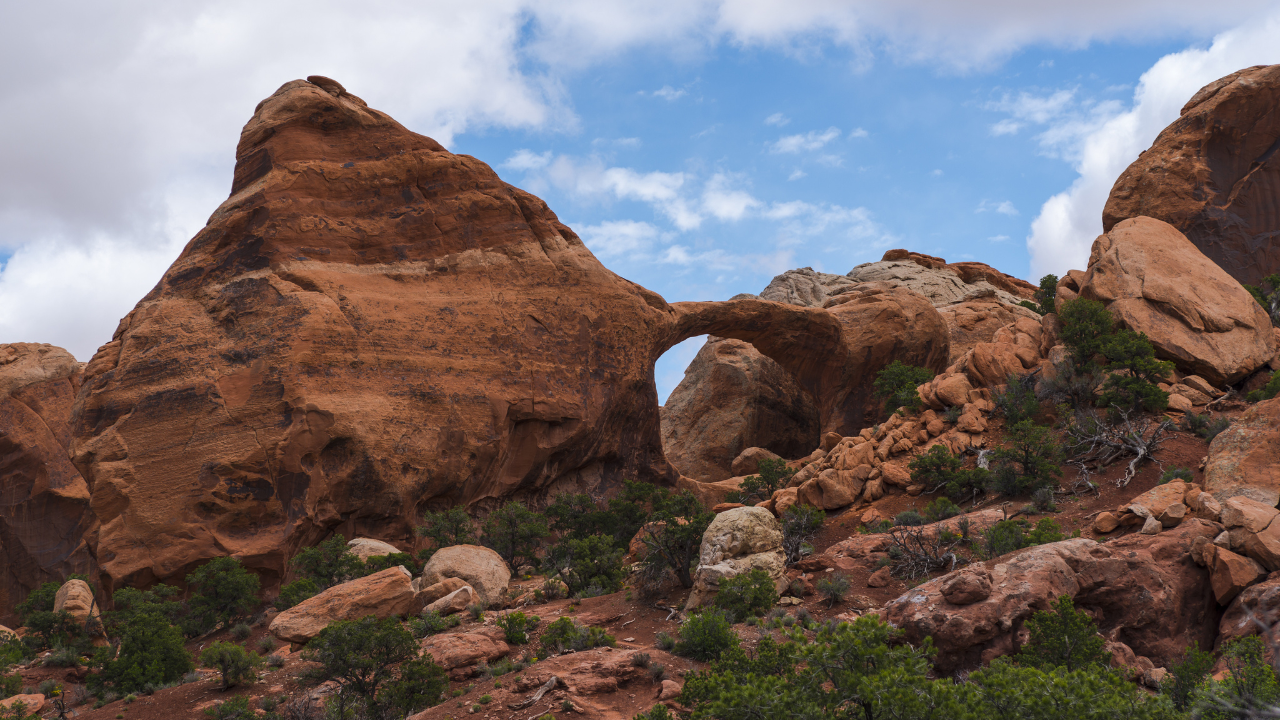
12. Primitive Trail, Arches National Park
© Shutterstock / Kris Wiktor

12. Primitive Trail, Arches National Park

Part of the Devils Garden area, the Primitive Trail requires route-finding skills and careful navigation across slickrock terrain. While not extremely long, the terrain can be confusing and physically demanding, especially under the desert sun.

Best Season to Visit: Spring and fall

Ideal Visiting Hours: Early morning or late afternoon

Traveler Tip: Carry navigation tools

Must-Know: Trail markings can be difficult to follow

13. Saddle Pass Trail, Badlands National Park
© Shutterstock / Kelly vanDellen

13. Saddle Pass Trail, Badlands National Park

Though short, Saddle Pass Trail is brutally steep and physically demanding. The loose terrain makes footing tricky, and the quick ascent can be exhausting. It’s a short but intense challenge that rewards hikers with sweeping views of the Badlands.

Best Season to Visit: Spring and fall

Ideal Visiting Hours: Morning

Traveler Tip: Wear shoes with strong grip

Must-Know: Loose ground increases difficulty

14. Sliding Sands Trail, Haleakalā National Park
© Shutterstock / Felix Mizioznikov

14. Sliding Sands Trail, Haleakalā National Park

Sliding Sands is a long and demanding hike into a volcanic crater, featuring dramatic landscapes and significant elevation changes. The descent into the crater is deceptively easy, but the climb back out is exhausting, especially at high altitude.

Best Season to Visit: Year-round (check weather)

Ideal Visiting Hours: Early morning

Traveler Tip: Pace yourself for the return climb

Must-Know: High elevation can cause fatigue quickly

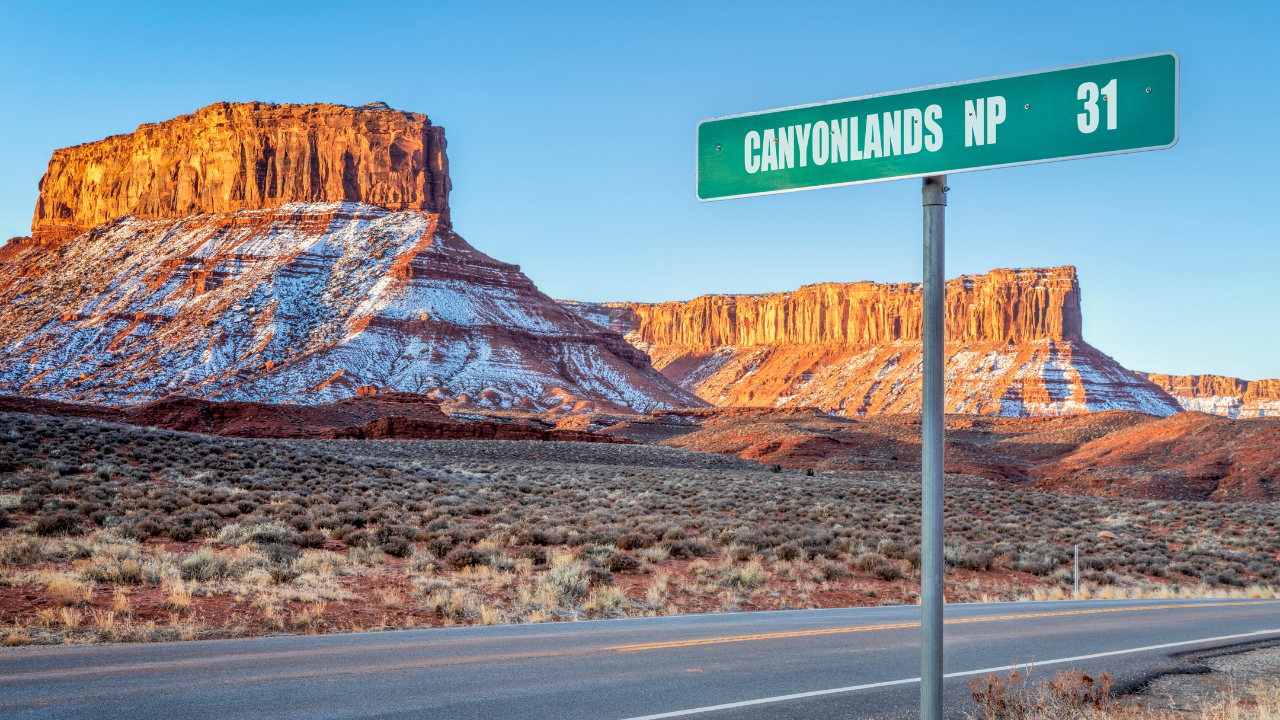
15. Syncline Loop, Canyonlands National Park
© Shutterstock / marekuliasz

15. Syncline Loop, Canyonlands National Park

Syncline Loop is a remote and rugged trail that challenges even experienced hikers with route-finding, uneven terrain, and isolation. The trail winds through dramatic desert landscapes shaped by the Colorado River, offering incredible views for those willing to take on the challenge.

Best Season to Visit: Spring and fall

Ideal Visiting Hours: Early morning

Traveler Tip: Bring GPS or map for navigation

Must-Know: Remote location requires full preparation

16. Triple Lakes Trail, Denali National Park & Preserve
© Shutterstock / ShapikMedia

16. Triple Lakes Trail, Denali National Park & Preserve

Triple Lakes Trail is one of the longest maintained trails in Denali, offering a deep dive into Alaska’s wilderness. The route spans forests, lakes, and rugged terrain, requiring endurance and self-sufficiency. Wildlife encounters and isolation make this trail both thrilling and demanding.

Best Season to Visit: Summer

Ideal Visiting Hours: Early start recommended

Traveler Tip: Be prepared for wildlife encounters

Must-Know: Remote conditions require advanced planning


Comments (0)

Leave a Reply

No comments yet. Be the first to share your thoughts!