Travel Family Travel

25 historic cities around the world known for culture and architecture

Stacy Mercer
4.1
May 20, 2026

Historic cities often leave a stronger impression than modern destinations. They carry layers of culture, architecture, and lived history that reward slow exploration. These 25 destinations are frequently praised by travelers for their timeless character and atmosphere.

1. Valencia, Spain
© Pixabay / papagnoc

1. Valencia, Spain

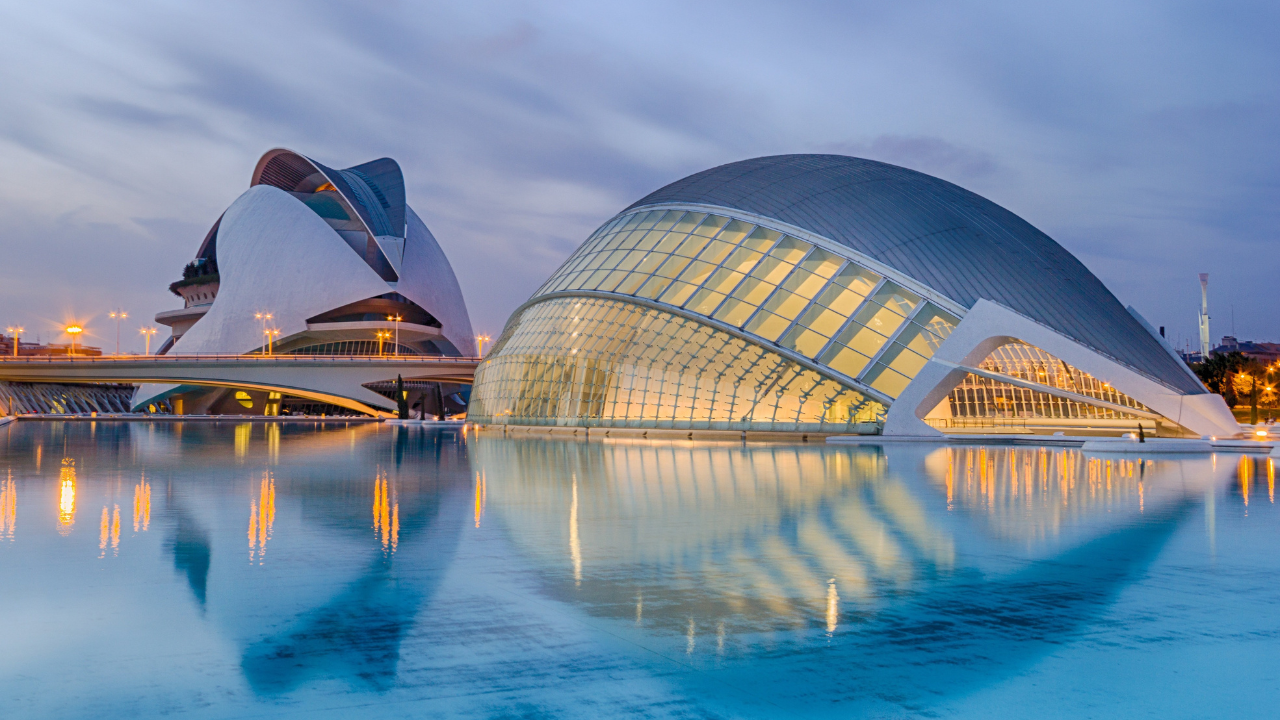
Valencia blends futuristic architecture with deep historical roots, creating a city that feels both modern and timeless. The old riverbed, now transformed into a vast green park system, runs through the city and connects cultural spaces, sports areas, and gardens. Its historic center offers traditional plazas, local food markets, and centuries-old architecture that contrasts beautifully with modern landmarks like the City of Arts and Sciences. Travelers also enjoy the coastal charm of its nearby beaches and the vibrant street art in the El Carmen neighborhood.

Best Season to Visit: Spring and early autumn

Ideal Visiting Hours: Morning walks through the old town or sunset in Turia Gardens

Traveler Tip: Rent a bike to explore the entire former riverbed park system

Must-Know: Valencia combines historic charm with one of Europe’s most futuristic urban designs

2. Cuenca, Spain
© Pixabay / fernandozhiminaicela

2. Cuenca, Spain

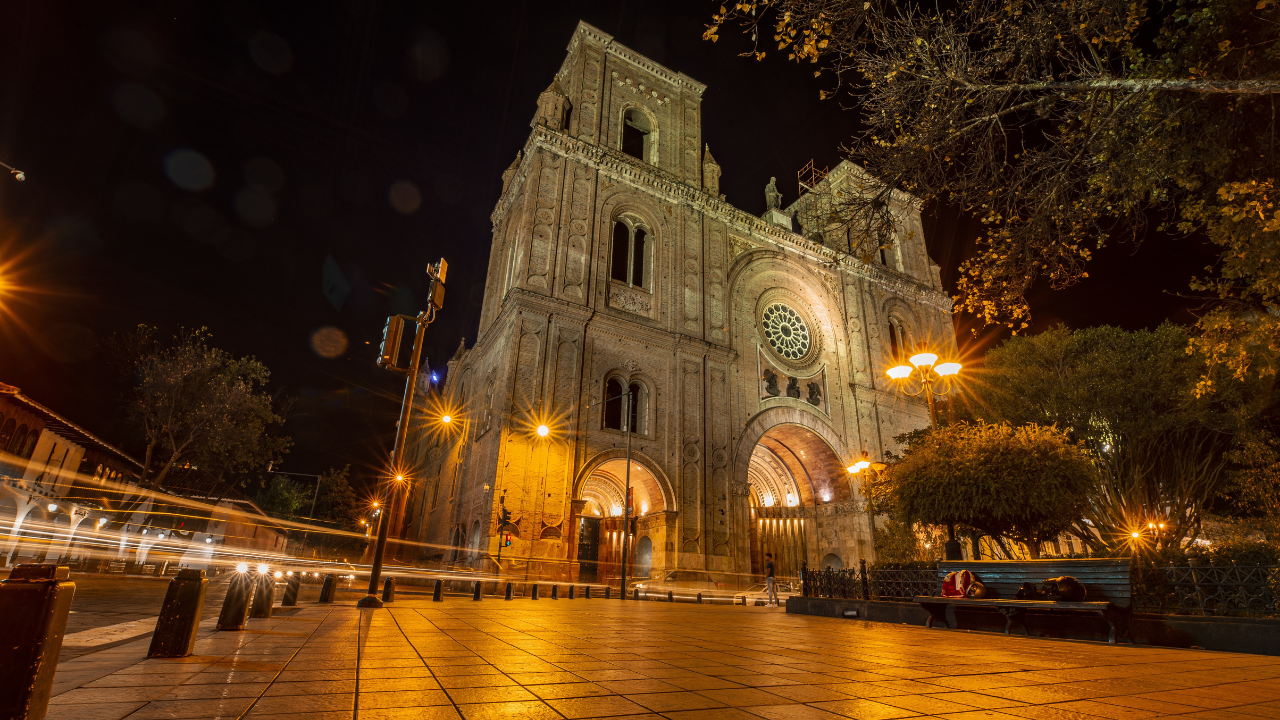
Cuenca is famous for its dramatic “hanging houses” perched over deep gorges. The city’s medieval layout, stone bridges, and cliffs create a striking visual experience. Its old town is a UNESCO World Heritage Site, filled with narrow streets, ancient churches, and viewpoints overlooking the canyon landscape below. The city also hosts an impressive abstract art museum and is surrounded by natural rock formations that offer unique hiking opportunities for those looking to explore the Spanish countryside.

Best Season to Visit: Late spring or early autumn

Ideal Visiting Hours: Late afternoon for canyon lighting effects

Traveler Tip: Stay overnight to see the city without day-trip crowds

Must-Know: Some historic homes are over 500 years old and still inhabited

3. Odesa, Ukraine
© Vecteezy / Ahsan Ashraf

3. Odesa, Ukraine

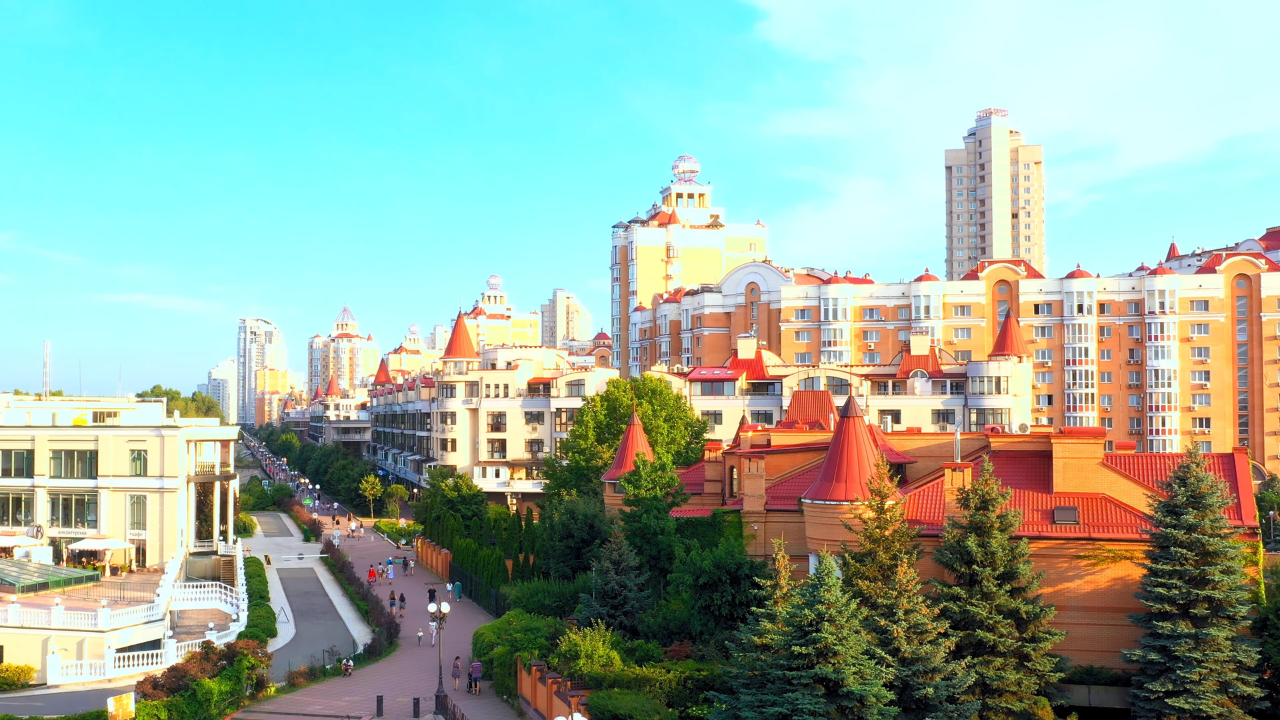
Odesa is a historic port city with grand 19th-century architecture influenced by European styles. Its boulevards, opera house, and seaside promenades give it a refined yet relaxed character. The city’s cultural identity blends maritime history with artistic influence, visible in its many museums and theaters. Visitors are often captivated by the underground catacombs that stretch for miles beneath the city streets and the bustling atmosphere of its local markets and beach clubs along the Black Sea coast.

Best Season to Visit: Late spring to summer

Ideal Visiting Hours: Evening walks along the Primorsky Boulevard

Traveler Tip: Explore hidden courtyards behind main streets

Must-Know: The Potemkin Stairs are one of its most iconic landmarks

4. Xi'an, China
© Vecteezy / Ai Beast

4. Xi'an, China

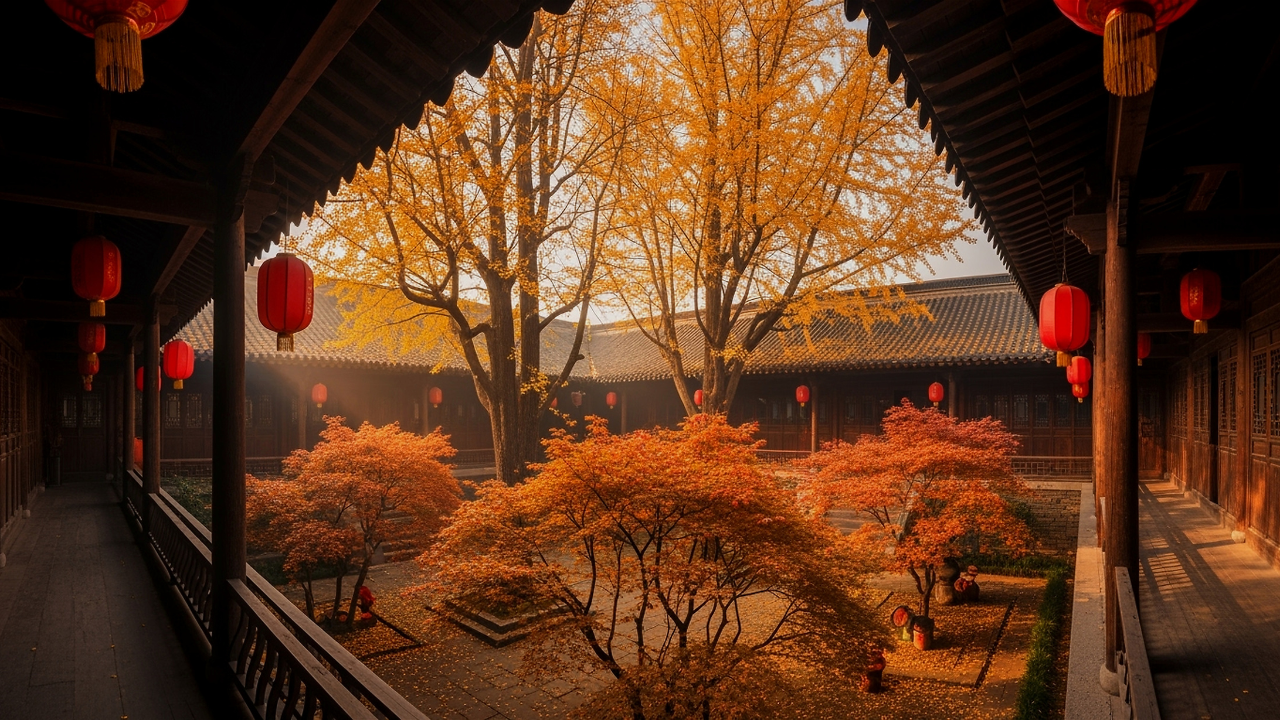
Xi’an is one of China’s oldest cities and a key point on the ancient Silk Road. It is home to the Terracotta Army and remnants of imperial dynasties. The city’s ancient walls still encircle the old district, offering a rare glimpse into preserved Chinese history. Beyond the warriors, the city is a culinary hub where travelers can experience the fusion of flavors in the vibrant Muslim Quarter, which features centuries-old mosques and a lively night market atmosphere unique to this historic crossroads.

Best Season to Visit: Spring or autumn

Ideal Visiting Hours: Early morning for city wall cycling

Traveler Tip: Visit the Muslim Quarter for local street food

Must-Know: The Terracotta Warriors are located just outside the city

5. Trier, Germany
© Pixabay / Dimhou

5. Trier, Germany

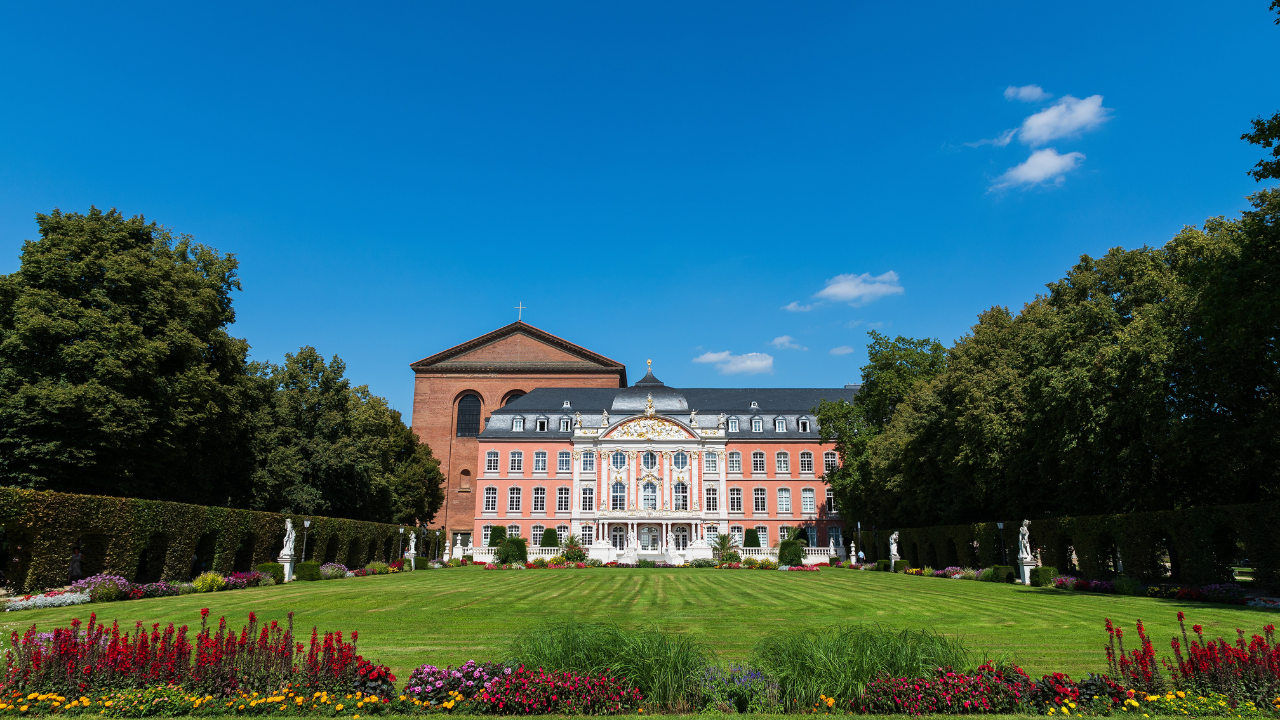
Trier is considered Germany’s oldest city, with strong Roman heritage visible throughout. Ancient gates, amphitheaters, and baths remain part of the urban landscape, blending seamlessly with modern streets and caf's. As the birthplace of Karl Marx, the city also offers significant political history alongside its ecclesiastical landmarks like the Trier Cathedral. The surrounding Moselle wine region adds a scenic backdrop, providing visitors with local vineyard tours and river cruises that highlight the region's ancient viticulture.

Best Season to Visit: Late spring

Ideal Visiting Hours: Morning for Roman ruins, evening riverside walks

Traveler Tip: Walk from Porta Nigra into the old town center

Must-Know: UNESCO-listed Roman monuments define the city

6. Udaipur, India
© Pixabay / utturag

6. Udaipur, India

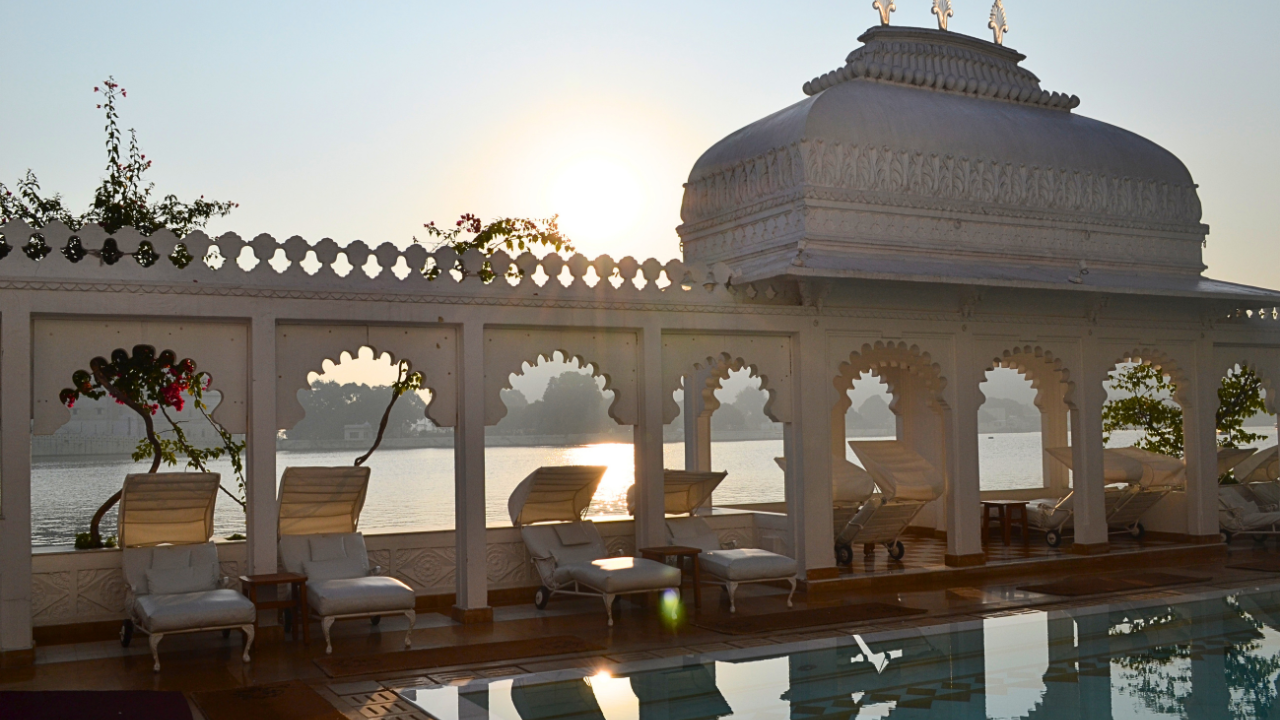
Udaipur is a city of lakes and palaces, offering a timeless royal atmosphere. The old city sits along Lake Pichola, with white marble palaces reflecting on the water. Narrow streets are filled with temples, markets, and traditional architecture. Often referred to as the Venice of the East, its romantic setting is enhanced by the Jagdish Temple and the massive City Palace complex, which showcases intricate peacock mosaics and glasswork that represent the zenith of Mewar craftsmanship and history.

Best Season to Visit: October to March

Ideal Visiting Hours: Sunset at Lake Pichola

Traveler Tip: Stay in a heritage guesthouse near the lake

Must-Know: Known as the “City of Lakes” and royal heritage capital

7. Bergamo, Italy
© Pexabay / LaTuaStoria

7. Bergamo, Italy

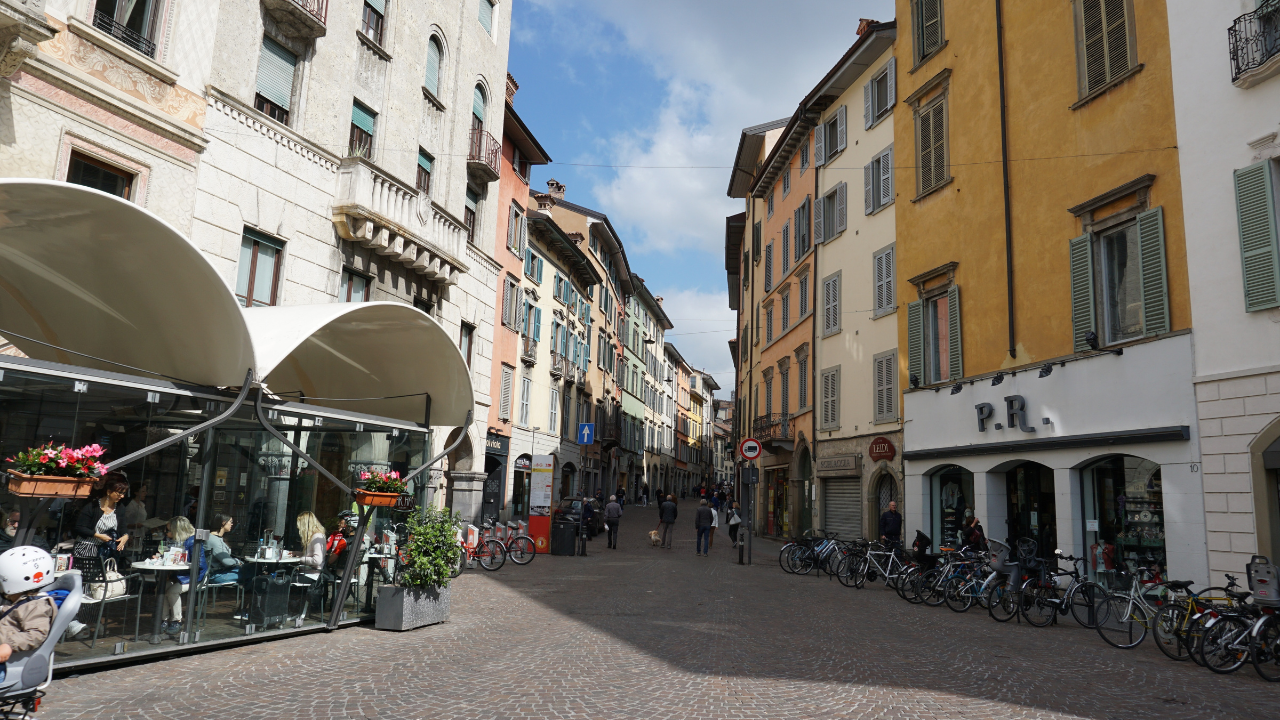
Bergamo’s upper town (Città Alta) is a medieval gem surrounded by Venetian walls. Cobblestone streets, historic churches, and quiet piazzas create a peaceful atmosphere above the modern lower city. The Piazza Vecchia serves as the heart of the old town, bordered by the civic tower and the beautiful Santa Maria Maggiore basilica. Travelers can also explore the local gastronomy, including the famous polenta e osei, while enjoying breathtaking views of the Lombardy plains from the city's high fortifications.

Best Season to Visit: Spring and early autumn

Ideal Visiting Hours: Late afternoon for sunset views

Traveler Tip: Use the funicular to reach the upper town

Must-Know: UNESCO-listed Venetian walls still fully intact

8. Boston, United States
© Pexabay / tball

8. Boston, United States

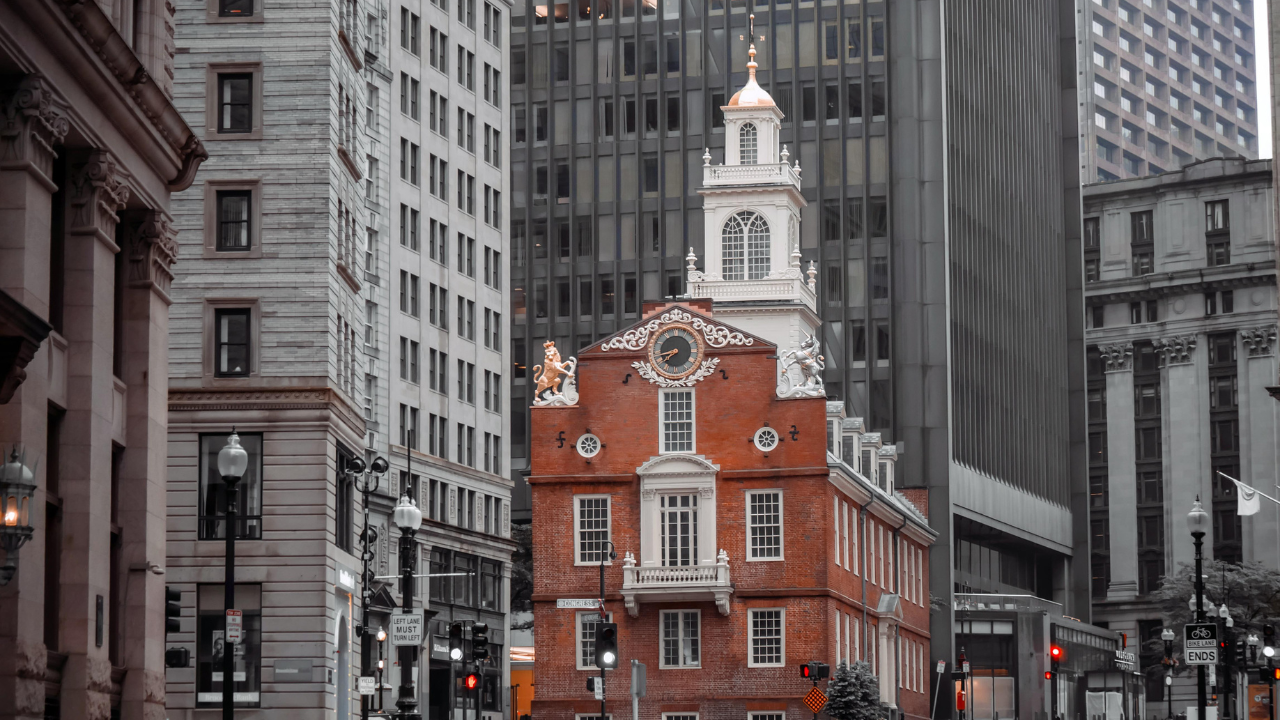
Boston is a living museum of American history. Its Freedom Trail connects revolutionary landmarks, while its neighborhoods preserve colonial and maritime heritage. From the red-brick sidewalks of Beacon Hill to the academic prestige of nearby Cambridge, the city offers a blend of intellectual energy and tradition. Visitors can enjoy the bustling Quincy Market, catch a game at the historic Fenway Park, or take a peaceful stroll through the Public Garden, which is home to the famous Swan Boats.

Best Season to Visit: Fall

Ideal Visiting Hours: Morning walks along the Freedom Trail

Traveler Tip: Visit historic cemeteries for hidden stories

Must-Know: One of the oldest cities in the United States

9. Cork, Ireland
© Pixabay / makyvontravel

9. Cork, Ireland

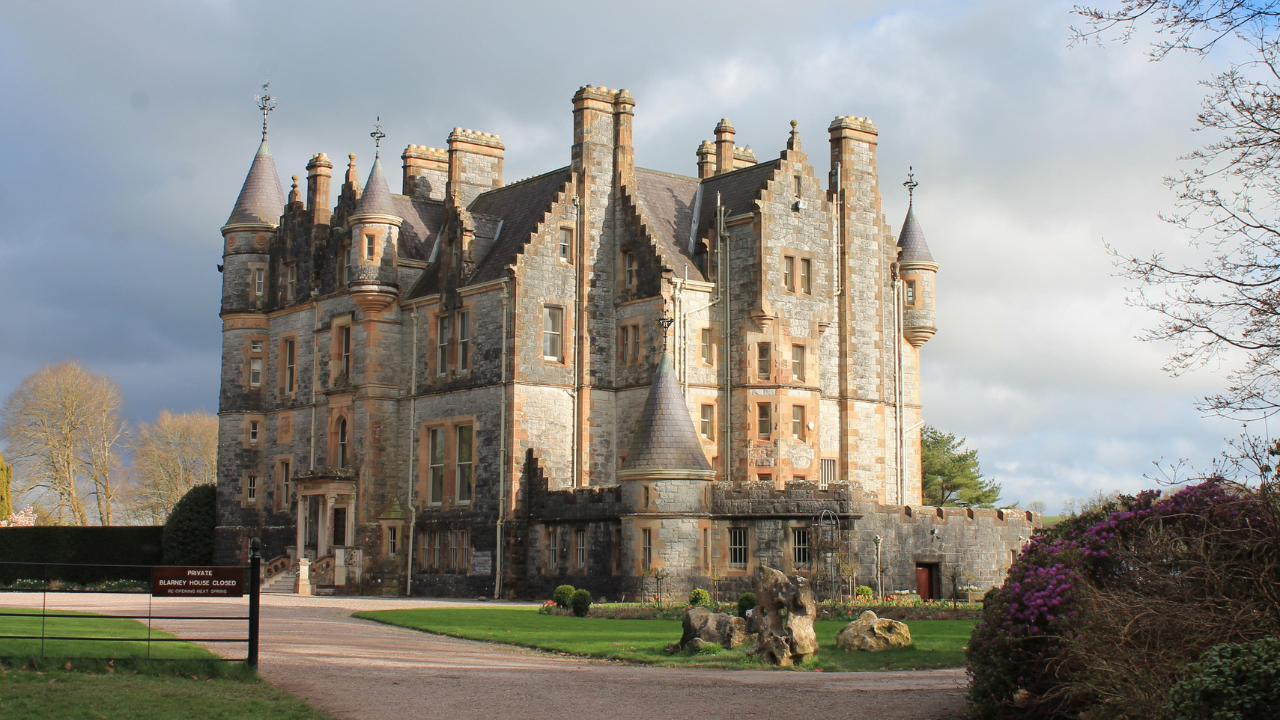
Cork blends Irish culture with maritime history. Its riverside location and lively markets give it a warm, local feel, distinct from larger Irish cities. The English Market is a centerpiece of its culinary scene, offering fresh local produce in a historic setting. Known as the "Rebel City," it boasts a rich history of independence, which visitors can explore through its local museums and the nearby Blarney Castle, where many travelers go to kiss the famous stone and enjoy the expansive gardens.

Best Season to Visit: Summer

Ideal Visiting Hours: Afternoon food market visits

Traveler Tip: Explore nearby coastal villages

Must-Know: Known for strong cultural identity and food scene

10. Dubrovnik, Croatia
© Pixabay / Meatle

10. Dubrovnik, Croatia

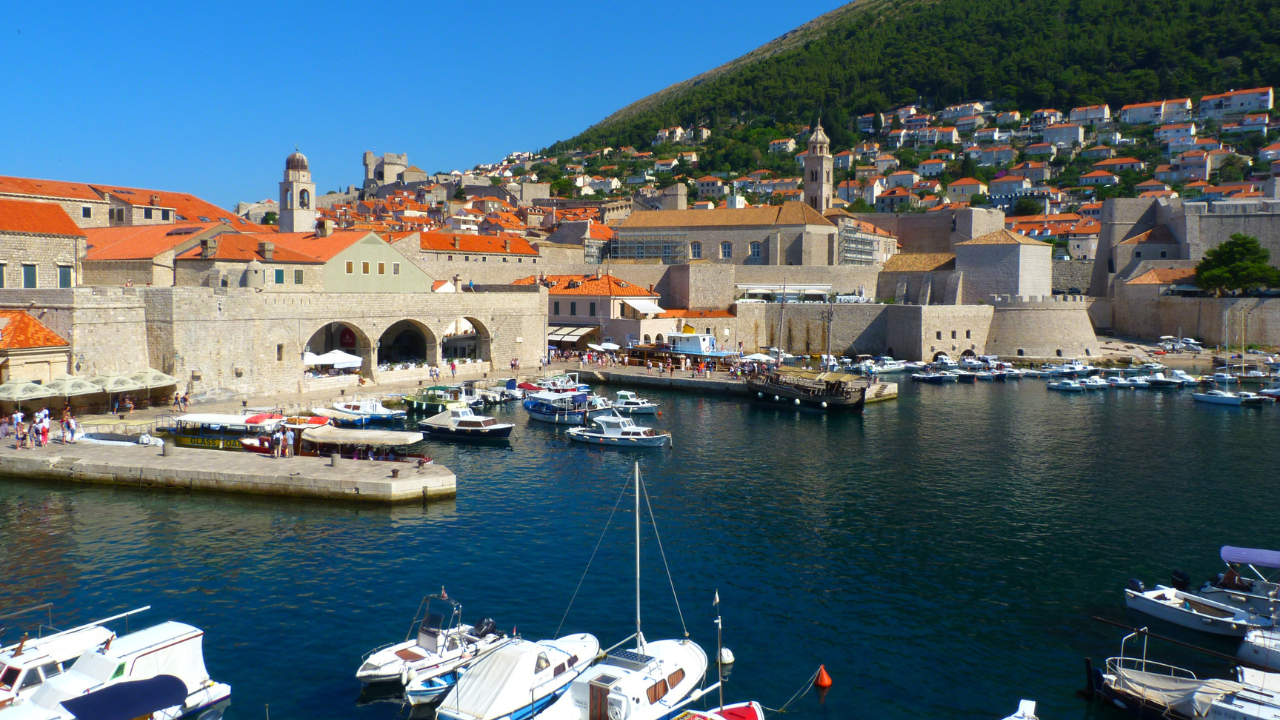
Dubrovnik’s fortified Old Town is surrounded by massive stone walls and overlooks the Adriatic Sea. Its medieval streets and limestone buildings are remarkably well preserved, offering a stunning backdrop for exploration. The main thoroughfare, Stradun, is lined with shops and caf's that come alive during the summer months. Beyond the walls, the nearby islands of Lokrum and the Elafiti archipelago provide tranquil escapes with crystal-clear waters and hidden coves, making it a perfect blend of history and coastal beauty.

Best Season to Visit: May or September

Ideal Visiting Hours: Early morning before cruise crowds

Traveler Tip: Walk the city walls for panoramic views

Must-Know: Entire Old Town is a UNESCO World Heritage Site

11. Matera, Italy
© Shutterstock / Sean Pavone

11. Matera, Italy

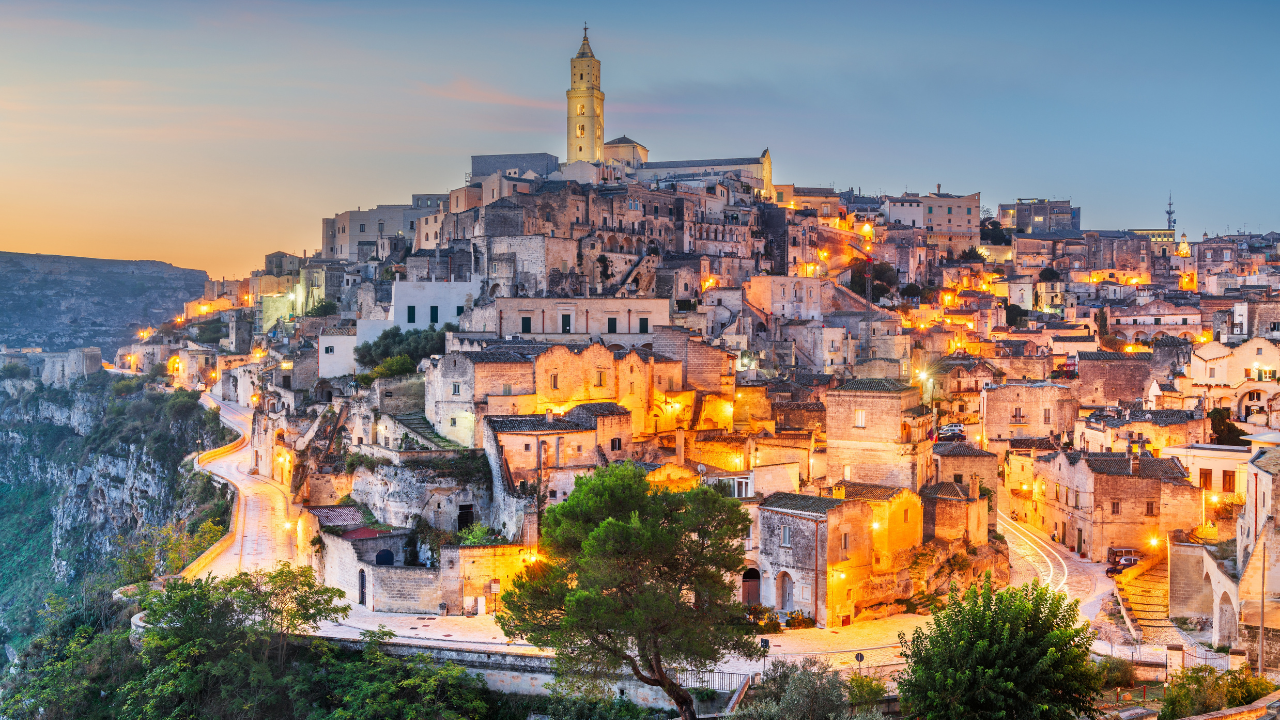
Matera is famous for its ancient cave dwellings carved into limestone cliffs. The “Sassi” districts create a surreal layered cityscape that has served as a filming location for numerous biblical epics. Once a symbol of poverty, these caves have been transformed into stylish hotels, restaurants, and galleries. The city’s history is further detailed in its rock-hewn churches, such as San Pietro Barisano, which feature ancient frescoes and offer a hauntingly beautiful glimpse into the lives of the early inhabitants of Basilicata.

Best Season to Visit: Spring or autumn

Ideal Visiting Hours: Evening when caves are illuminated

Traveler Tip: Stay inside a cave hotel

Must-Know: One of the oldest continuously inhabited cities

12. Bukhara, Uzbekistan
© Shutterstock / saiko3p

12. Bukhara, Uzbekistan

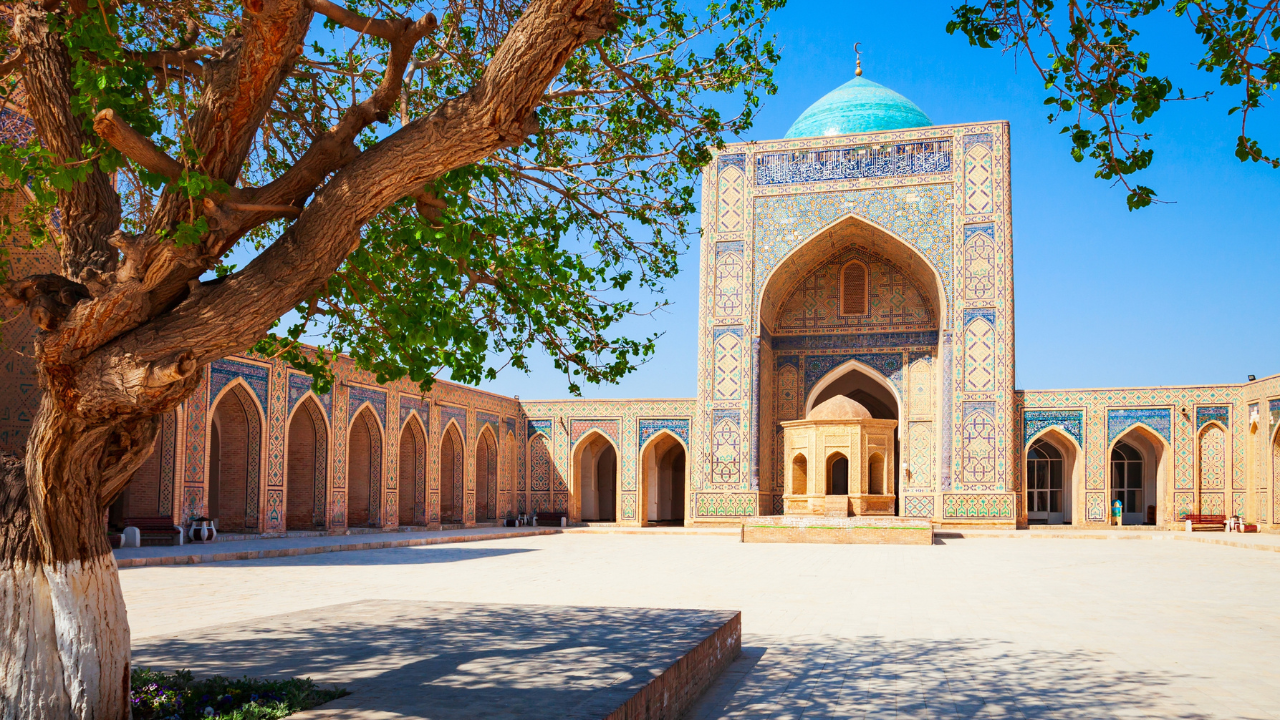
Bukhara is a Silk Road city filled with Islamic architecture, ancient minarets, and preserved old town structures. The Kalon Minaret stands as a towering landmark of the city's religious importance, having survived Genghis Khan's conquest. Its bustling trading domes still house artisans selling traditional carpets, silks, and spices, echoing the commerce of the past. Visitors can also find serenity at the Lyabi-Hauz pond, surrounded by centuries-old mulberry trees and madrasahs that continue to serve as cultural hubs.

Best Season to Visit: Spring and autumn

Ideal Visiting Hours: Sunset at historic plazas

Traveler Tip: Explore caravanserai ruins

Must-Know: Over 2,000 years of continuous urban history

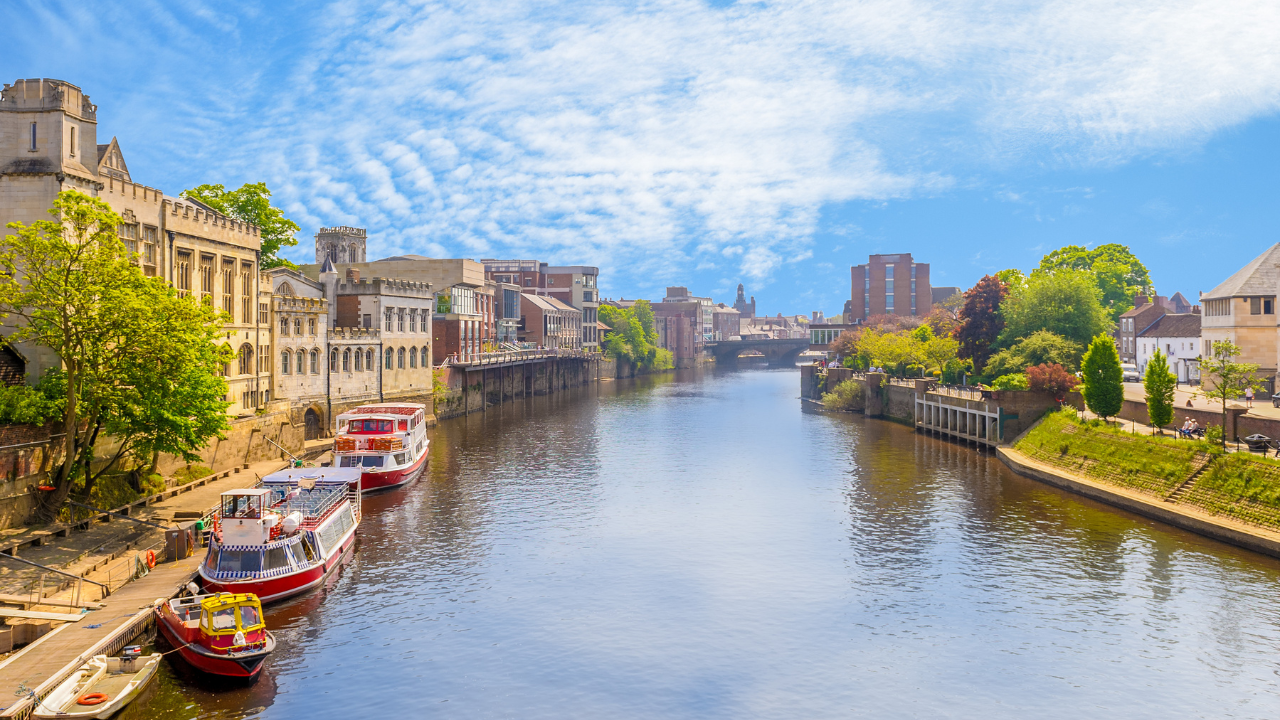
13. York, England
© Shutterstock / Richie Chan

13. York, England

York is a medieval walled city known for its cathedral and narrow historic streets. York Minster, one of the largest of its kind in Northern Europe, dominates the skyline with its intricate stained glass and Gothic towers. The city's Viking past is celebrated at the Jorvik Viking Centre, while its Roman foundations can still be seen in the layout of the city walls. Travelers often spend hours wandering through the timber-framed buildings of the Shambles, which is considered one of the best-preserved medieval streets in the world.

Best Season to Visit: Summer

Ideal Visiting Hours: Morning walks on city walls

Traveler Tip: Explore The Shambles early before crowds

Must-Know: One of Europe’s best-preserved medieval cities

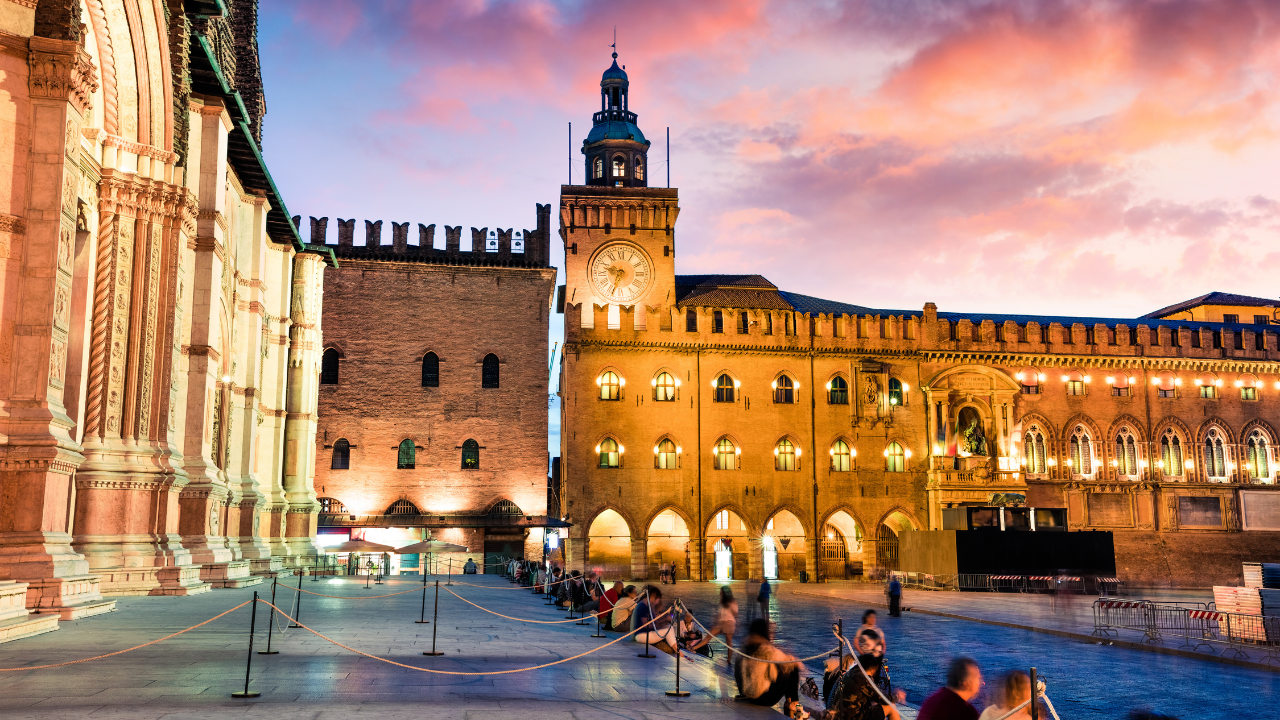
14. Bologna, Italy
© Shutterstock / Andrew Mayovskyy

14. Bologna, Italy

Bologna is a historic university city with arcaded streets and rich medieval heritage. Known as "La Grassa" for its incredible food culture, it is the birthplace of tortellini and bolognese sauce. The city is famous for its nearly 40 kilometers of porticoes, which protect walkers from the elements and are a UNESCO site in their own right. Climbing the Asinelli Tower provides a panoramic view of the red-tiled roofs, while the Basilica of San Petronio stands as a testament to the city's architectural ambition and civic pride.

Best Season to Visit: Spring

Ideal Visiting Hours: Evening food walks

Traveler Tip: Try local pasta specialties

Must-Know: Home to Europe’s oldest university

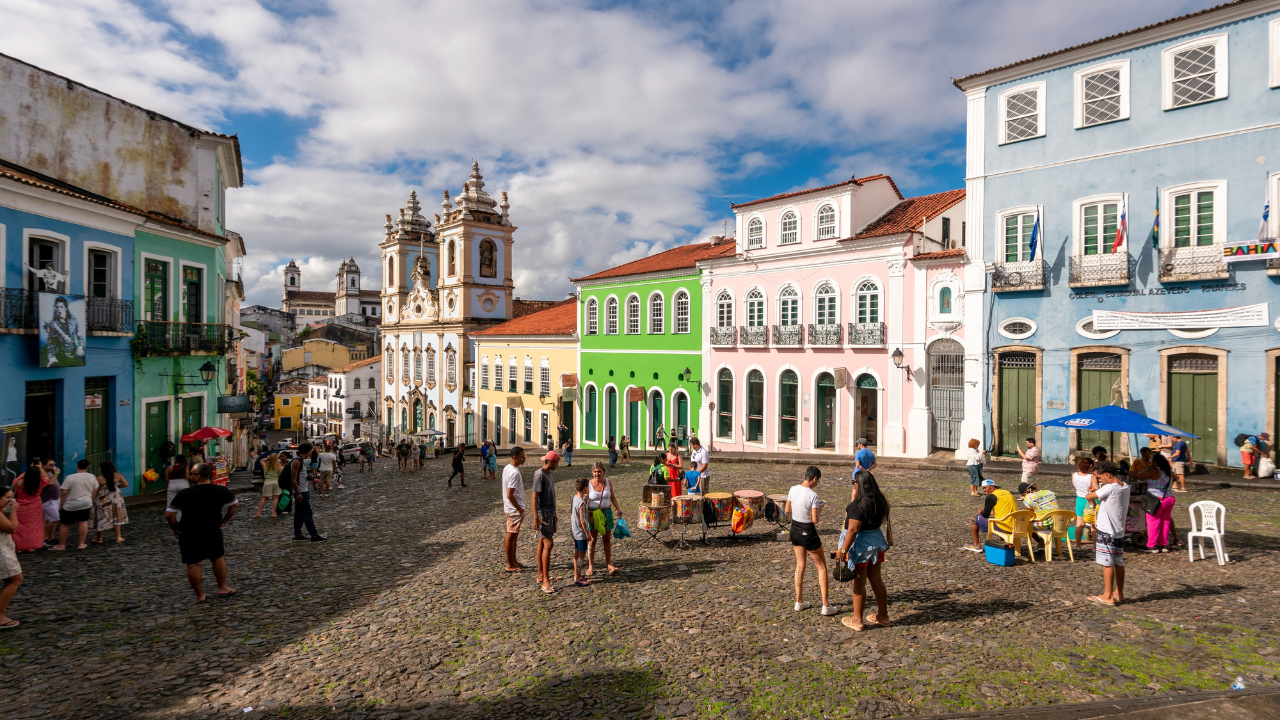
15. Salvador, Brazil
© Shutterstock / Donatas Dabravolskas

15. Salvador, Brazil

Salvador is a vibrant colonial city with Afro-Brazilian cultural influence and colorful architecture. The Pelourinho district is a feast for the senses, with its pastel-colored buildings and the rhythmic sounds of Olodum drummers echoing through the squares. As the first capital of Brazil, it maintains deep roots in religious traditions and martial arts like Capoeira. The city is also famous for its golden-sand beaches and the Lacerda Elevator, which connects the historic upper city with the bustling lower commercial district and harbor.

Best Season to Visit: February to May

Ideal Visiting Hours: Evening cultural performances

Traveler Tip: Explore Pelourinho district on foot

Must-Know: UNESCO-listed historic center

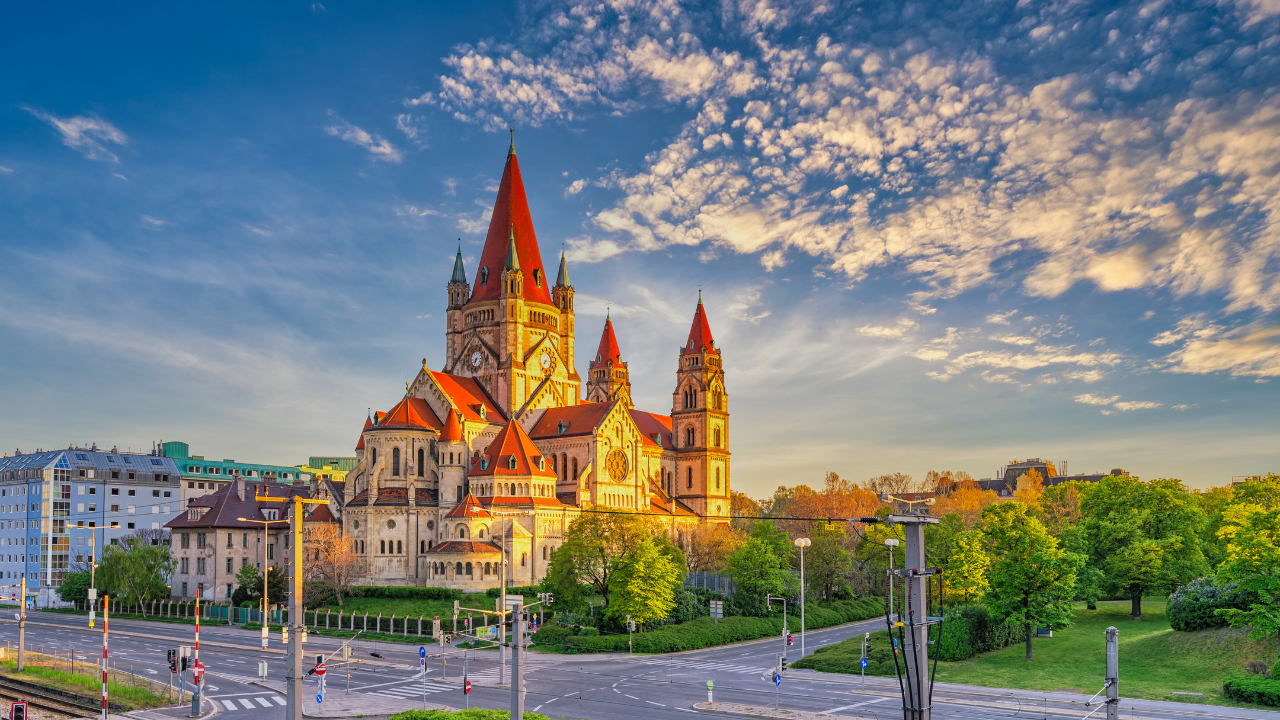
16. Vienna, Austria
© Shutterstock / Noppasin Wongchum

16. Vienna, Austria

Vienna is an imperial city where grand palaces, classical music heritage, and elegant caf's define the atmosphere. The historic center reflects centuries of Habsburg influence, with architecture that feels carefully preserved and refined. Famous for the Belvedere and Schönbrunn palaces, the city invites visitors to walk in the footsteps of Mozart and Beethoven. Beyond its history, Vienna is celebrated for its modern art scene and the Prater amusement park, home to the iconic Giant Ferris Wheel that offers views of the Danube River.

Best Season to Visit: Spring or Christmas season

Ideal Visiting Hours: Morning museum visits, evening opera or café culture

Traveler Tip: Spend time in traditional coffee houses, not just landmarks

Must-Know: UNESCO-listed historic center with deep imperial history

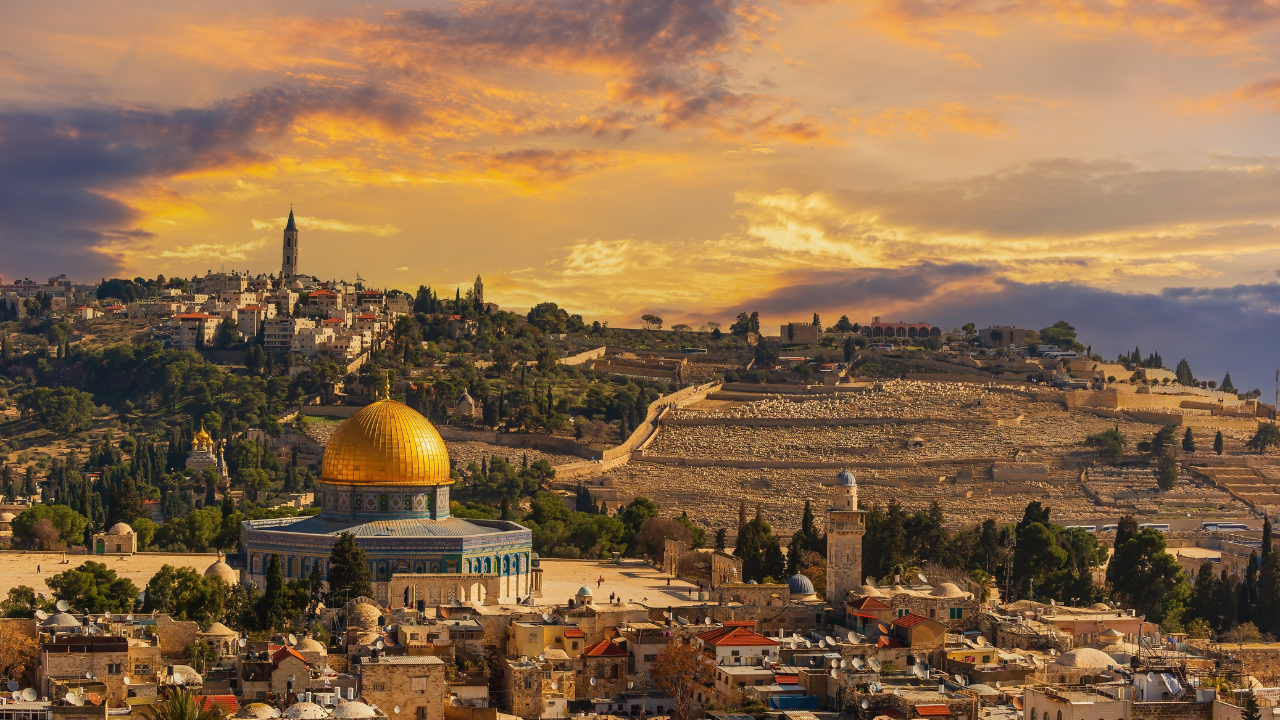
17. Jerusalem, Israel
© Shutterstock / Framalicious

17. Jerusalem, Israel

Jerusalem is one of the world’s oldest continuously inhabited cities, with layered religious and historical significance. The Old City contains sacred sites and ancient streets that reflect thousands of years of history across its four distinct quarters. From the Western Wall to the Church of the Holy Sepulchre and the Dome of the Rock, the spiritual energy is palpable. Outside the ancient walls, the city transitions into a modern metropolis with bustling markets like Mahane Yehuda, where the scents of spices and fresh produce create a vibrant contemporary Israeli experience.

Best Season to Visit: Spring or autumn

Ideal Visiting Hours: Early morning in Old City quarters

Traveler Tip: Explore each quarter separately for better context

Must-Know: Sacred to three major world religions

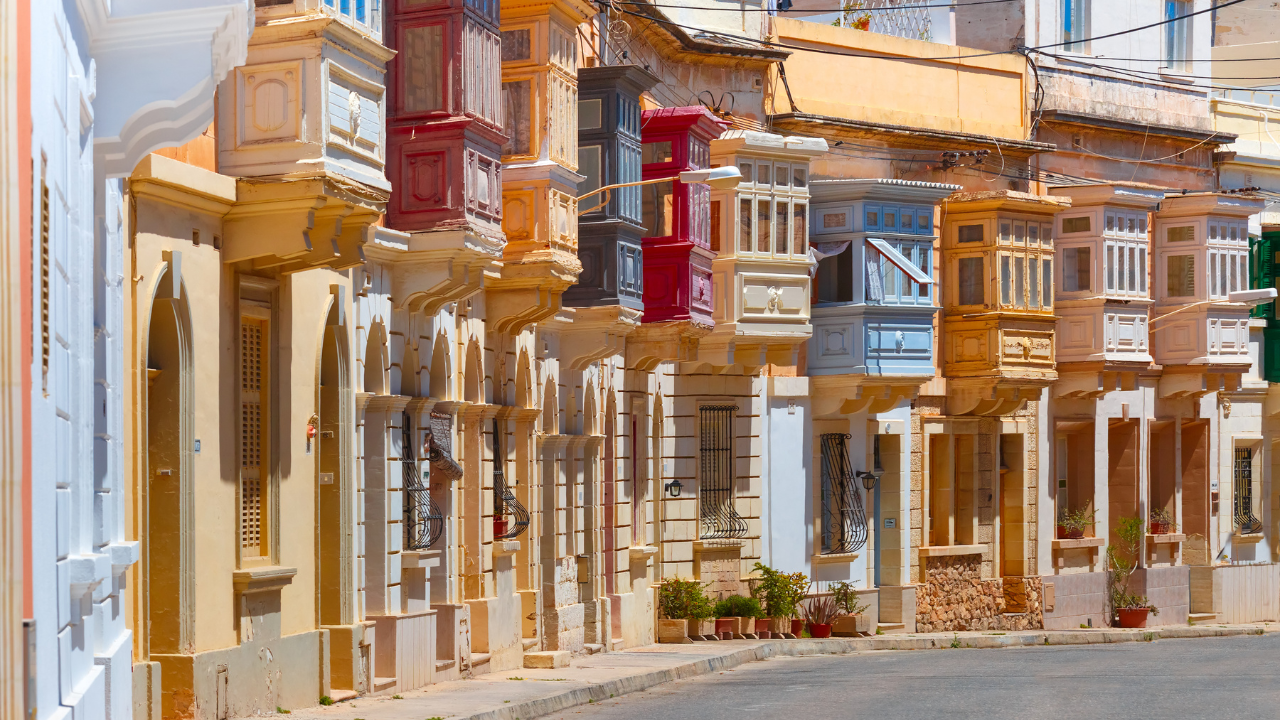
18. Valletta, Malta
© Shutterstock / kavalenkava

18. Valletta, Malta

Valletta is a fortified coastal capital built by the Knights of St. John. Its compact layout is filled with baroque architecture, stone streets, and panoramic harbor views that speak to its military history. The city is home to St. John's Co-Cathedral, which houses Caravaggio's masterpiece, "The Beheading of Saint John the Baptist." Visitors can enjoy the Upper Barrakka Gardens for a midday salute from the cannons or explore the many boutique shops and wine bars that have revitalized the city's steep, narrow side streets in recent years.

Best Season to Visit: Spring or early summer

Ideal Visiting Hours: Late afternoon for golden harbor views

Traveler Tip: Walk the entire city in a single day

Must-Know: Entire city is a UNESCO World Heritage Site

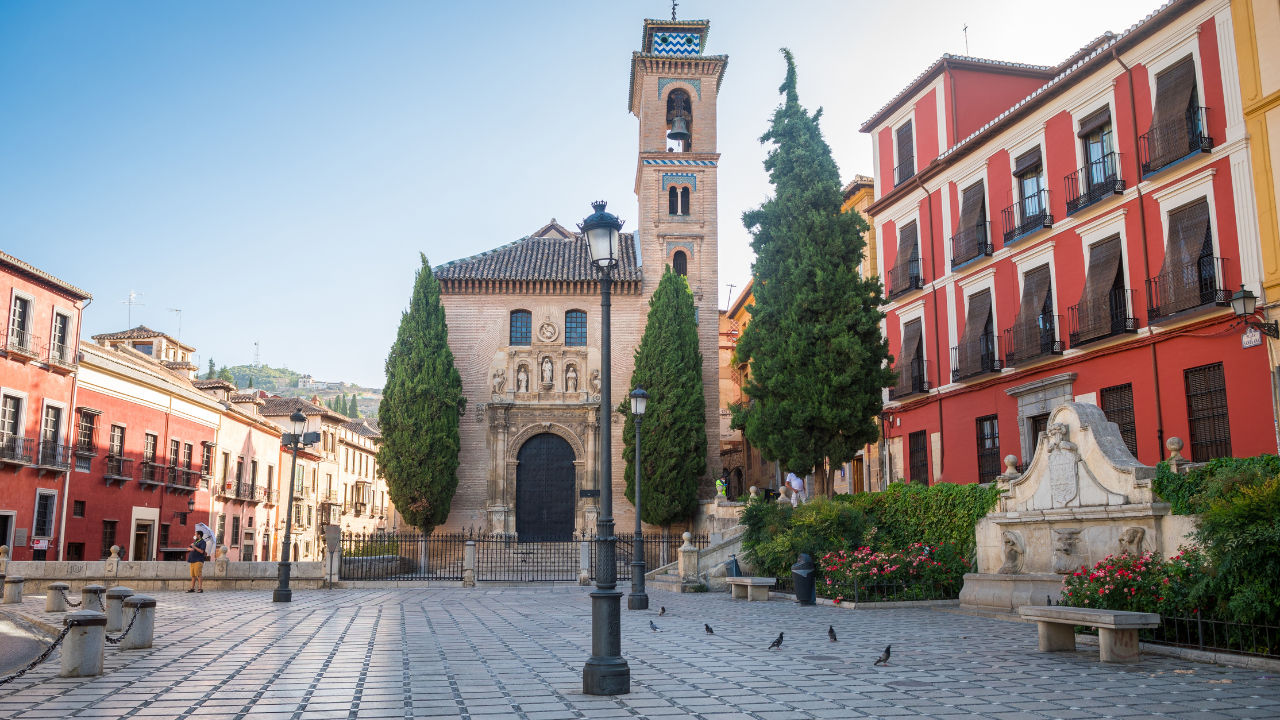
19. Granada, Spain
© Shutterstock / Jon Chica

19. Granada, Spain

Granada is best known for the Alhambra, a masterpiece of Moorish architecture overlooking the city. Its streets blend Islamic, Jewish, and Christian influences, most notably in the Albaicín district with its white-washed houses and jasmine-scented gardens. The city sits at the foot of the Sierra Nevada mountains, providing a dramatic backdrop for the Generalife gardens. Granada is also famous for its traditional tapas culture, where small plates are often served free with drinks, allowing travelers to sample a wide variety of local Andalusian flavors.

Best Season to Visit: Spring

Ideal Visiting Hours: Sunset at Alhambra viewpoints

Traveler Tip: Book Alhambra tickets well in advance

Must-Know: One of Spain’s most culturally layered cities

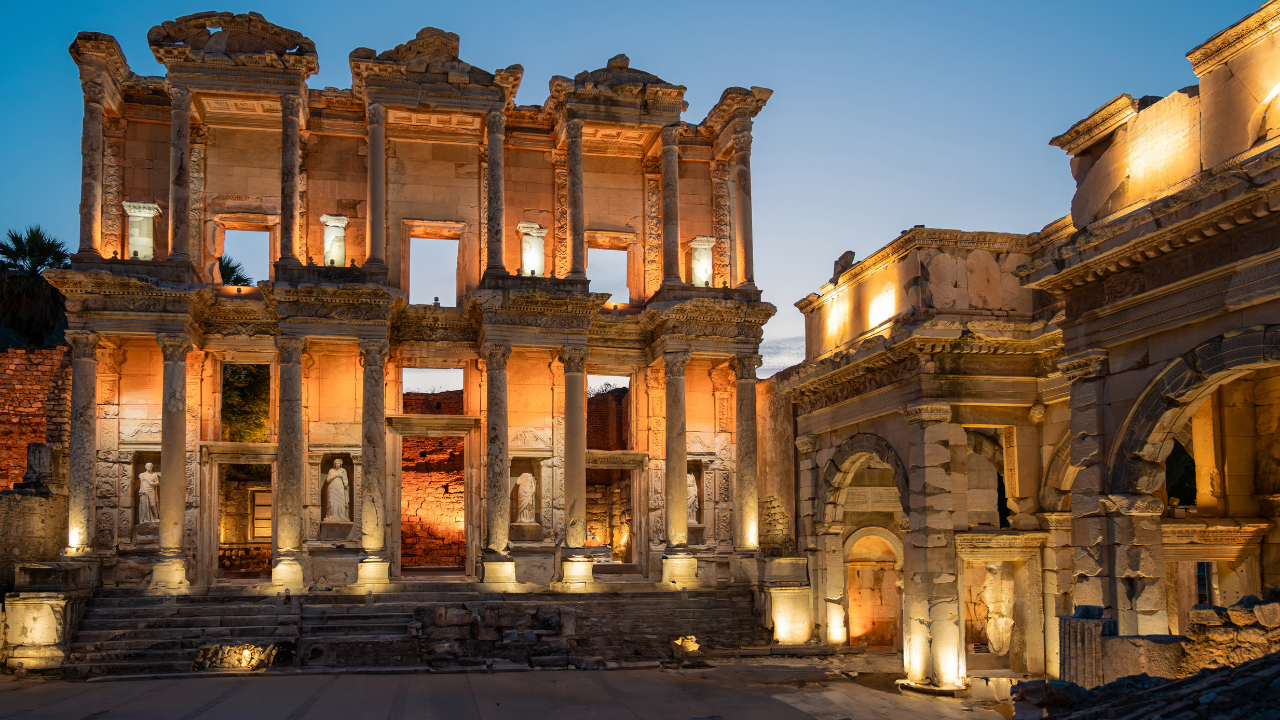
20. Ephesus, Turkey
© Shutterstock / Yalcin Sonat

20. Ephesus, Turkey

Ephesus is an ancient Roman city featuring remarkably preserved ruins, including theaters, temples, and marble streets. The Library of Celsus stands as one of the most beautiful reconstructed facades in the world, once holding thousands of scrolls. Visitors can walk through the Great Theatre, where Saint Paul once preached, and explore the Terrace Houses to see intricate mosaics that offer insight into the lives of the wealthy residents. The nearby Temple of Artemis, once one of the Seven Wonders of the Ancient World, adds to the region's immense archeological value.

Best Season to Visit: Spring or autumn

Ideal Visiting Hours: Early morning before heat builds

Traveler Tip: Hire a guide to understand the ruins properly

Must-Know: One of the best-preserved classical cities in the world

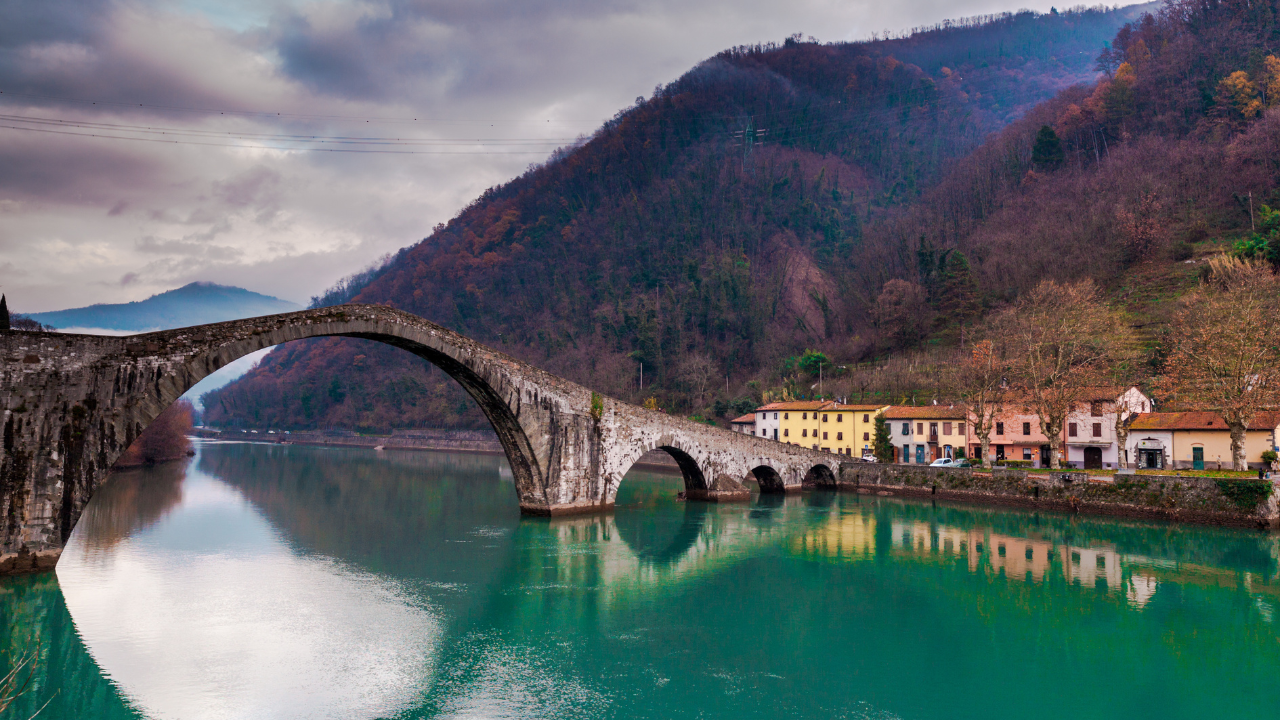
21. Lucca, Italy
© Shutterstock / Mirko Macari

21. Lucca, Italy

Lucca is a quiet Tuscan city surrounded by intact Renaissance walls. Its historic center is peaceful, walkable, and full of medieval charm, characterized by its many towers and churches. The Piazza dell'Anfiteatro, built on the ruins of a Roman amphitheater, provides a unique oval-shaped square filled with outdoor dining. Lucca is also the birthplace of composer Giacomo Puccini, and the city hosts regular opera performances in his honor. Its wide, tree-lined ramparts are now a popular park where locals and tourists alike enjoy strolls and bike rides.

Best Season to Visit: Late spring

Ideal Visiting Hours: Cycling the city walls at sunset

Traveler Tip: Rent a bike instead of walking

Must-Know: Entire old town is encircled by historic ramparts

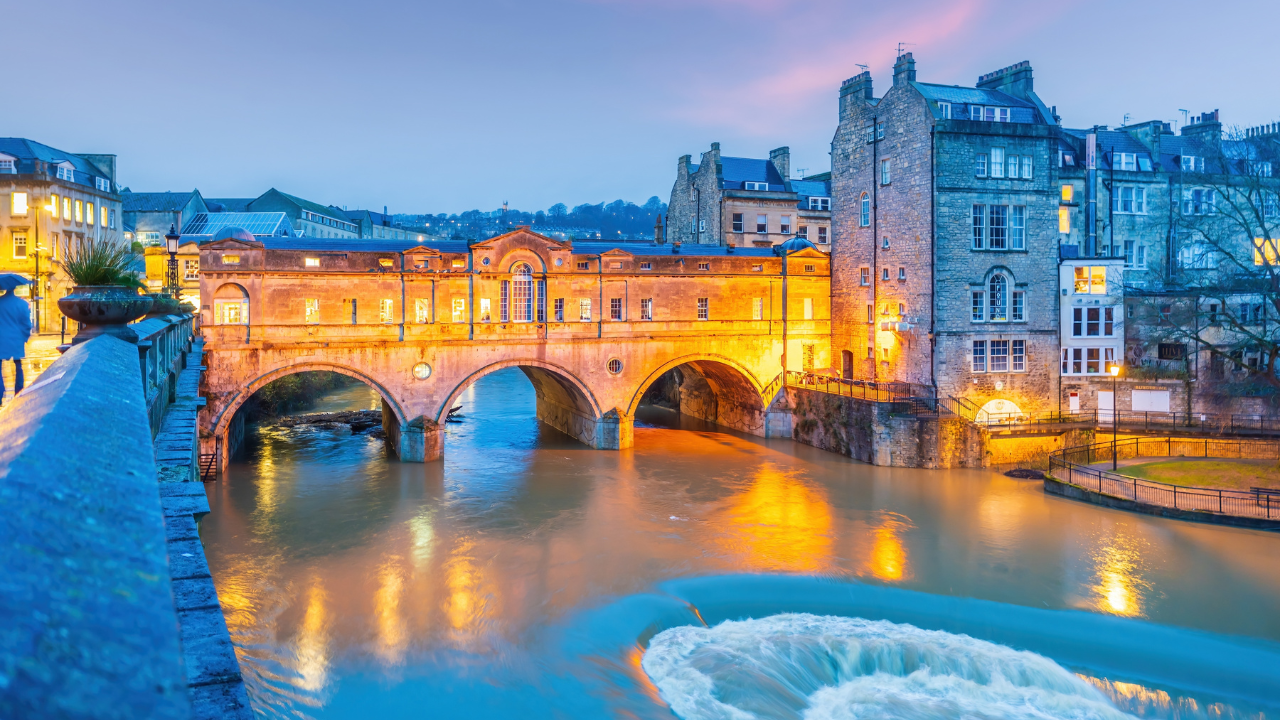
22. Bath, England
© Shutterstock / f11photo

22. Bath, England

Bath is famous for its Roman baths and Georgian architecture, creating a unique blend of ancient and elegant design. The city's golden Bath Stone gives the Royal Crescent and the Circus a distinctive glow, especially at sunset. Visitors can still see the steam rising from the ancient thermal springs at the Roman Baths Museum, though modern spa experiences are available nearby. The Pulteney Bridge, lined with shops on both sides, is another architectural highlight, crossing the River Avon and leading into the city's lush botanical gardens and parks.

Best Season to Visit: Spring or autumn

Ideal Visiting Hours: Morning at Roman Baths

Traveler Tip: Explore nearby countryside villages

Must-Know: UNESCO-listed city with Roman origins

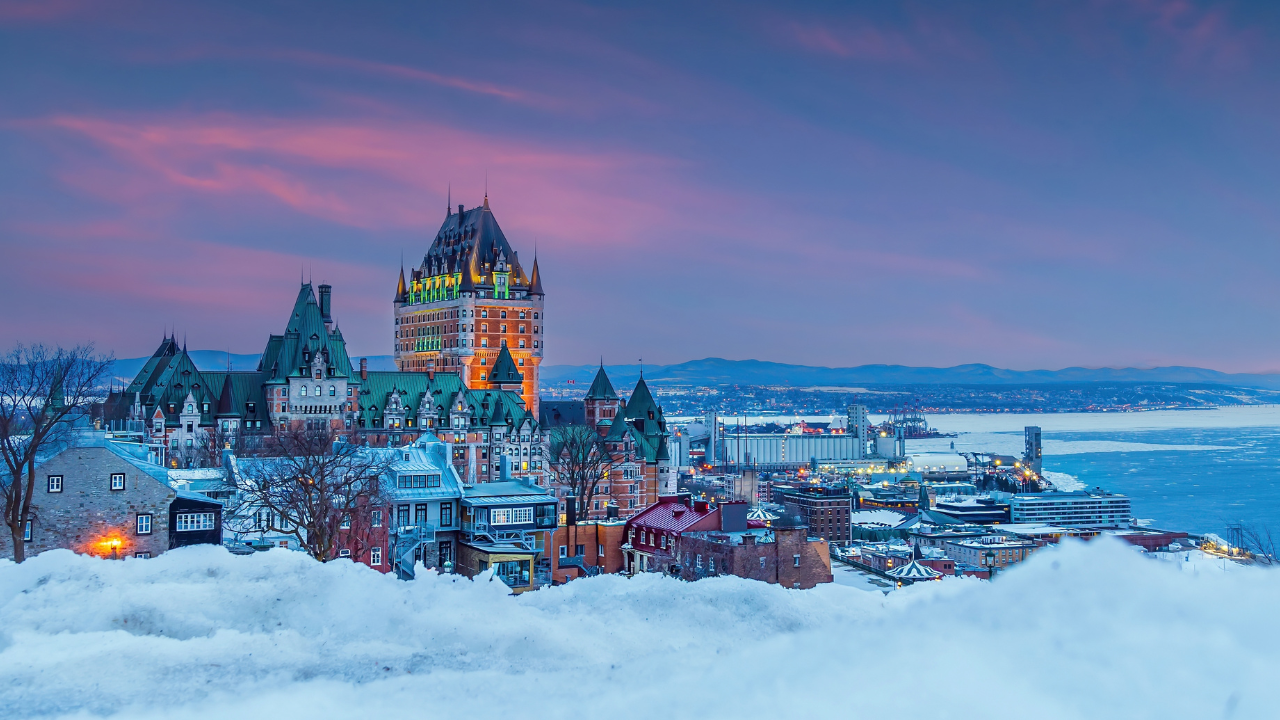
23. Quebec City, Canada
© Shutterstock / f11photo

23. Quebec City, Canada

Quebec City feels like a slice of old Europe in North America, with fortified walls and cobblestone streets. As the only fortified city north of Mexico, its Old Quebec district is a UNESCO World Heritage site filled with French-inspired charm. The iconic Château Frontenac overlooks the St. Lawrence River, serving as both a grand hotel and a symbol of the city. During the winter, the city transforms into a snowy wonderland with its famous Winter Carnival, while the summer months bring vibrant festivals and outdoor dining to the historic Petit-Champlain district.

Best Season to Visit: Winter or summer festivals

Ideal Visiting Hours: Evening Old Town walks

Traveler Tip: Visit Château Frontenac viewpoints

Must-Know: One of the oldest European-style cities in North America

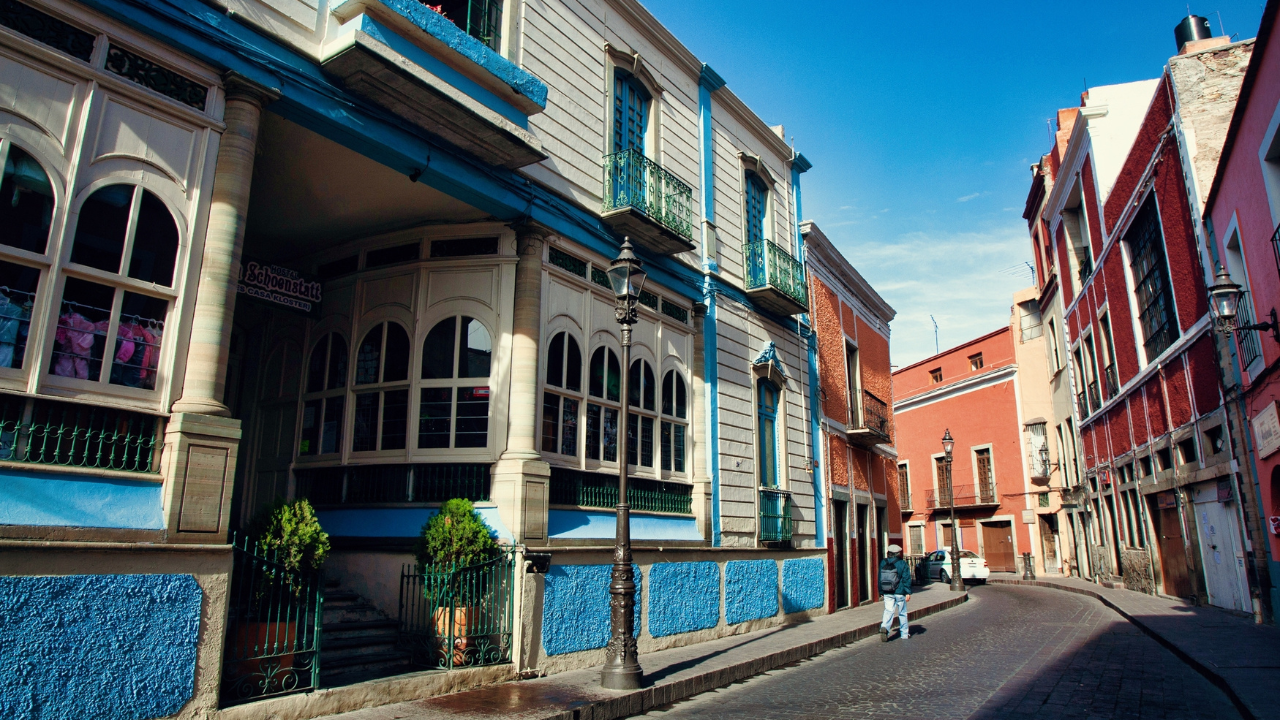
24. Guanajuato, Mexico
© Shutterstock / oscar garces

24. Guanajuato, Mexico

Guanajuato is a colorful colonial city built into steep valleys, with winding streets and underground tunnels. Originally a silver-mining hub, its wealth is evident in the opulent Juárez Theater and the grand basilica. The city is famous for its "Callejón del Beso" (Alley of the Kiss), a narrow street with a romantic legend, and its lively university atmosphere. Every October, the city hosts the Cervantino Festival, one of Latin America's most important arts festivals, bringing international performers to its historic theaters and cobblestone plazas.

Best Season to Visit: October (festival season)

Ideal Visiting Hours: Evening plaza gatherings

Traveler Tip: Get lost intentionally in the alleyways

Must-Know: UNESCO World Heritage city with mining history

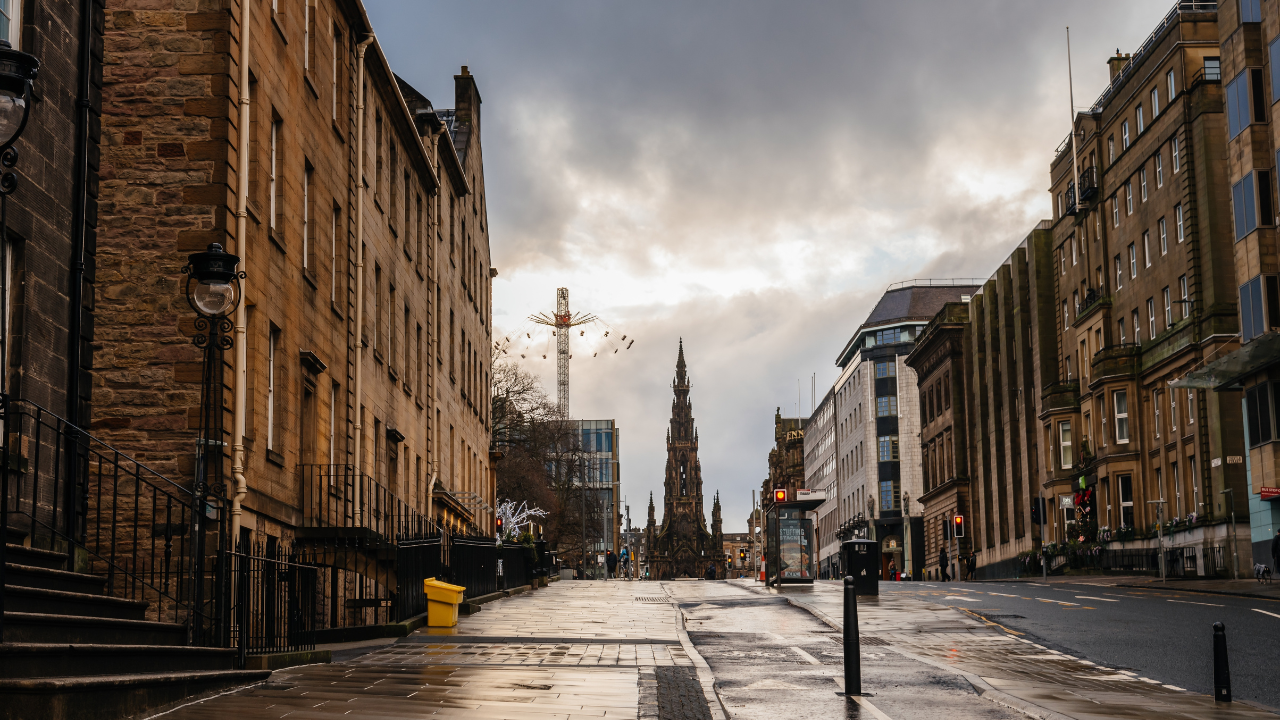
25. Edinburgh, Scotland
© Shutterstock / JJFarq

25. Edinburgh, Scotland

Edinburgh combines medieval Old Town streets with elegant Georgian New Town architecture. Its castle and hilltop views define the skyline, offering a dramatic vista from almost every angle. The Royal Mile is the historic heart of the city, connecting the castle to the Palace of Holyroodhouse with hidden "closes" and courtyards. During the Edinburgh Festival Fringe, the city becomes the world's leading arts destination, with performances occurring in every available space, from ancient vaults to modern theaters, creating an unparalleled atmosphere of creativity and history.

Best Season to Visit: August (festival season) or winter

Ideal Visiting Hours: Sunset from Arthur’s Seat

Traveler Tip: Walk the Royal Mile slowly and explore side closes

Must-Know: One of Europe’s most preserved historic capitals


Comments (0)

Leave a Reply

No comments yet. Be the first to share your thoughts!