Travel Hacks and Tips

20 reasons why many travelers prefer train travel for exploring the world

Julian Cross
3.8
May 15, 2026

Air travel has made the world smaller, connecting countries in hours instead of days. But in the rush to reach destinations quickly, something important is often lost, the joy of the journey itself. That’s where train travel stands out.

Across Europe, Asia, and beyond, rail journeys are becoming increasingly popular again, not just as transportation but as a travel experience in their own right. From scenic mountain routes to relaxed city-to-city connections, trains offer a slower, more immersive way to see the world.

For travelers exploring the top places to visit in the world, the way you move between destinations can shape your entire experience. Train travel often turns ordinary transit time into some of the most memorable moments of a trip. This guide explores 20 detailed reasons why many travelers now prefer trains over flying.
1. The Journey Itself Is More Scenic
© Unsplash / williamfntn

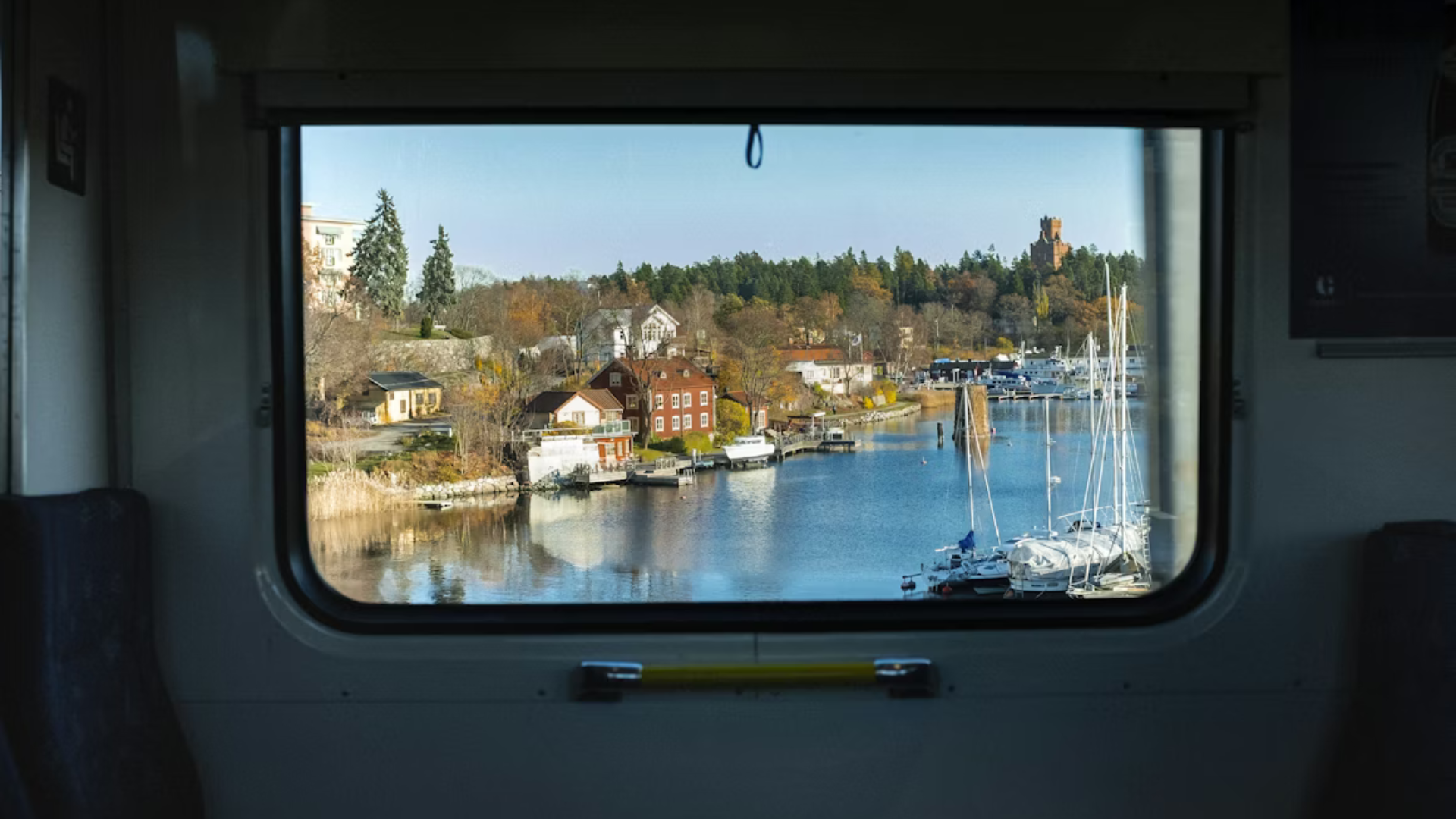
1. The Journey Itself Is More Scenic

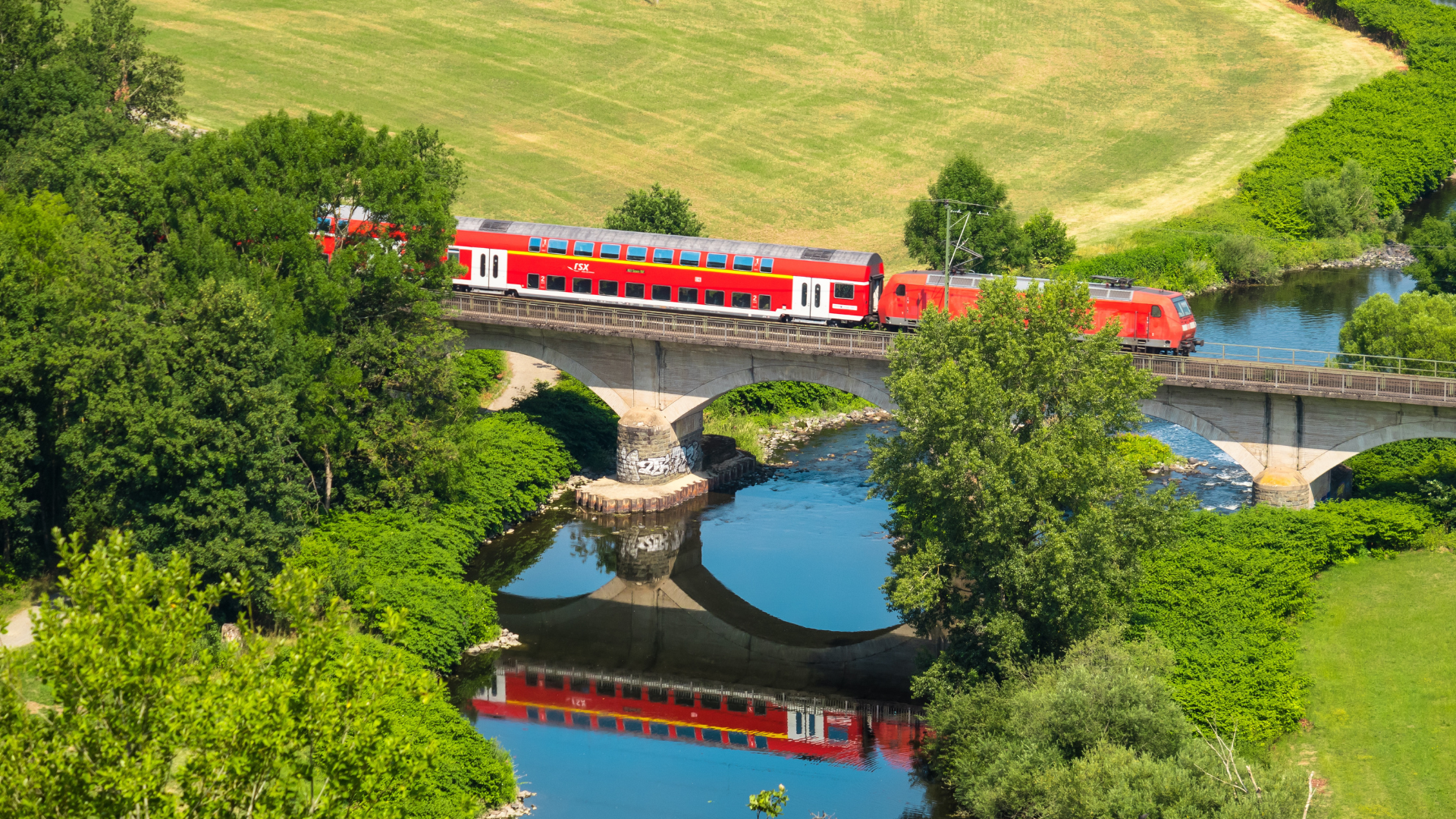
Train travel transforms transportation into sightseeing. Instead of clouds and cabin walls, you get uninterrupted views of mountains, rivers, villages, and countryside. Whether it’s alpine valleys or coastal routes, the scenery constantly changes outside your window.

Unlike flying, where the landscape disappears after takeoff, train journeys keep you visually connected to the land throughout the entire trip.

Focus On: Natural landscapes, countryside views

Why It Matters: Travel becomes part of the experience

Tip: Always book a window seat for long scenic routes

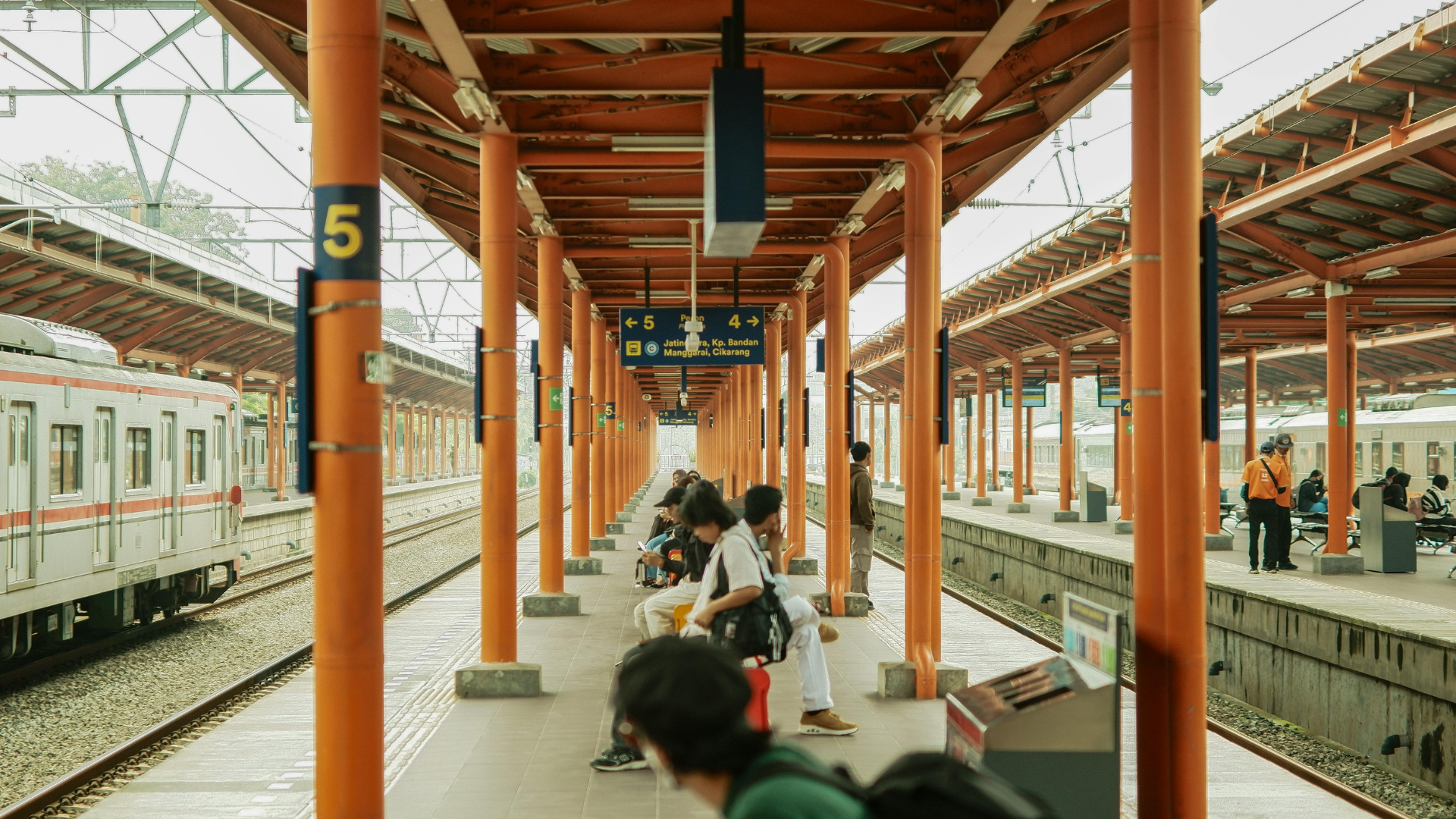
2. No Airport Hassle or Long Queues
© Pexels / Irsyad Rifqi

2. No Airport Hassle or Long Queues

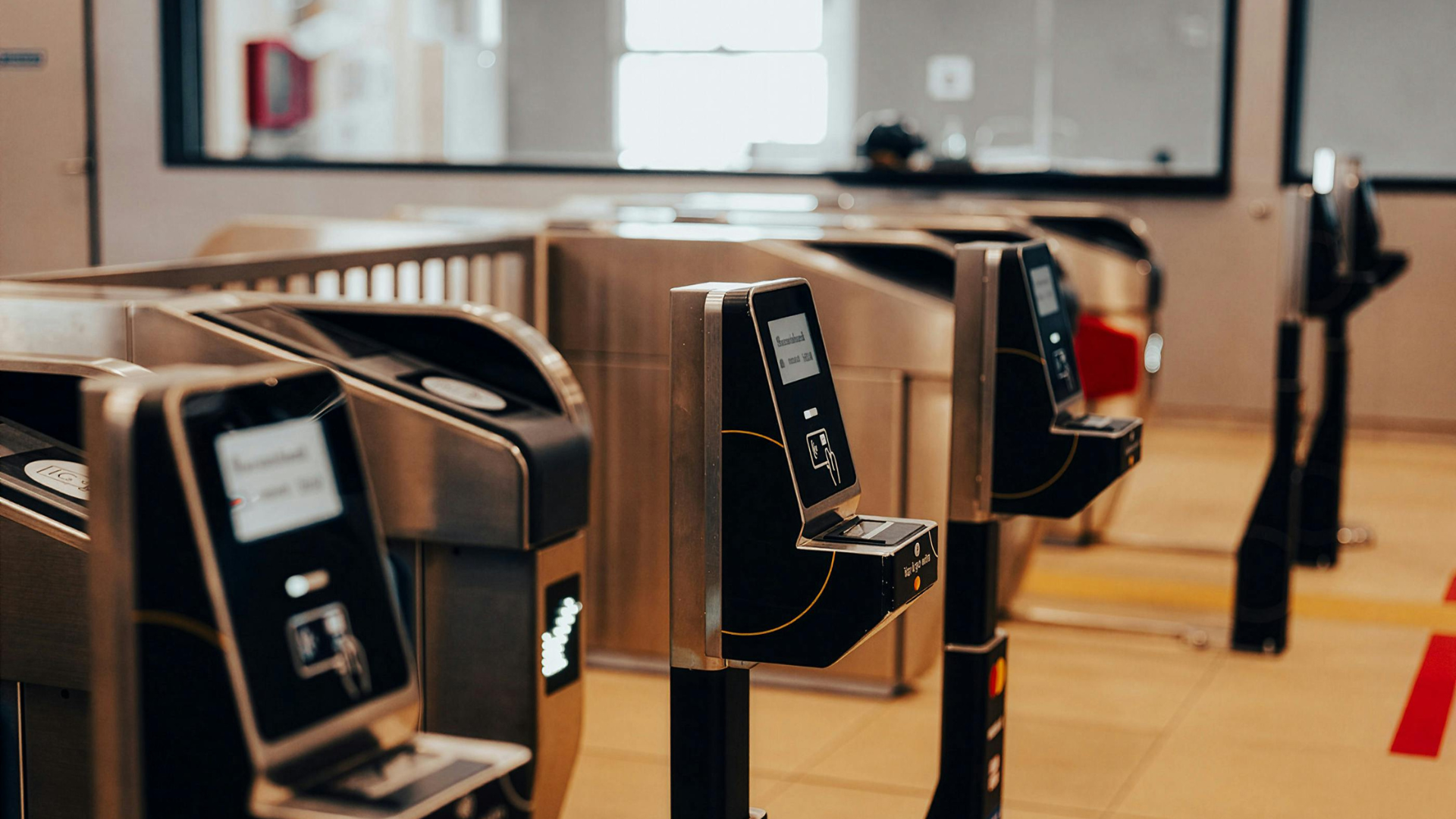
Airports often involve long check-in lines, baggage drops, security checks, and boarding delays. Train stations are far simpler and more relaxed in comparison.

Most rail journeys allow passengers to arrive shortly before departure, making the entire process less stressful and more time-efficient.

Focus On: Easy boarding process

Why It Matters: Less waiting, less stress

Tip: Arrive 20–30 minutes before departure for most trains

3. City Center to City Center Convenience
© Pixabay / NoName_13

3. City Center to City Center Convenience

Train stations are usually located in the heart of cities, while airports are often far outside urban areas. This makes rail travel much more convenient overall.

You save time and money by avoiding long airport transfers, taxis, or shuttle buses.

Focus On: Central locations

Why It Matters: Faster total travel time

Tip: Ideal for short and medium-distance travel

4. More Comfortable Seating and Space
© Pexels / Julian Cordero

4. More Comfortable Seating and Space

Train seats generally offer more legroom and personal space compared to economy class flights. You can stretch your legs, shift positions, and relax without feeling confined.

The open layout also creates a less restrictive environment, especially on long journeys.

Focus On: Comfort and space

Why It Matters: Reduces travel fatigue

Tip: Reserve seats in advance for better comfort

5. Freedom to Move Around Anytime
© Pexels / Kadir Polat

5. Freedom to Move Around Anytime

One of the biggest advantages of trains is mobility. You can walk through carriages, visit a dining area, or simply stretch your legs whenever you want.

This freedom makes long journeys feel far less tiring compared to being seated in one position on a plane.

Focus On: Onboard movement

Why It Matters: Improves comfort and circulation

Tip: Take short walks every hour on long trips

6. A Much More Relaxed Atmosphere
© Pexels / Ahmed

6. A Much More Relaxed Atmosphere

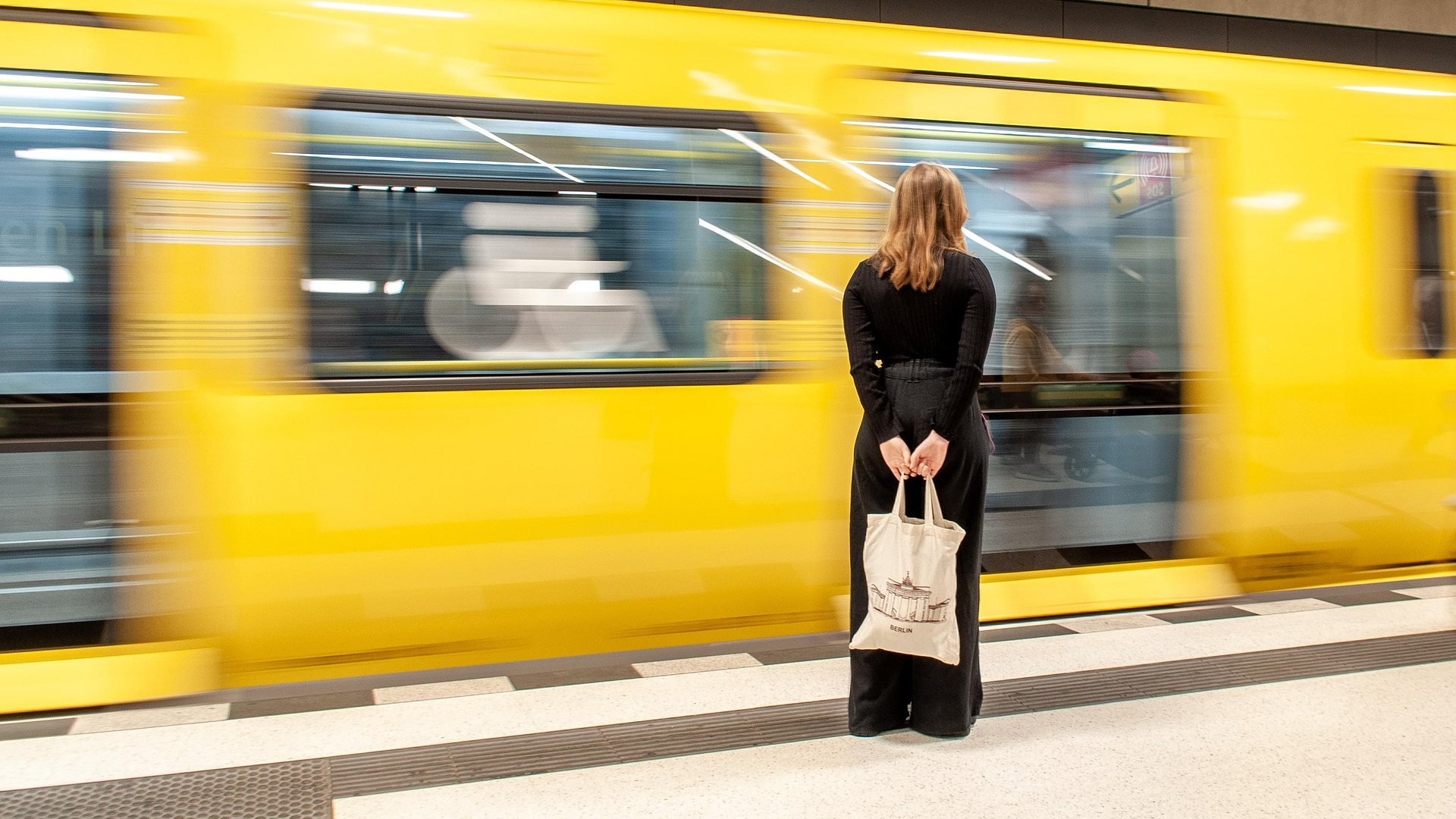
Train travel generally feels calmer and less formal than flying. There are fewer strict procedures, announcements, and restrictions, which creates a more peaceful environment.

This relaxed atmosphere makes it easier to read, sleep, or simply enjoy the journey.

Focus On: Calm environment

Why It Matters: Reduces travel anxiety

Tip: Bring music, books, or podcasts for relaxation

7. Less Stressful Boarding Process
© Pexels / SHOX ART

7. Less Stressful Boarding Process

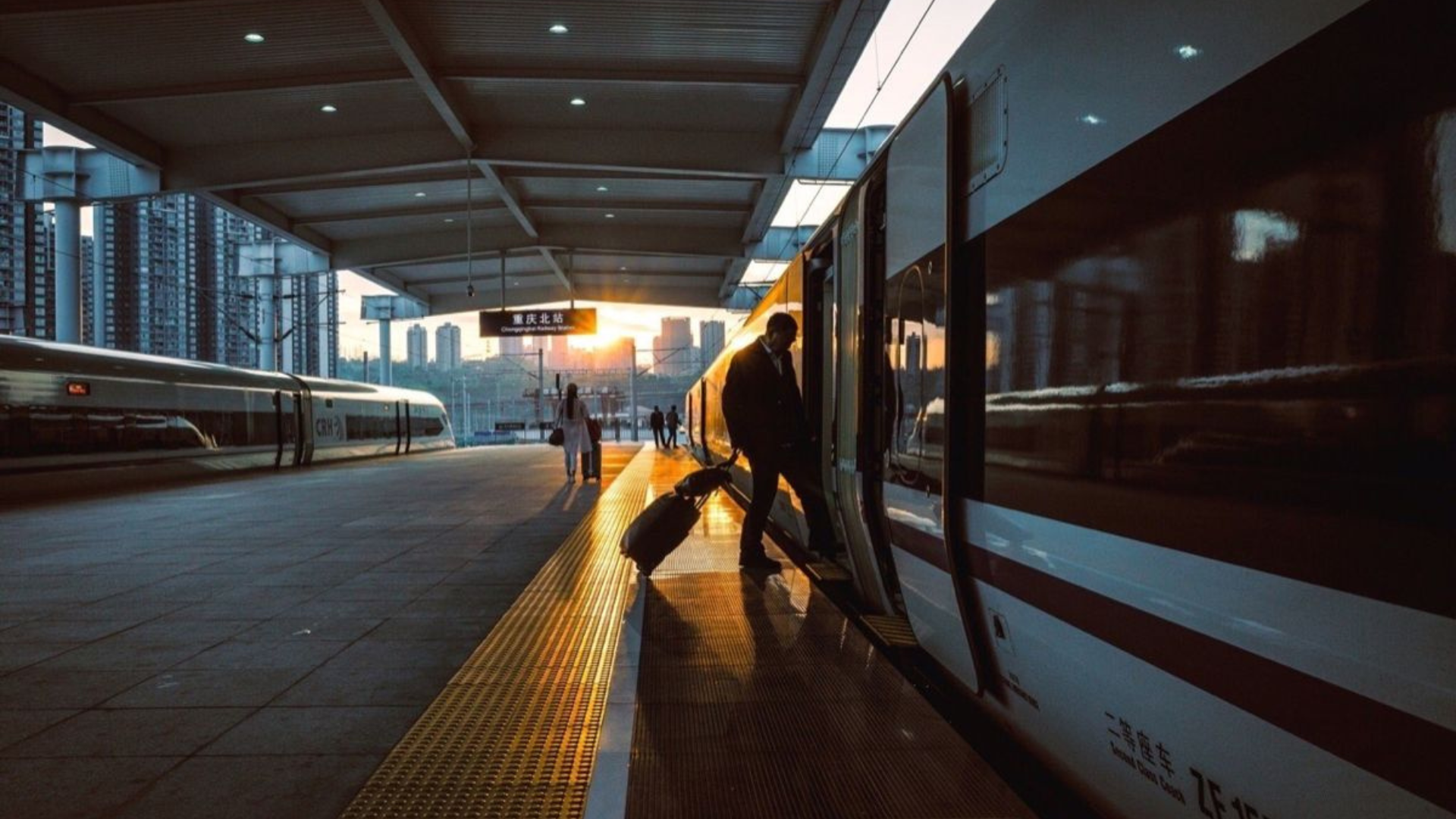
Boarding a train is quick and straightforward. There are no long queues for security checks or complicated procedures before entry.

This makes the start of your journey smooth and stress-free, especially for solo travelers or families.

Focus On: Simple boarding

Why It Matters: Saves time and energy

Tip: Keep tickets easily accessible

8. More Reliable in Many Weather Conditions
© Pixabay / Shlomaster

8. More Reliable in Many Weather Conditions

Flights are often delayed or canceled due to weather conditions like fog, storms, or heavy winds. Trains are generally less affected by such disruptions.

This makes rail schedules more predictable and easier to plan around.

Focus On: Schedule reliability

Why It Matters: Fewer travel disruptions

Tip: Still check rail updates before departure

9. Better for Short and Medium Distances
© Unsplash / Anastasiia Nelen

9. Better for Short and Medium Distances

When you factor in airport transfers, security checks, and boarding time, trains are often faster than planes for regional travel.

For routes under 500–800 km in many regions, rail travel is often the more efficient option overall.

Focus On: Regional travel efficiency

Why It Matters: Saves total journey time

Tip: Compare door-to-door travel times

10. Easier Luggage Rules
© Pexels / Connor Scott McManus

10. Easier Luggage Rules

Airlines often have strict weight limits and baggage fees, while trains usually offer more flexible luggage allowances.

This makes packing less stressful and allows travelers to carry more without worrying about extra charges.

Focus On: Flexible baggage rules

Why It Matters: Less travel stress

Tip: Keep bags manageable for easy handling

11. More Eco-Friendly Travel Option
© Pixabay / ingcarlosmp

11. More Eco-Friendly Travel Option

Trains produce significantly lower carbon emissions per passenger compared to airplanes.

For environmentally conscious travelers, rail travel is a more sustainable way to explore the world without contributing heavily to pollution.

Focus On: Sustainability

Why It Matters: Reduced environmental impact

Tip: Choose rail for short-haul routes whenever possible

12. Easier Ticket Changes in Many Systems
© Pexels / Lý Lâm Khả Huy

12. Easier Ticket Changes in Many Systems

Rail tickets often allow more flexibility with changes and cancellations compared to strict airline policies.

This is especially useful when travel plans are uncertain or subject to change.

Focus On: Flexibility

Why It Matters: Less financial risk

Tip: Check refund conditions before booking

13. Better Onboard Food Experience
© Pexels / Tina Lu

13. Better Onboard Food Experience

Many trains offer dining cars, snack services, or allow passengers to bring their own food without restrictions.

This gives travelers more freedom and a more relaxed dining experience during their journey.

Focus On: Food flexibility

Why It Matters: More enjoyable travel experience

Tip: Bring local snacks for long trips

14. Less Motion Discomfort
© Pinterest / Denis Mamontov

14. Less Motion Discomfort

Train movement is generally smoother than airplane turbulence, making it a better option for travelers sensitive to motion sickness.

This results in a more comfortable journey overall.

Focus On: Smooth ride quality

Why It Matters: Reduces discomfort

Tip: Choose lower-speed routes if sensitive

15. Easier Access to Power and Connectivity
© Pexels / Anna Shvets

15. Easier Access to Power and Connectivity

Many modern trains offer charging points and stable Wi-Fi, allowing passengers to work or stay connected during travel.

This makes train journeys productive as well as relaxing.

Focus On: Connectivity

Why It Matters: Useful for work and entertainment

Tip: Carry a power bank as backup

16. More Social and Interactive Experience
© Pexels / Liliana Drew

16. More Social and Interactive Experience

Train travel allows for more casual social interaction compared to flights. You can talk to fellow passengers or simply enjoy a shared travel atmosphere.

This makes journeys feel more human and less isolated.

Focus On: Social experience

Why It Matters: Adds travel enjoyment

Tip: Choose shared seating if you enjoy interaction

17. No Strict Cabin Restrictions
© Pinterest / Josefien

17. No Strict Cabin Restrictions

Unlike airplanes, trains do not require strict seatbelt rules or limited movement during travel.

Passengers can eat, move, and relax freely throughout the journey.

Focus On: Freedom onboard

Why It Matters: More relaxed experience

Tip: Keep essentials within easy reach

18. Better Access to Scenic Routes
© Pixabay / Thomas

18. Better Access to Scenic Routes

Many of the world’s most beautiful landscapes are best experienced by train, Alpine routes, coastal tracks, and countryside journeys are designed for viewing.

This makes train travel ideal for sightseeing-focused trips.

Focus On: Scenic rail lines

Why It Matters: Unique visual experience

Tip: Research scenic train routes before booking

19. Less Travel Fatigue Overall
© Pixabay / wal_172619

19. Less Travel Fatigue Overall

Because train travel is less stressful and more comfortable, passengers often arrive feeling less tired compared to flying.

There is no jet lag, less waiting, and more physical comfort throughout the journey.

Focus On: Energy levels

Why It Matters: Better arrival experience

Tip: Stretch occasionally during long trips

20. The Journey Becomes Part of the Memory
© Pinterest / pumpkin

20. The Journey Becomes Part of the Memory

Perhaps the biggest advantage of train travel is emotional rather than practical, the journey itself becomes memorable.

Instead of rushing from airport to airport, you experience landscapes, conversations, and moments that become part of your story.

Focus On: Travel experience

Why It Matters: More meaningful journeys

Tip: Keep a travel journal or take photos along the way


Comments (0)

Leave a Reply

No comments yet. Be the first to share your thoughts!