Travel Destination

20 charming towns in Eastern Europe known for culture and local character

Julian Cross
4.6
May 19, 2026

Some of the most memorable travel experiences happen when you stop following a schedule. Eastern Europe, with its layered history, welcoming locals, and diverse landscapes, is perfect for spontaneous exploration. From lakeside villages to medieval towns and mountain regions, these destinations reward curiosity over planning. Wander freely, follow your instincts, and let each place reveal itself naturally.

1. Lake Bled, Slovenia
© Shutterstock / kerenby

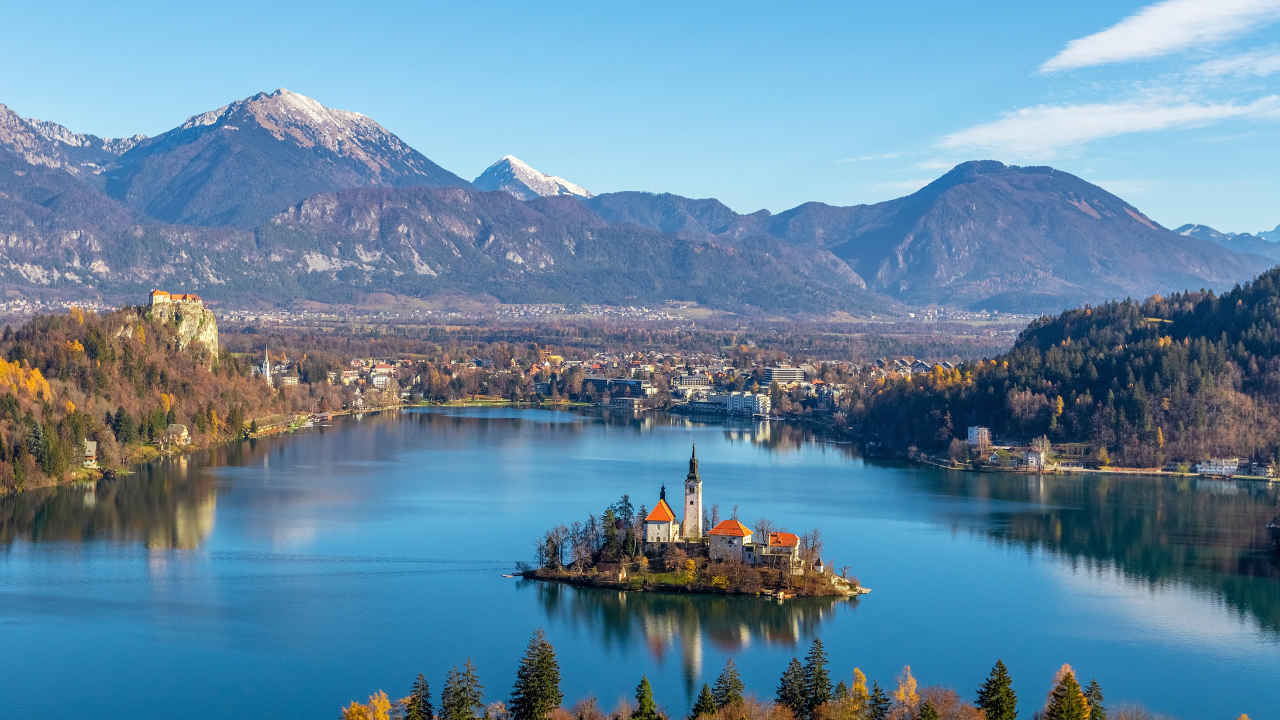
1. Lake Bled, Slovenia

Lake Bled feels like a postcard come to life, with emerald waters and a tiny island church at its center. Without a fixed plan, you can rent a boat on a whim or hike up to the castle when the fog clears. The peaceful setting encourages slow travel and spontaneous moments. A lakeside picnic with local cream cake makes the experience even better.

Best Season to Visit: Late spring to early autumn

Ideal Visiting Hours: Morning or sunset

Traveler Tip: Try kremšnita from a local bakery

Must-Know: Weather shifts can dramatically change the views

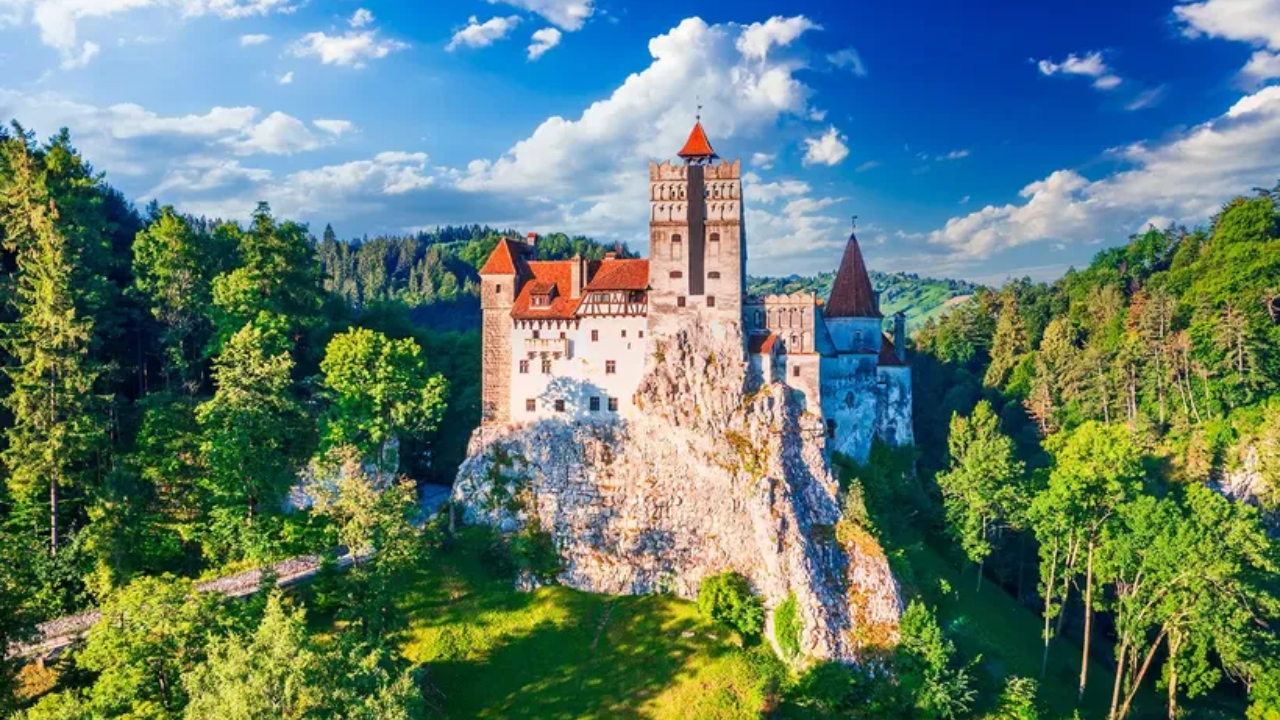
2. Transylvania, Romania
© Jack and Sophia Torr

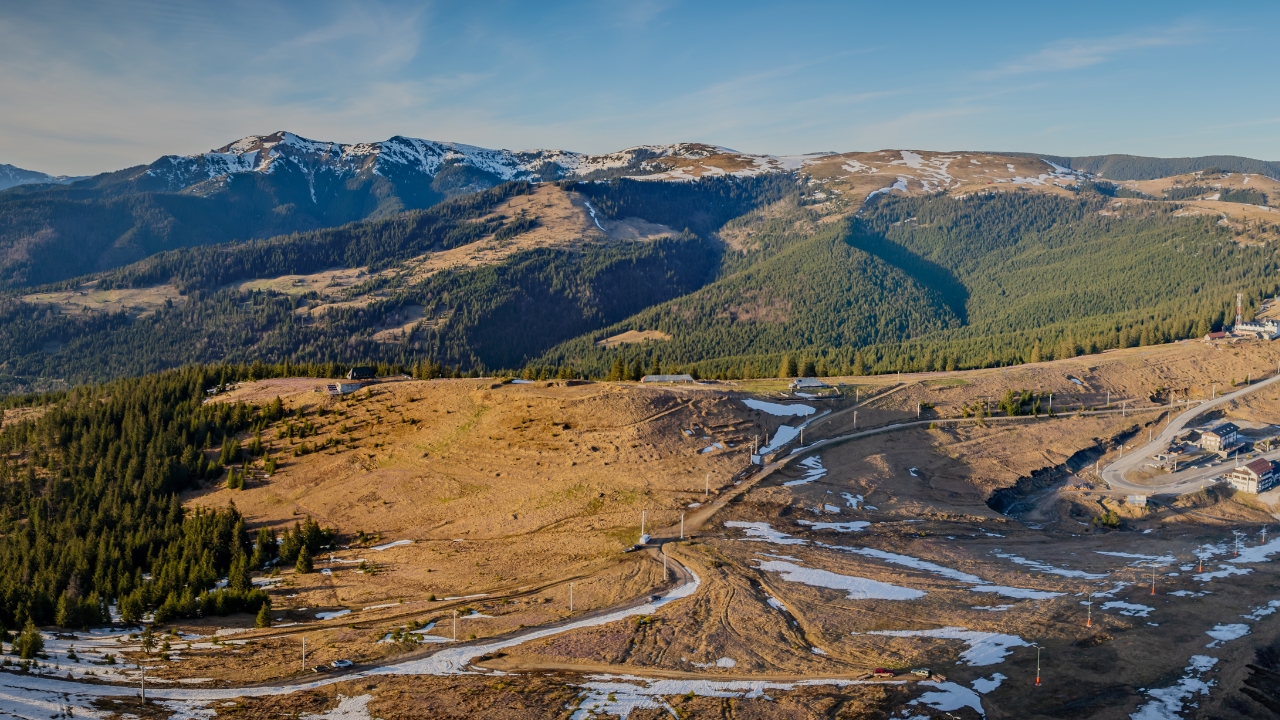
2. Transylvania, Romania

Transylvania offers medieval towns, forests, and mountain landscapes that feel untouched. Exploring without a plan leads to hidden villages and unexpected cultural experiences. Locals often guide you toward lesser-known spots or traditions. The region’s charm lies in its unpredictability.

Best Season to Visit: Spring and autumn

Ideal Visiting Hours: Daytime exploration

Traveler Tip: Talk to locals for hidden gems

Must-Know: Distances can be longer than they appear

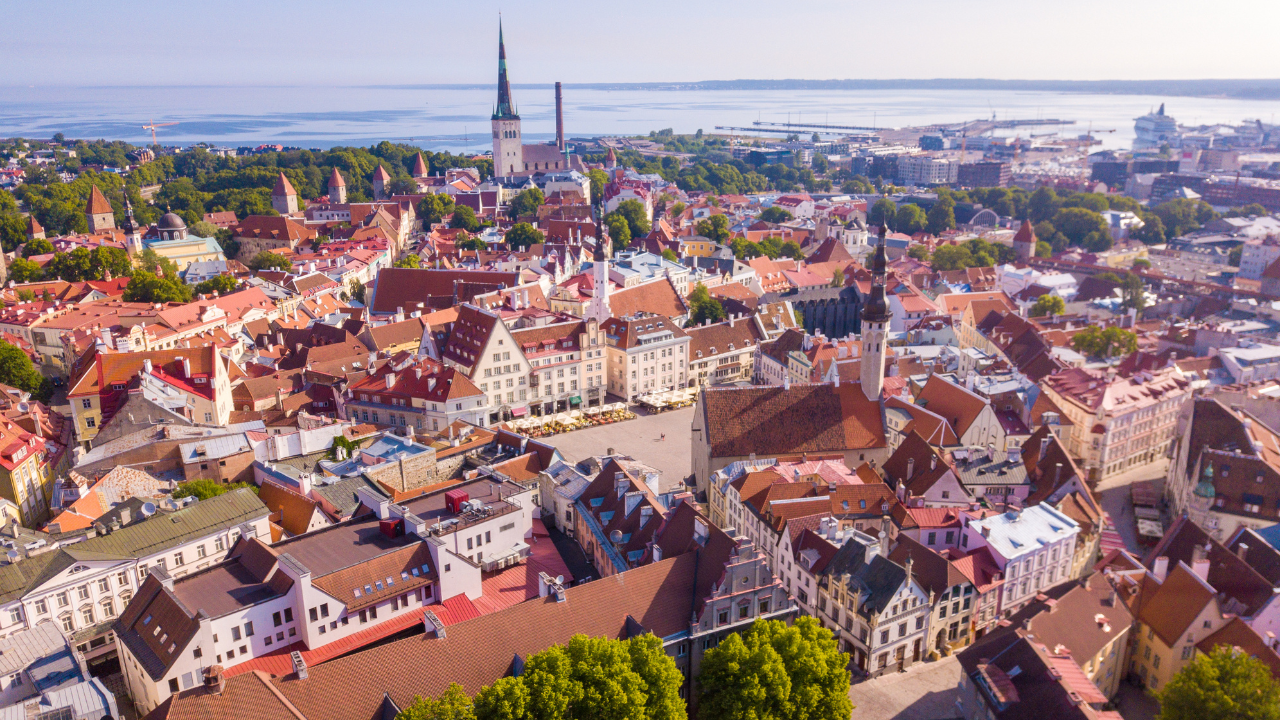
3. Tallinn Old Town, Estonia
© Shutterstock / Pandora Pictures

3. Tallinn Old Town, Estonia

Tallinn Old Town is a maze of cobbled streets and medieval architecture. Wandering aimlessly reveals hidden courtyards, cafés, and artisan shops. The atmosphere shifts from quiet mornings to lively evenings. It’s a place where every turn feels like a discovery.

Best Season to Visit: Summer or winter

Ideal Visiting Hours: Early morning or evening

Traveler Tip: Explore side streets beyond main squares

Must-Know: It’s one of Europe’s best-preserved medieval towns

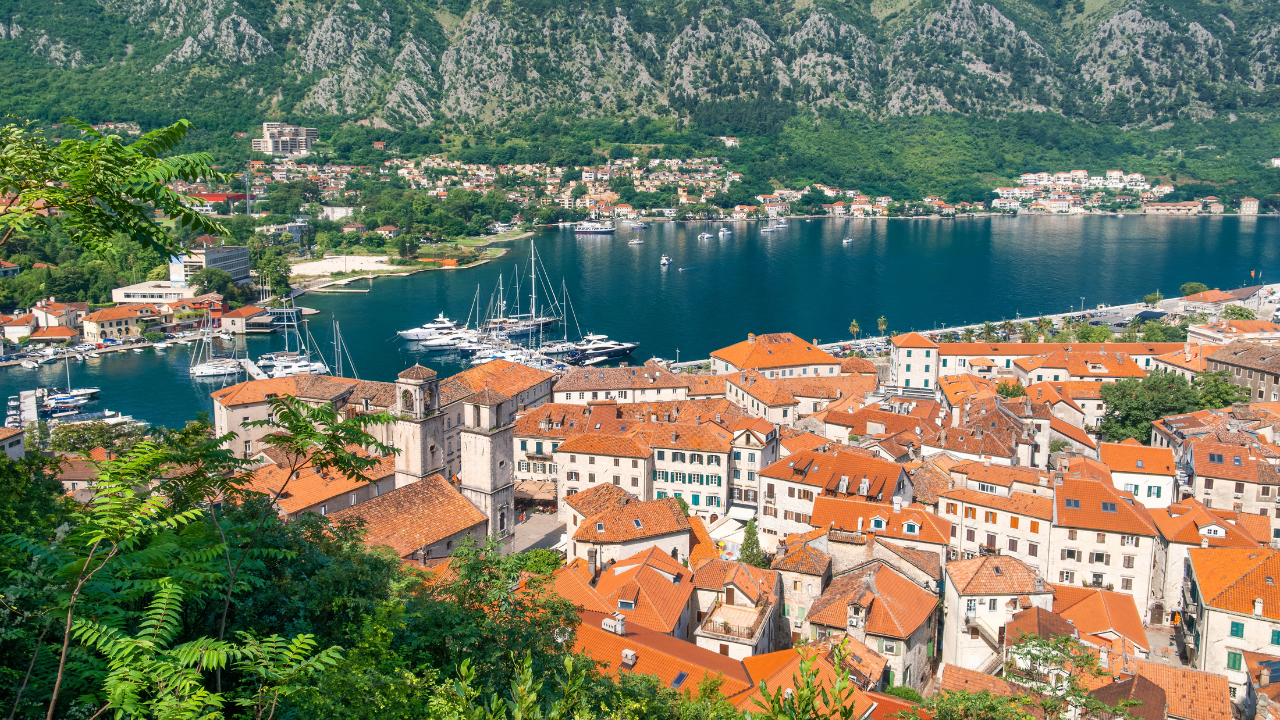
4. Bay of Kotor, Montenegro
© Shutterstock / artem evdokimov

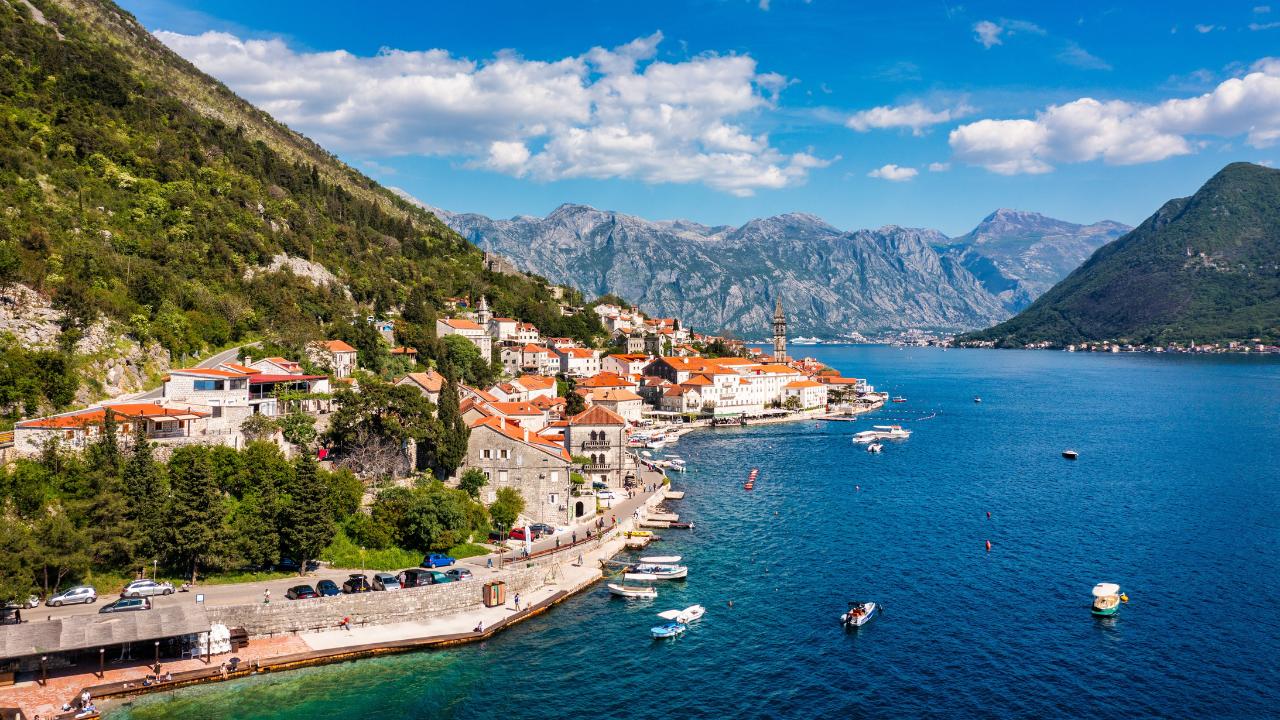
4. Bay of Kotor, Montenegro

Bay of Kotor combines mountains and sea in a dramatic setting. Without strict plans, you can explore hidden paths, swim in quiet spots, or find local seafood restaurants. The changing light makes every visit feel different. It’s ideal for flexible, slow travel.

Best Season to Visit: Late spring and early autumn

Ideal Visiting Hours: Sunset

Traveler Tip: Explore smaller villages around the bay

Must-Know: Roads are narrow and winding

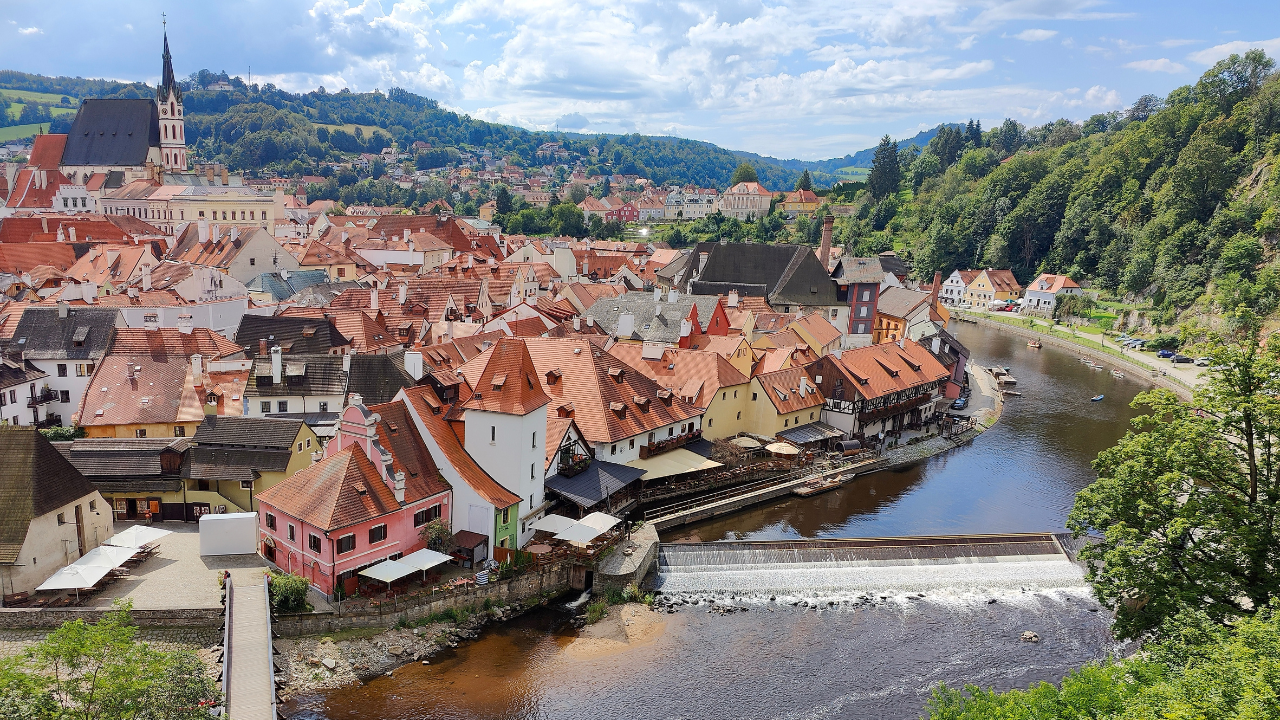
5. Český Krumlov, Czech Republic
© Shutterstock / phoelixDE

5. Český Krumlov, Czech Republic

Český Krumlov is a fairytale town wrapped around a river. Wandering freely lets you discover cafés, gardens, and street performances. Its architecture creates endless photo opportunities. The charm lies in taking your time.

Best Season to Visit: Spring and autumn

Ideal Visiting Hours: Morning

Traveler Tip: Stay overnight to avoid crowds

Must-Know: It’s a UNESCO World Heritage Site

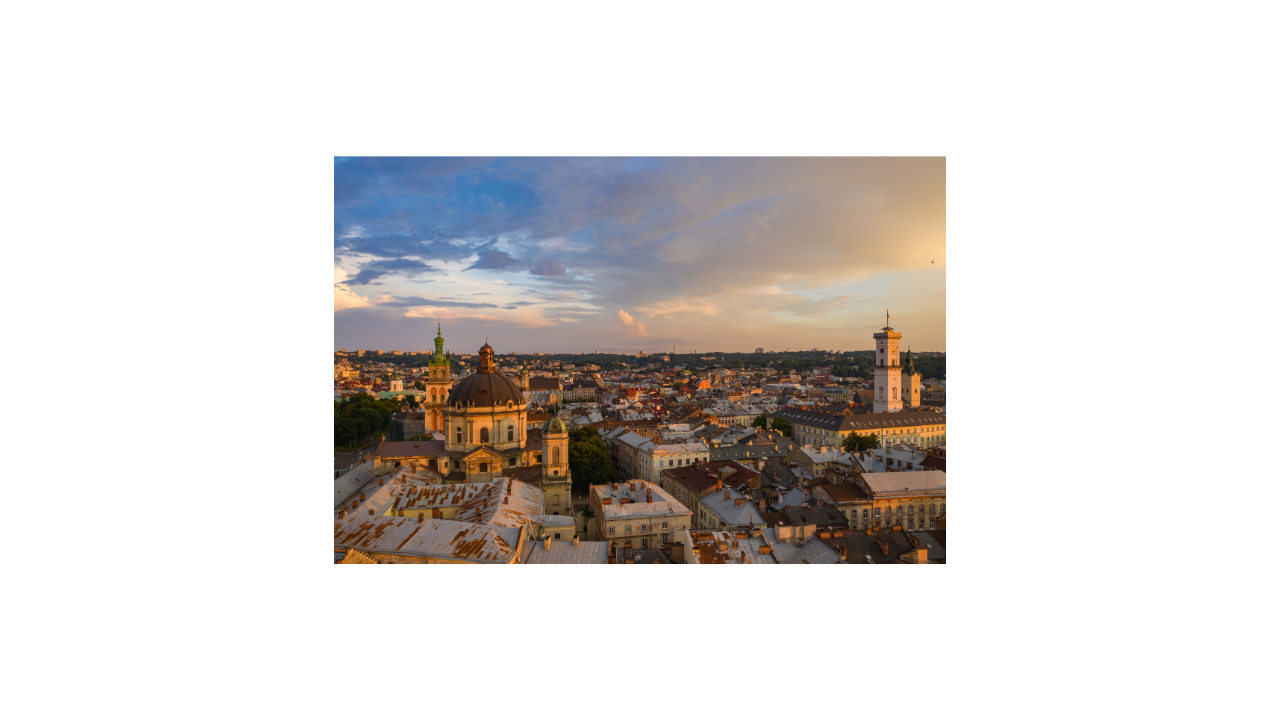
6. Lviv, Ukraine
© Shutterstock / Ruslan Lytvyn

6. Lviv, Ukraine

Lviv blends cultures through its architecture, cafés, and lively streets. Exploring without a plan leads to themed cafés and hidden courtyards. The city’s atmosphere evolves throughout the day. It’s perfect for slow, immersive travel.

Best Season to Visit: Spring and summer

Ideal Visiting Hours: Afternoon and evening

Traveler Tip: Try local coffee spots

Must-Know: The city has strong European influences

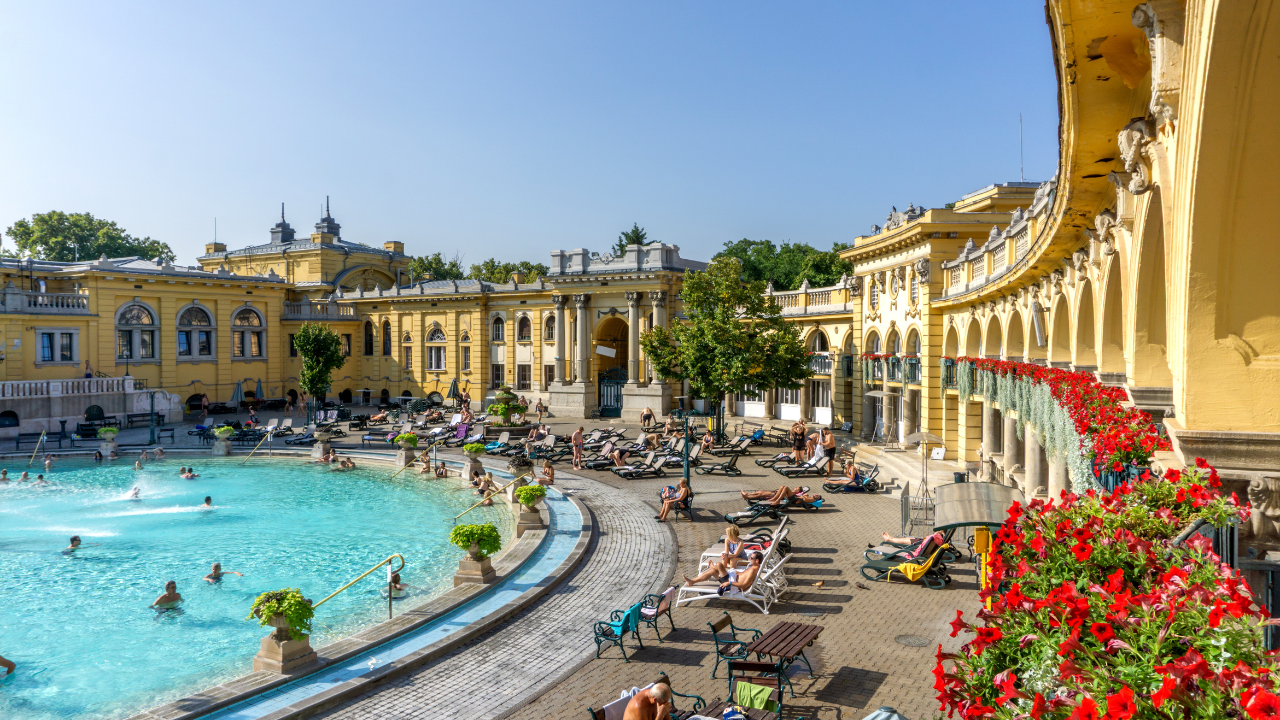
7. Budapest’s Thermal Baths, Hungary
© Shutterstock / cktravels.com

7. Budapest’s Thermal Baths, Hungary

Széchenyi Thermal Bath and Gellért Thermal Bath offer relaxation best enjoyed without time limits. Moving between pools at your own pace is part of the experience. Each bath has a distinct style and atmosphere. It’s a cultural and wellness experience combined.

Best Season to Visit: Year-round

Ideal Visiting Hours: Late morning

Traveler Tip: Spend a few hours, not just a quick visit

Must-Know: Bring swimwear and towels

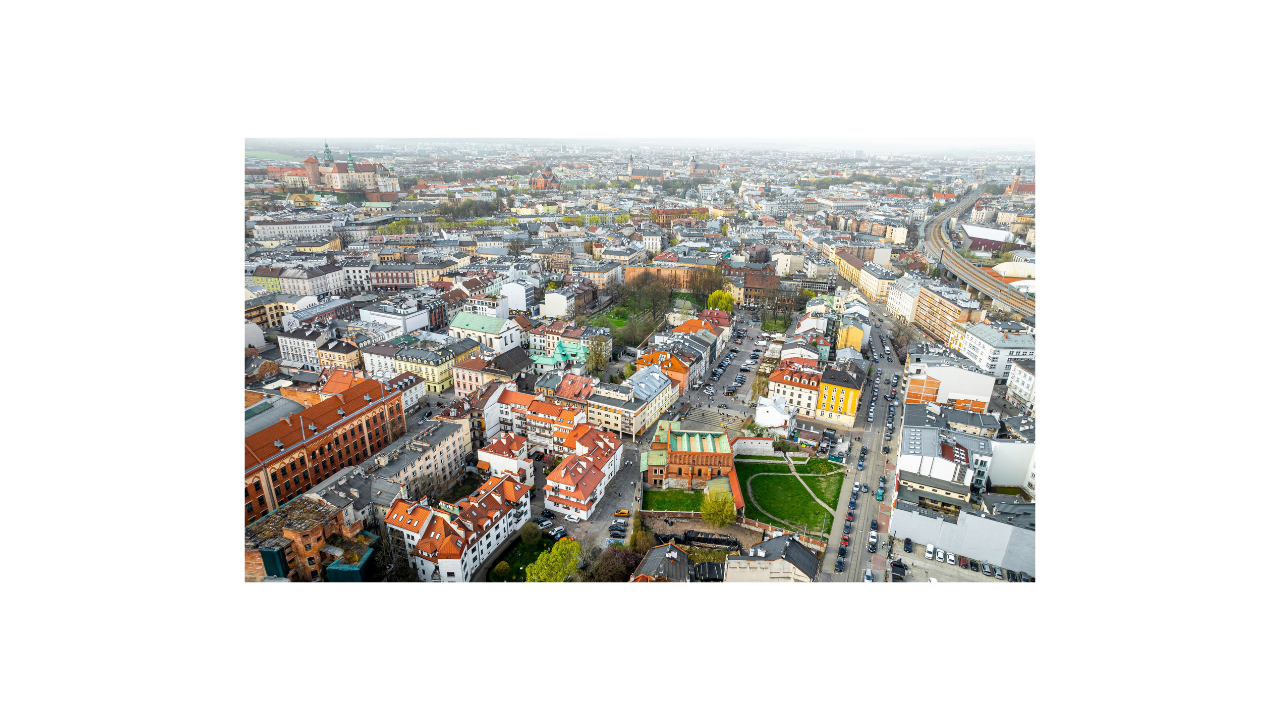
8. Kraków’s Kazimierz District, Poland
© Shutterstock / Alexey Fedorenko

8. Kraków’s Kazimierz District, Poland

Kazimierz is a vibrant neighborhood full of history and creativity. Wandering reveals street art, cafés, and hidden eateries. The area comes alive in the evening. It’s best explored without a strict plan.

Best Season to Visit: Spring and summer

Ideal Visiting Hours: Evening

Traveler Tip: Look for unmarked restaurants

Must-Know: It was once the Jewish quarter

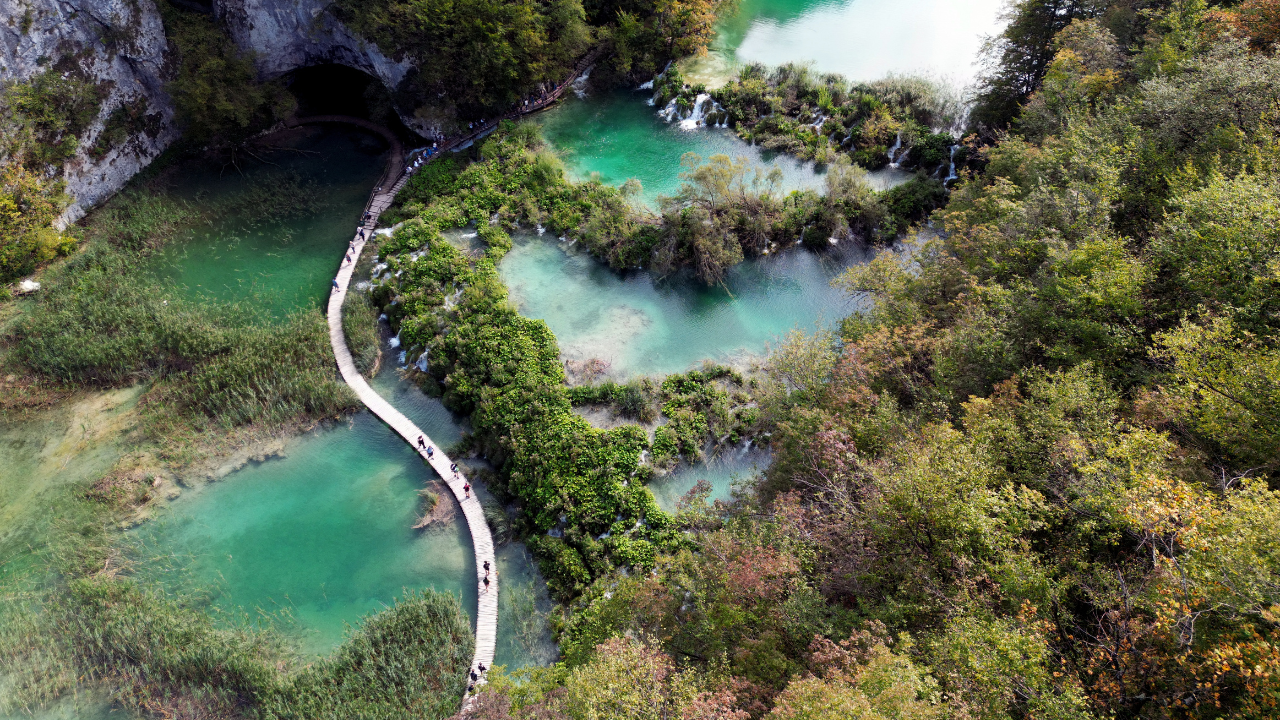
9. Plitvice Lakes, Croatia
© Shutterstock / Volodymyr TVERDOKHLIB

9. Plitvice Lakes, Croatia

Plitvice Lakes National Park features cascading waterfalls and vibrant lakes. Exploring slowly allows you to appreciate changing colors and scenery. Early or late visits offer quieter moments. Nature feels more immersive without rushing.

Best Season to Visit: Spring and autumn

Ideal Visiting Hours: Early morning

Traveler Tip: Take less crowded trails

Must-Know: Paths can get busy midday

10. Old Plovdiv, Bulgaria
© Shutterstock / saiko3p

10. Old Plovdiv, Bulgaria

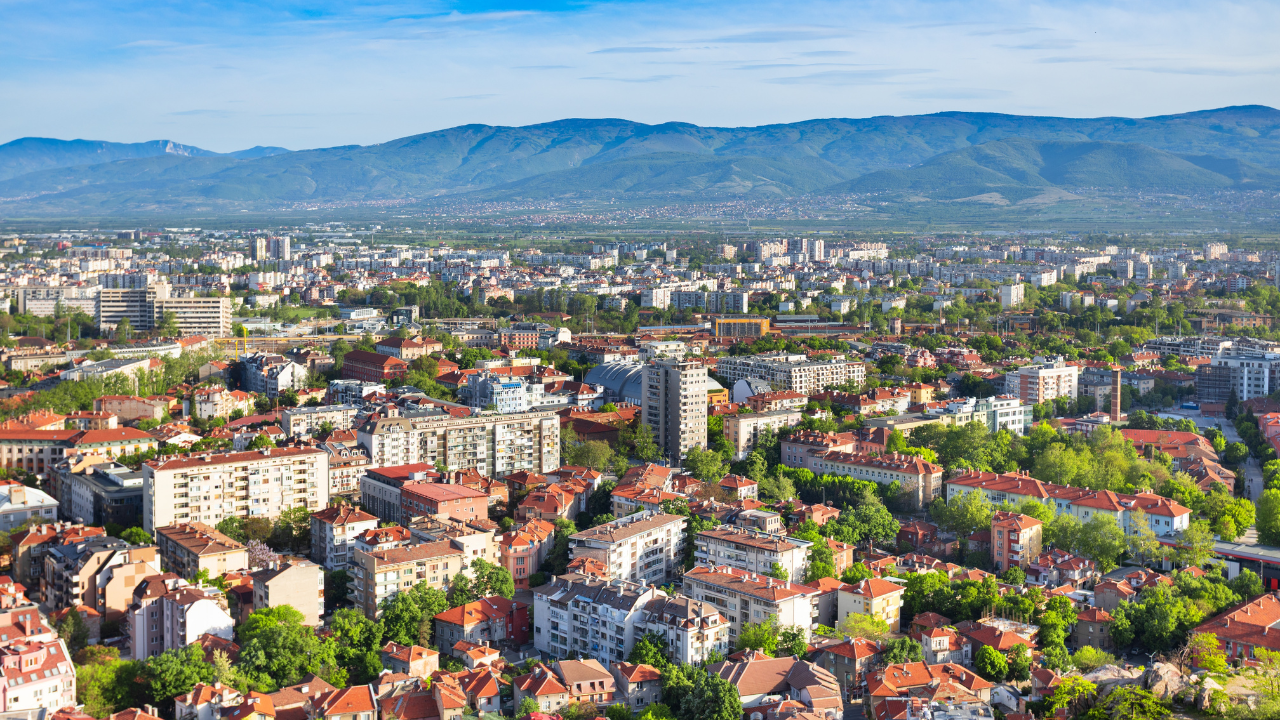
Plovdiv mixes Roman ruins with colorful historic houses. Wandering reveals galleries, studios, and cultural spots. The artistic vibe makes it feel alive and authentic. It’s a city that rewards curiosity.

Best Season to Visit: Spring and autumn

Ideal Visiting Hours: Afternoon

Traveler Tip: Explore the old town slowly

Must-Know: It’s one of Europe’s oldest cities

11. Saxon Villages, Romania
© Shutterstock / DMZ001

11. Saxon Villages, Romania

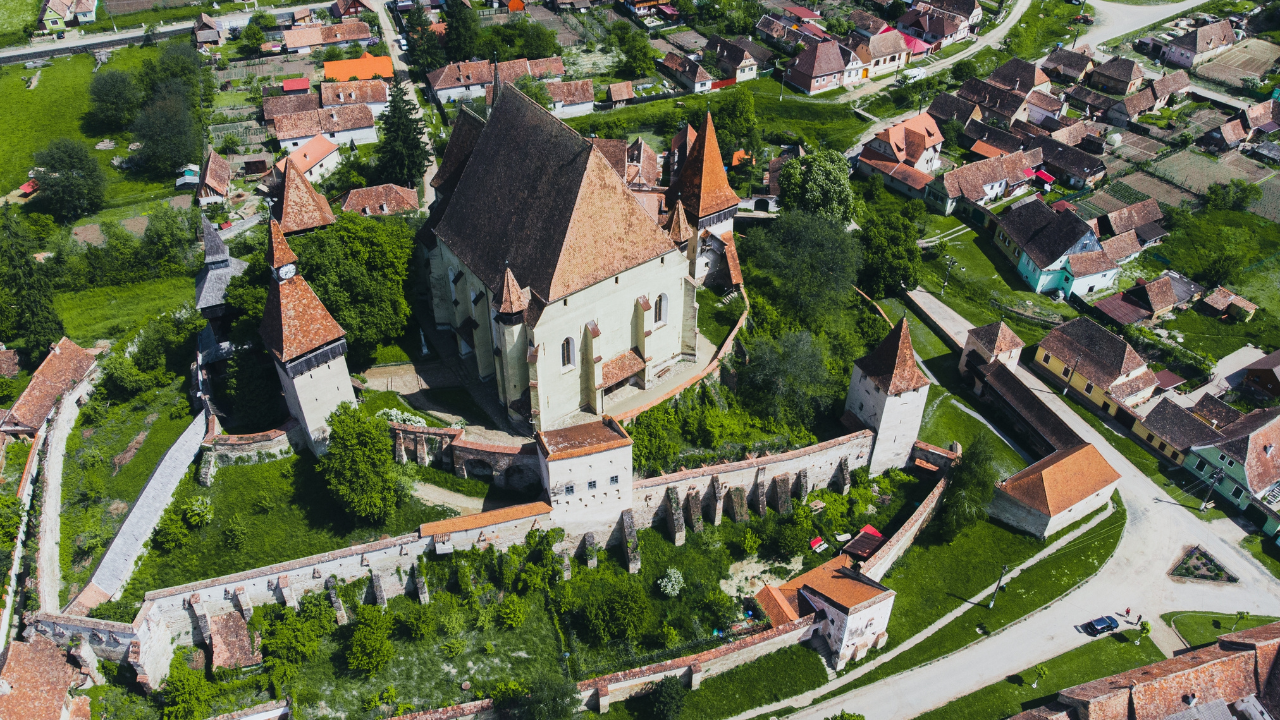
These rural villages offer a glimpse into traditional European life. Exploring without plans may lead to local encounters or cultural traditions. The fortified churches add historical depth. It’s about authentic experiences rather than sightseeing.

Best Season to Visit: Summer

Ideal Visiting Hours: Daytime

Traveler Tip: Accept local invitations if offered

Must-Know: Many villages are still very traditional

12. Lake Ohrid, North Macedonia
© Shutterstock / Mita Stock Images

12. Lake Ohrid, North Macedonia

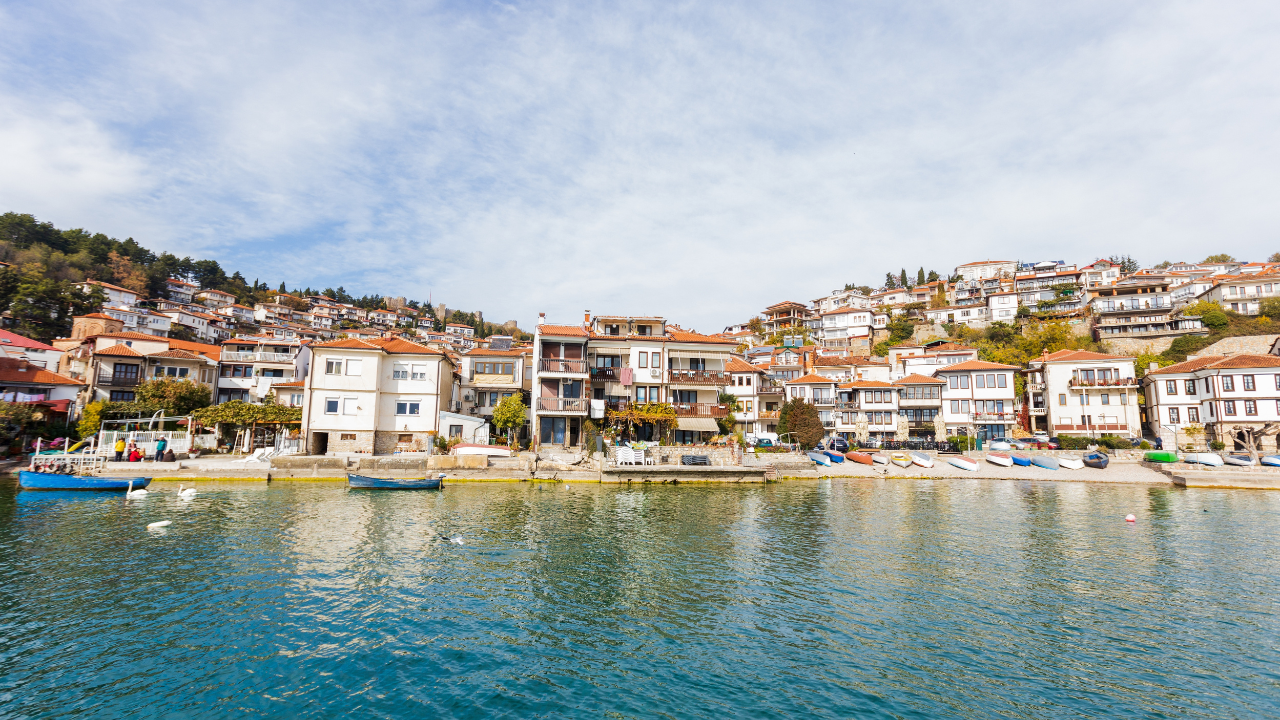
Lake Ohrid blends history with natural beauty. Spontaneous exploration might lead to monasteries or hidden swimming spots. The lake’s calm atmosphere is perfect for relaxation. It’s both scenic and cultural.

Best Season to Visit: Summer

Ideal Visiting Hours: Morning or evening

Traveler Tip: Try local fish dishes

Must-Know: It’s one of Europe’s oldest lakes

13. Viljandi, Estonia
© Shutterstock / Tomasz Wozniak

13. Viljandi, Estonia

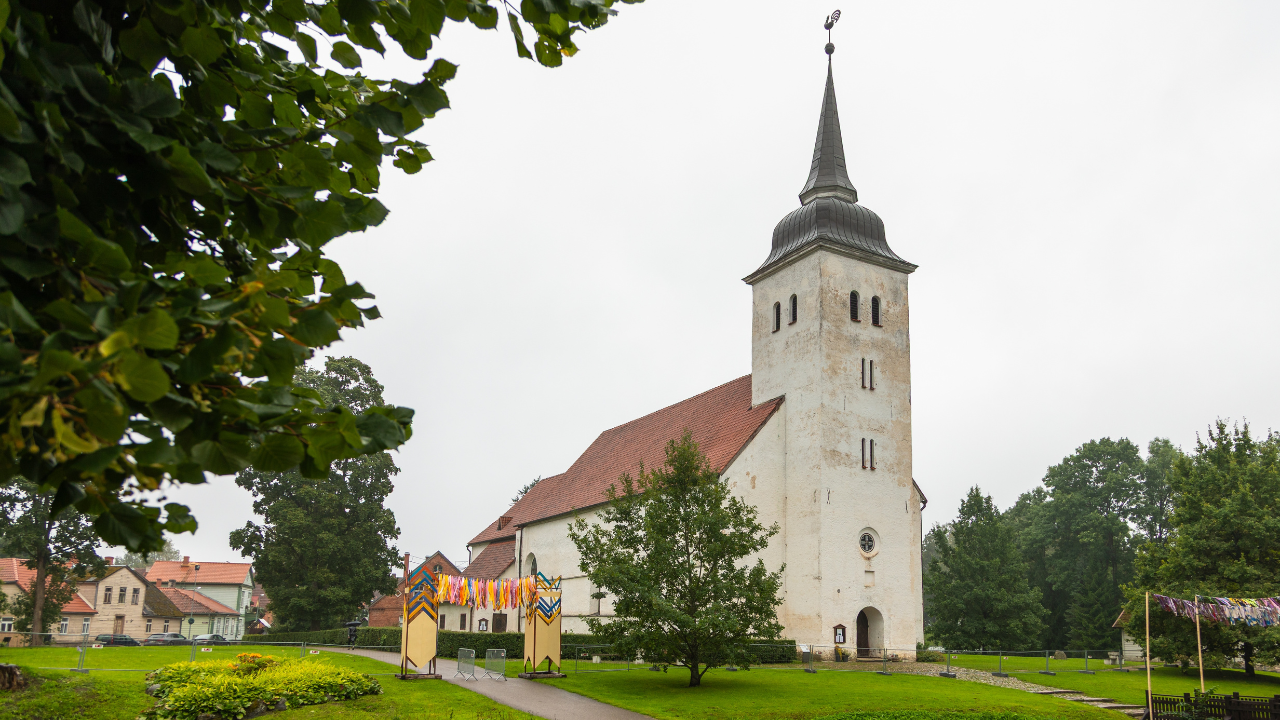
Viljandi is a peaceful town centered around a lake and castle ruins. Its relaxed pace encourages slow travel. Seasonal events bring unexpected cultural experiences. It’s ideal for unwinding.

Best Season to Visit: Summer

Ideal Visiting Hours: Afternoon

Traveler Tip: Visit during folk festivals

Must-Know: It’s known for music culture

14. High Tatras, Slovakia
© Shutterstock / Piotr Krzeslak

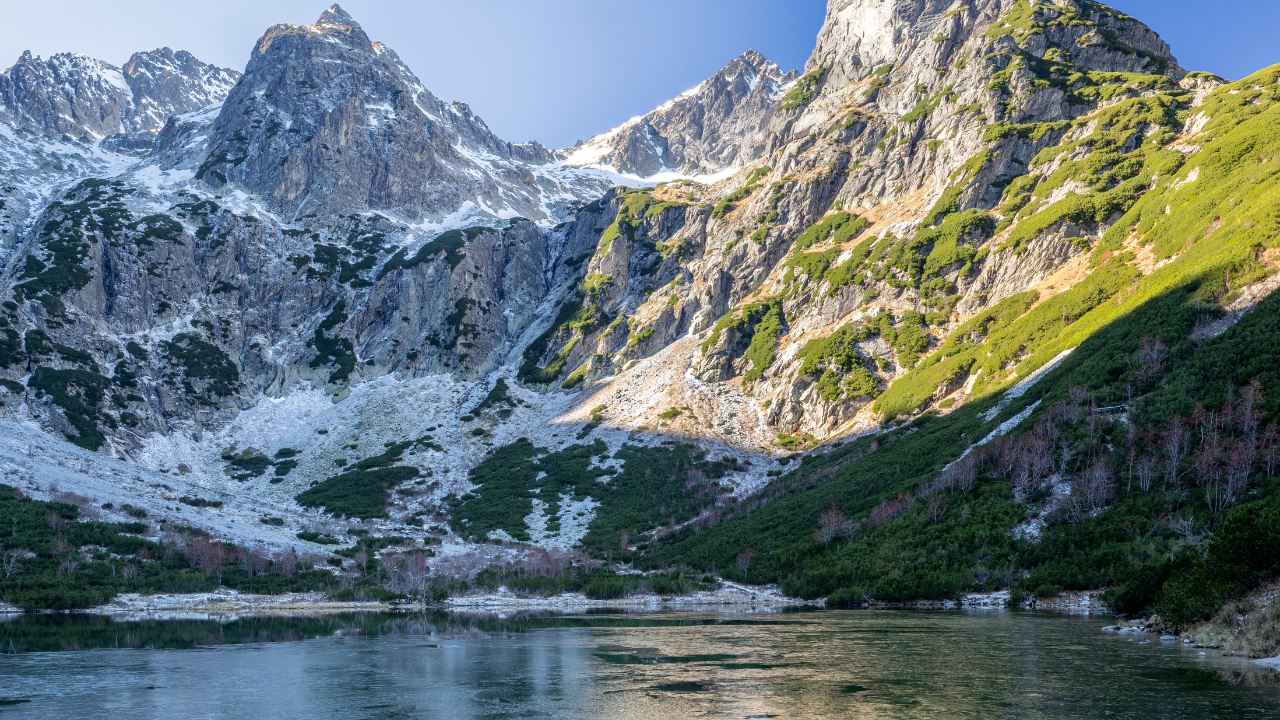
14. High Tatras, Slovakia

High Tatras offer dramatic landscapes and flexible hiking opportunities. Weather changes quickly, making spontaneous planning essential. Trails suit all levels of hikers. It’s perfect for nature lovers.

Best Season to Visit: Summer

Ideal Visiting Hours: Morning

Traveler Tip: Check weather before hiking

Must-Know: Conditions can change rapidly

15. Maramureș Region, Romania
© Shutterstock / Snapshot freddy

15. Maramureș Region, Romania

Maramureș preserves traditional rural life. Wooden churches and cultural practices feel authentic and untouched. Chance encounters often become highlights. It’s a deeply immersive destination.

Best Season to Visit: Late spring to early autumn

Ideal Visiting Hours: Daytime

Traveler Tip: Visit during local festivals

Must-Know: UNESCO-listed wooden churches are here

16. Ljubljana, Slovenia
© Shutterstock / Matej Kastelic

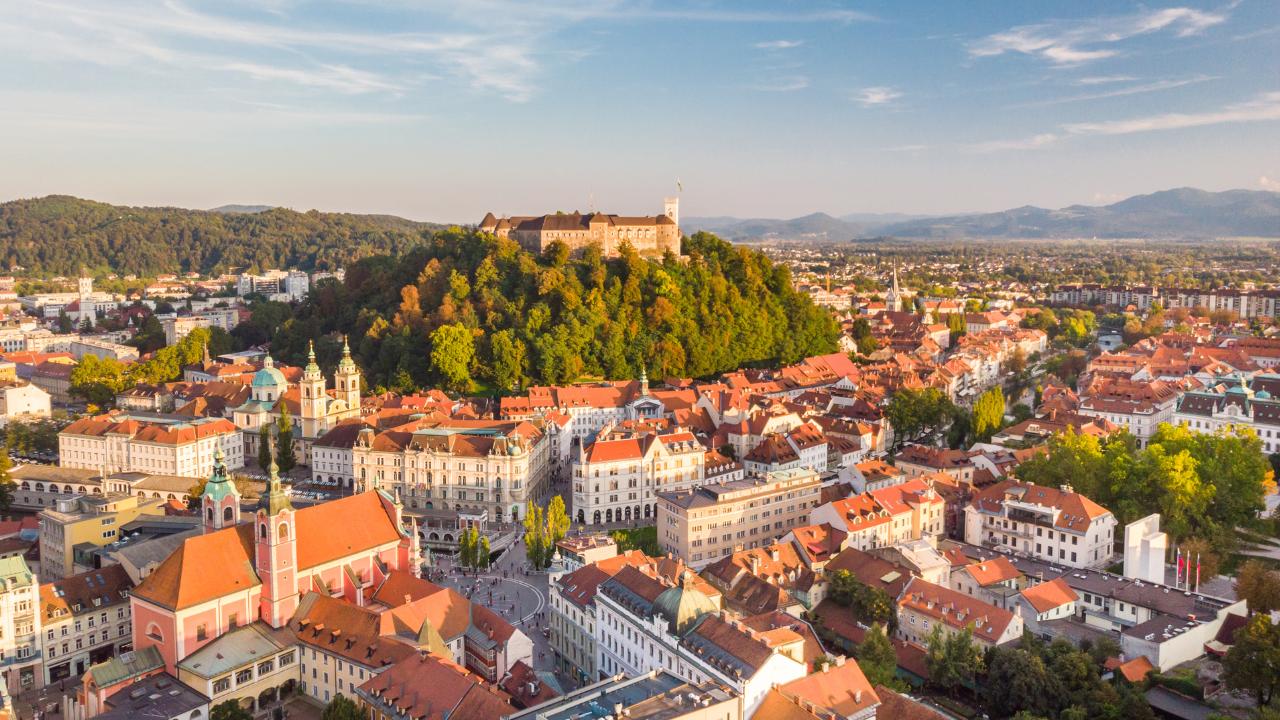
16. Ljubljana, Slovenia

Ljubljana has a charming, walkable center perfect for spontaneous exploration. Riverfront cafés and markets create a lively atmosphere. The city blends culture and relaxation effortlessly. It’s easy to enjoy without planning.

Best Season to Visit: Spring and summer

Ideal Visiting Hours: Evening

Traveler Tip: Walk along the riverfront

Must-Know: The city center is largely car-free

17. Vilnius Old Town, Lithuania
© Shutterstock / Savvapanf Photo

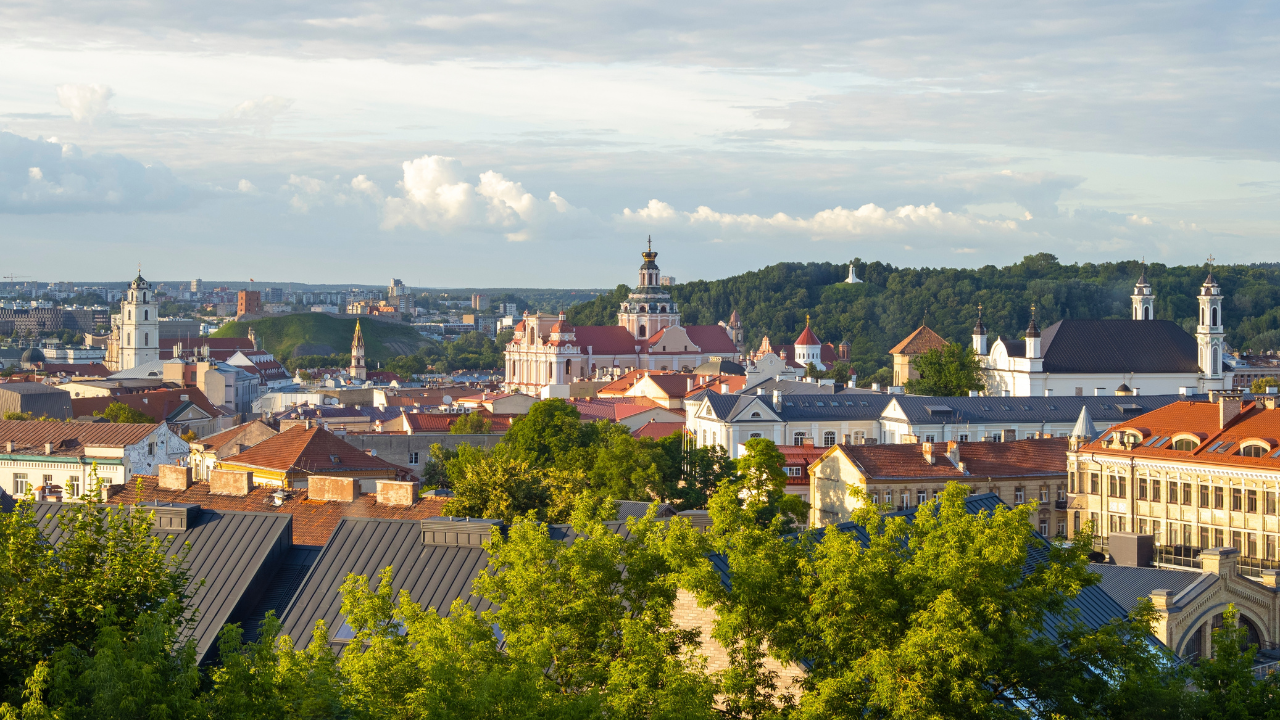
17. Vilnius Old Town, Lithuania

Vilnius Old Town is full of hidden courtyards and artistic spaces. Wandering reveals unique neighborhoods like Užupis. The mix of history and creativity stands out. It’s perfect for curious travelers.

Best Season to Visit: Spring and summer

Ideal Visiting Hours: Afternoon

Traveler Tip: Explore Užupis district

Must-Know: It’s one of the largest old towns in Europe

18. Kotor, Montenegro
© Shutterstock / DaLiu

18. Kotor, Montenegro

Kotor sits beneath towering cliffs with a stunning medieval core. Climbing its walls is best done spontaneously based on weather. The views reward the effort. Evenings bring a magical atmosphere.

Best Season to Visit: Spring and autumn

Ideal Visiting Hours: Sunset

Traveler Tip: Start climbs early

Must-Know: The climb has over 1,000 steps

19. Belgrade’s Bohemian Quarter, Serbia
© Shutterstock / Nenad Nedomacki

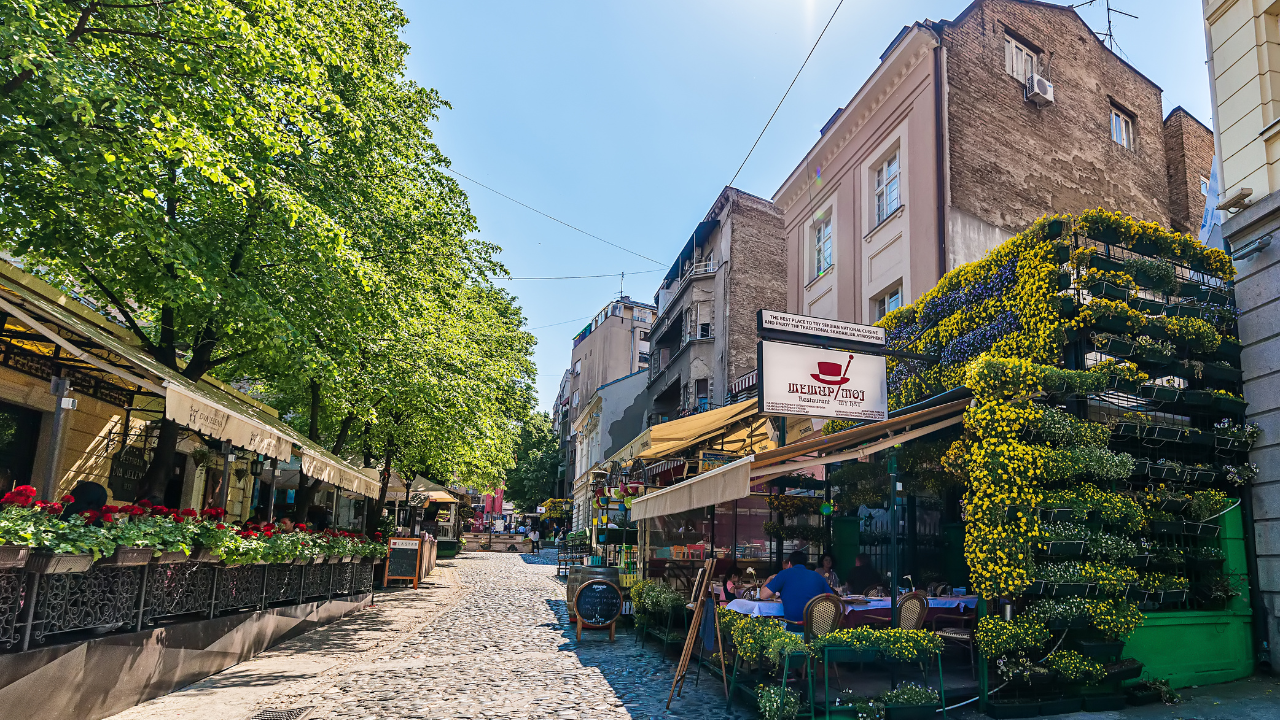
19. Belgrade’s Bohemian Quarter, Serbia

Skadarlija offers a lively cultural experience with music and traditional food. The energy changes throughout the night. Following the atmosphere leads to the best experiences. It’s vibrant and unpredictable.

Best Season to Visit: Summer

Ideal Visiting Hours: Night

Traveler Tip: Follow live music sounds

Must-Know: It’s Belgrade’s historic bohemian area

20. Gdańsk, Poland
© Shutterstock / Nowaczyk

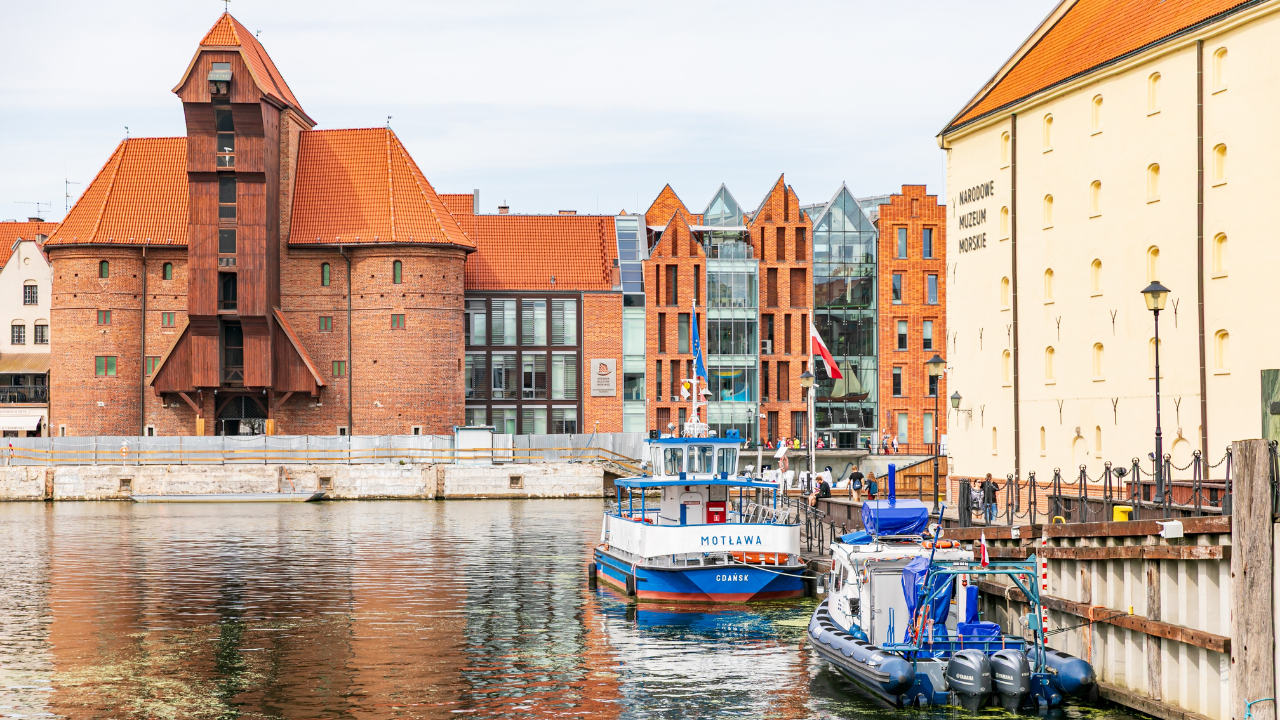
20. Gdańsk, Poland

Gdańsk combines maritime history with colorful architecture. Wandering reveals shops, museums, and waterfront views. The city invites slow exploration. It’s rich in both culture and history.

Best Season to Visit: Late spring to early autumn

Ideal Visiting Hours: Afternoon

Traveler Tip: Take a spontaneous ferry ride

Must-Know: It played a key role in European history


Comments (0)

Leave a Reply

No comments yet. Be the first to share your thoughts!