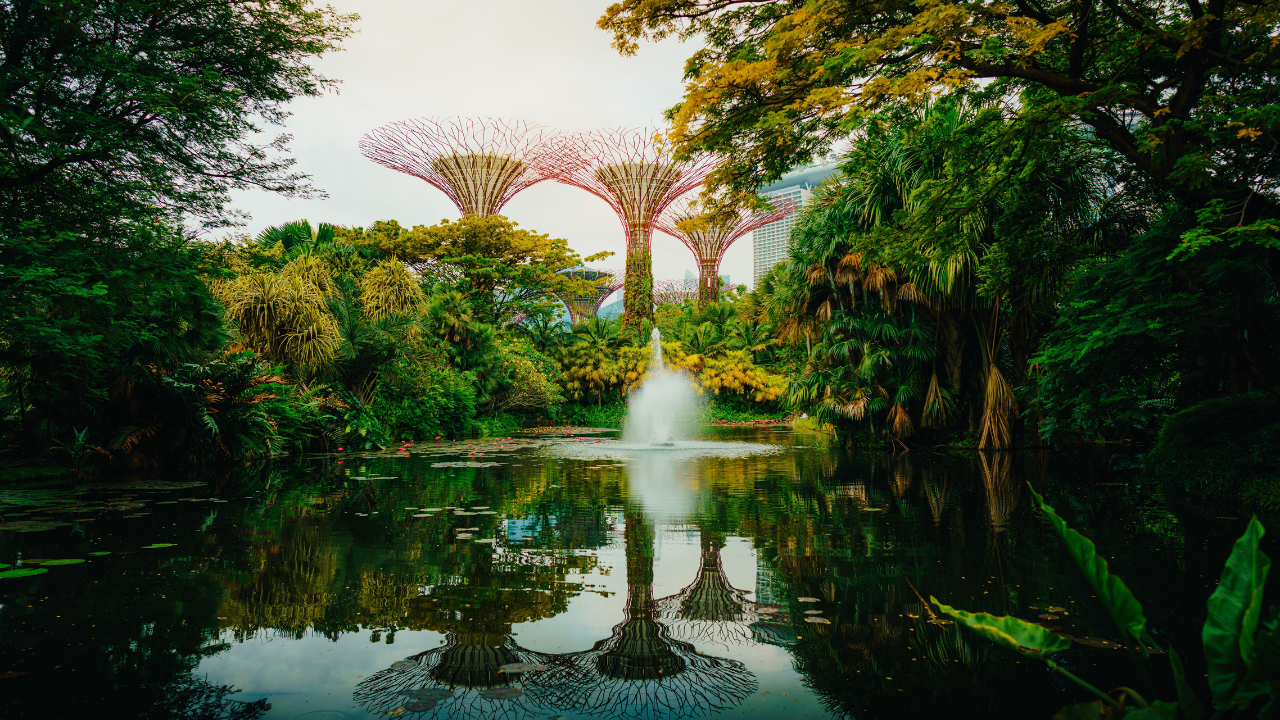
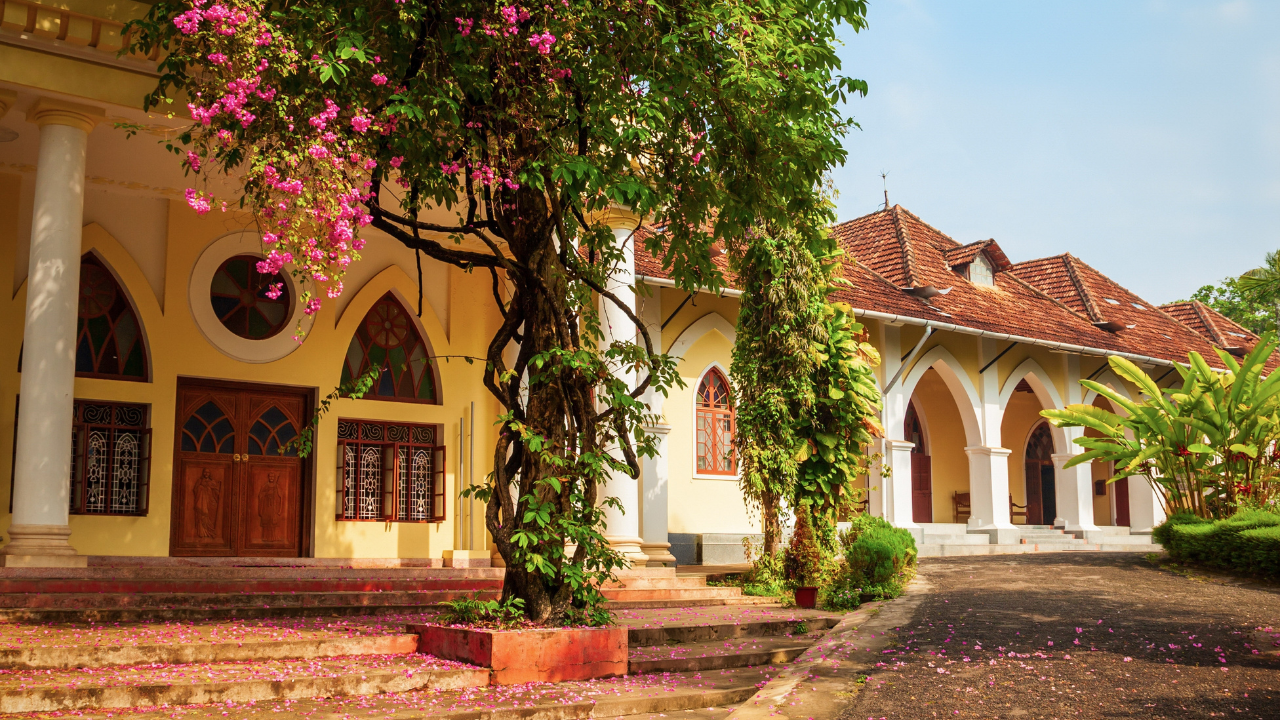
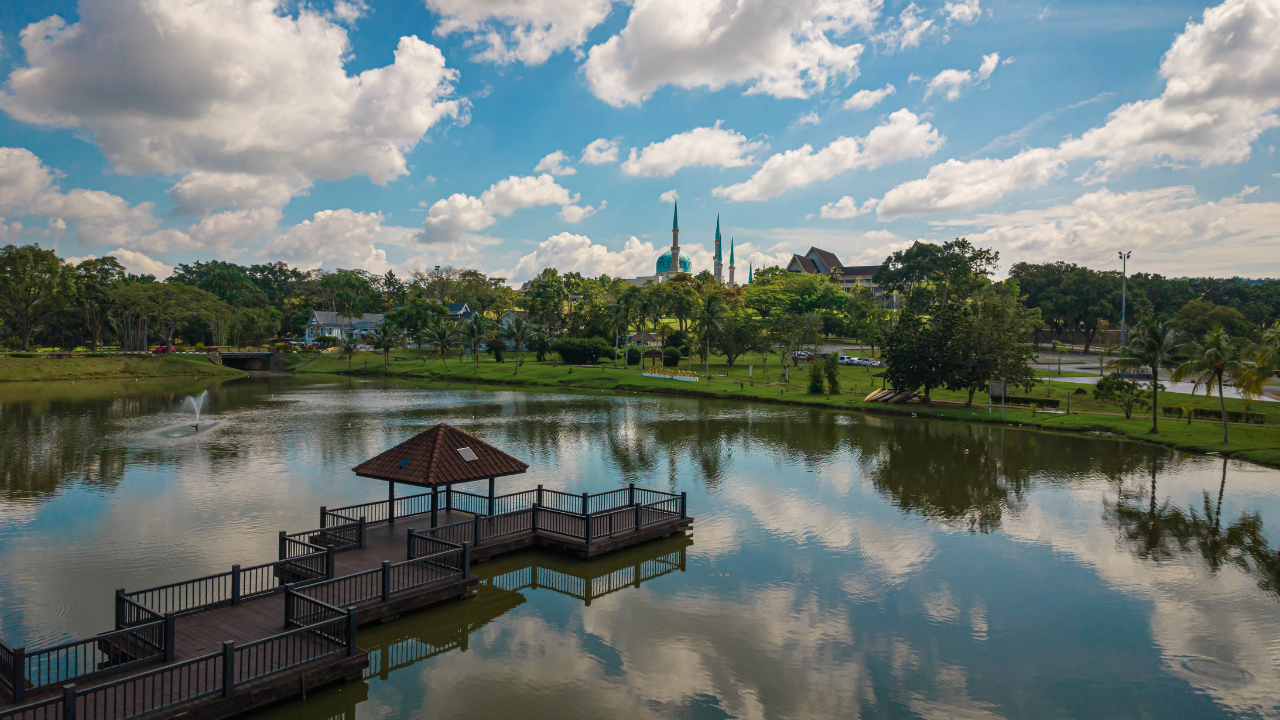
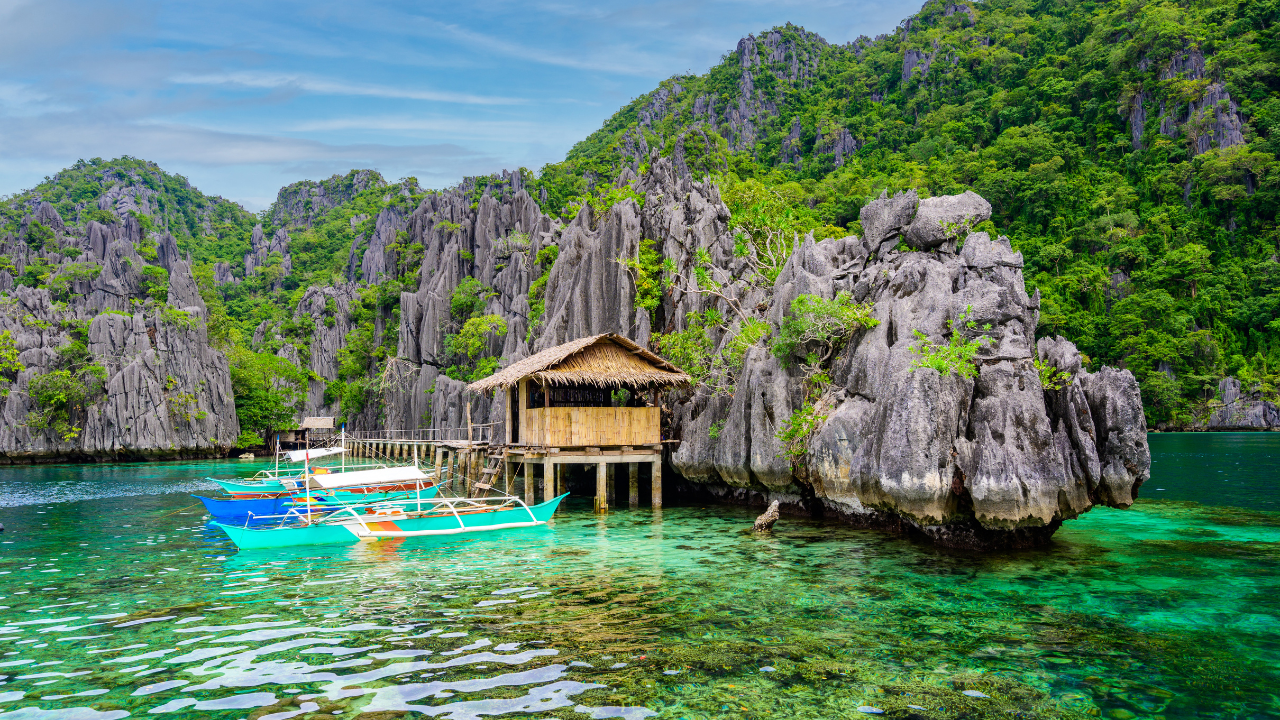
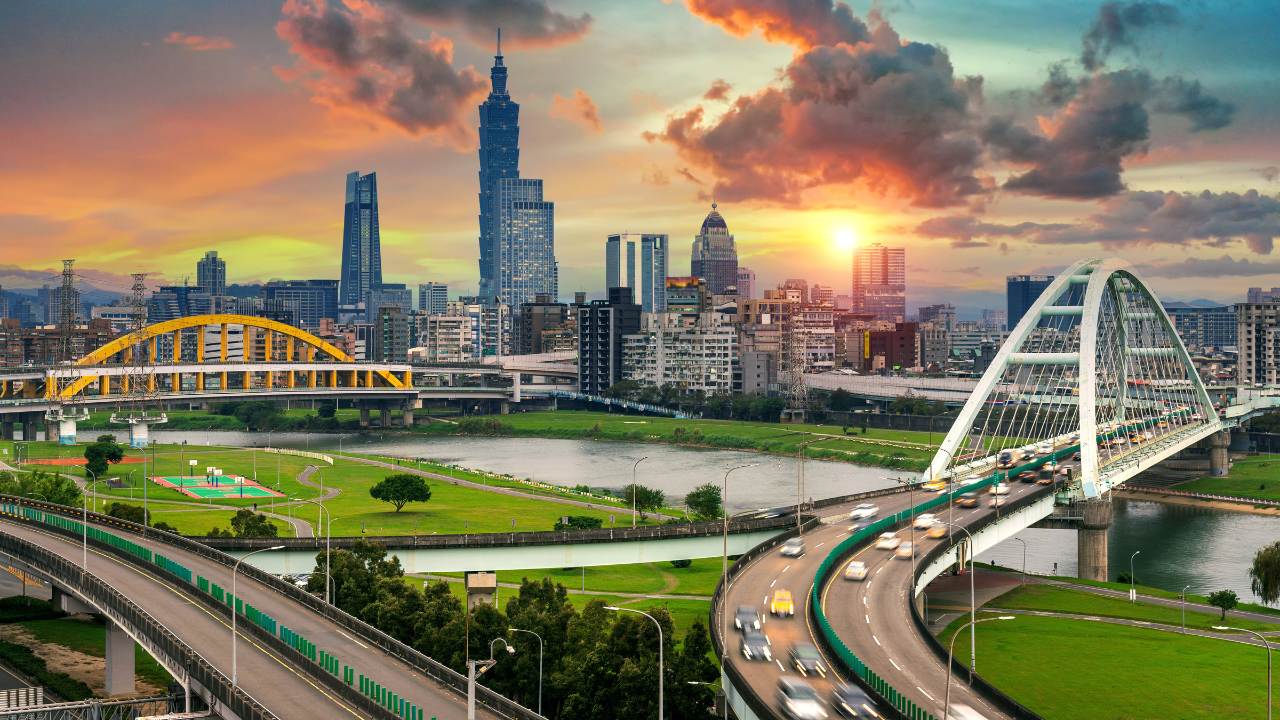
Across Asia, some of the world’s busiest cities are finding new ways to make room for trees, wetlands, native plants, and wildlife. Urban forests are no longer treated as simple decorations around buildings. They are becoming cooling spaces, biodiversity refuges, walking routes, flood buffers, and quiet places where residents can reconnect with nature. The source article highlights Tokyo’s Meiji Jingu forest and Singapore’s City in Nature model as examples of how dense cities can support greenery, wellbeing, and wildlife simultaneously. These 10 Asian countries show how urban forests can help crowded cities feel healthier, calmer, and more resilient.

No comments yet. Be the first to share your thoughts!