Travel Destination

10 stops worth making while exploring Paris on foot

Julian Cross
4.3
May 12, 2026

Paris, the capital of France, is one of the most visited cities in the world and a major hub for art, fashion, history, and culture. Known as the “City of Light,” it blends centuries-old architecture with modern urban life in a way few cities can match. Walking through Paris often feels like moving through an open-air museum, where every street, bridge, and square has a story attached to it.

The city is shaped by the Seine River, which divides Paris into the Left Bank and Right Bank, each offering its own personality. On one side, you’ll find historic landmarks and grand boulevards, while the other is known for intellectual cafés, artistic districts, and quieter neighborhoods. Paris is also home to world-famous museums, gardens, and monuments that attract millions of visitors every year.

What makes Paris unique is not just its landmarks, but the way daily life blends with history. A simple walk can take you past medieval churches, royal palaces, street markets, and riverside bookstalls. This guide covers the top 10 places to visit in Paris that help travelers experience the city’s true character, culture, and atmosphere.
1. Eiffel Tower
© Shutterstock / Sven Hansche

1. Eiffel Tower

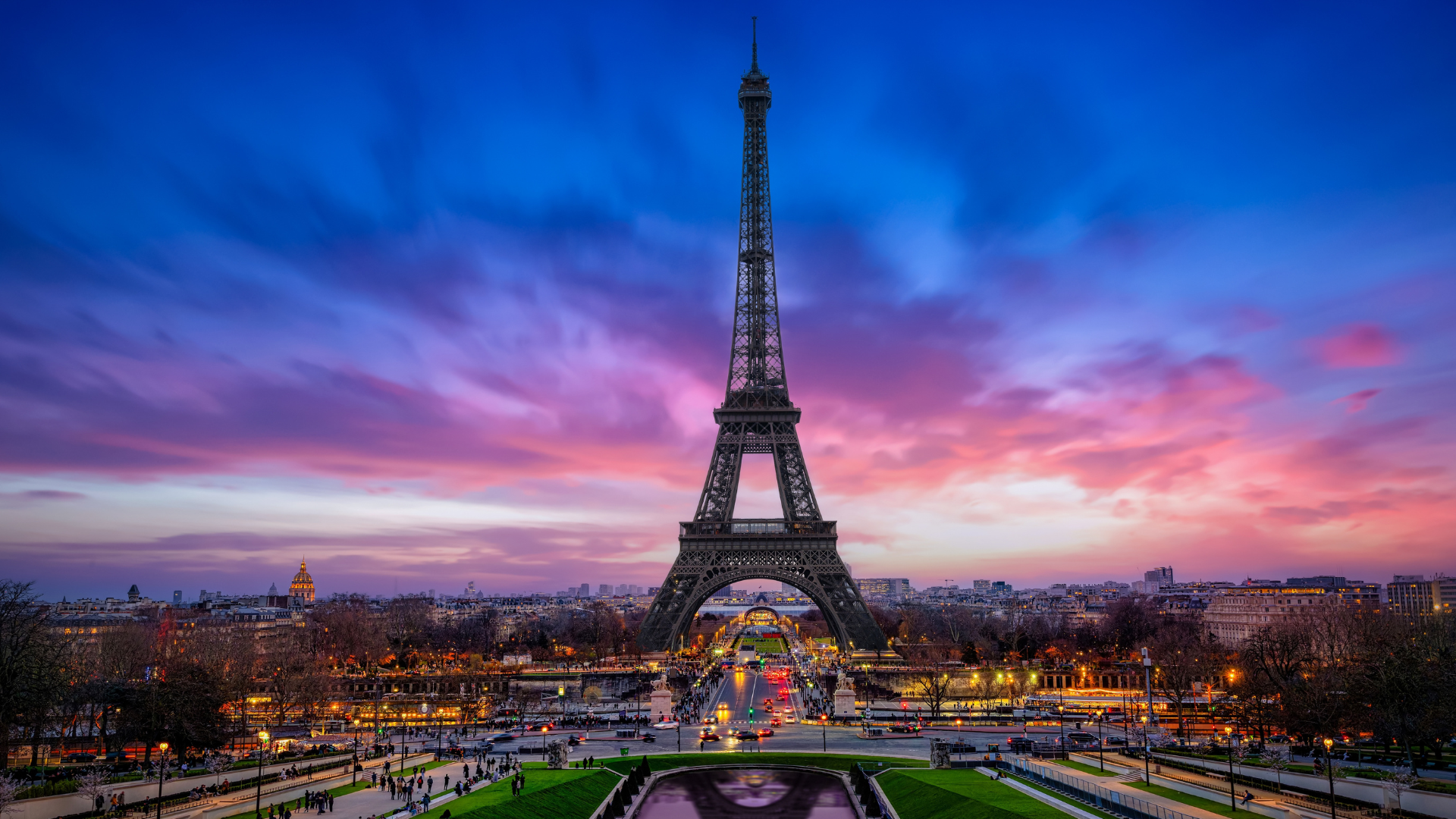
The Eiffel Tower is the most recognizable structure in Paris and one of the most visited landmarks in the world. Built in 1889 for the Exposition Universelle, it stands at the center of the city’s skyline and offers panoramic views from multiple levels. The surrounding Champ de Mars park provides a wide green space where visitors can relax and view the tower from different perspectives. Across the Seine, the Trocadéro Gardens are popular for photography, especially at sunrise and sunset when the light reflects off the structure. The Eiffel Tower is not only an architectural achievement but also a symbol of Paris itself, representing innovation and elegance.

Best Season to Visit: April to June, September to October

Ideal Visiting Hours: 9:00 AM – 11:00 AM or after sunset

Traveler Tip: Book tickets in advance to avoid long queues

Must-Know: Security checks are required before entry

2. Louvre Museum
© Unsplash / Michael Fousert's

2. Louvre Museum

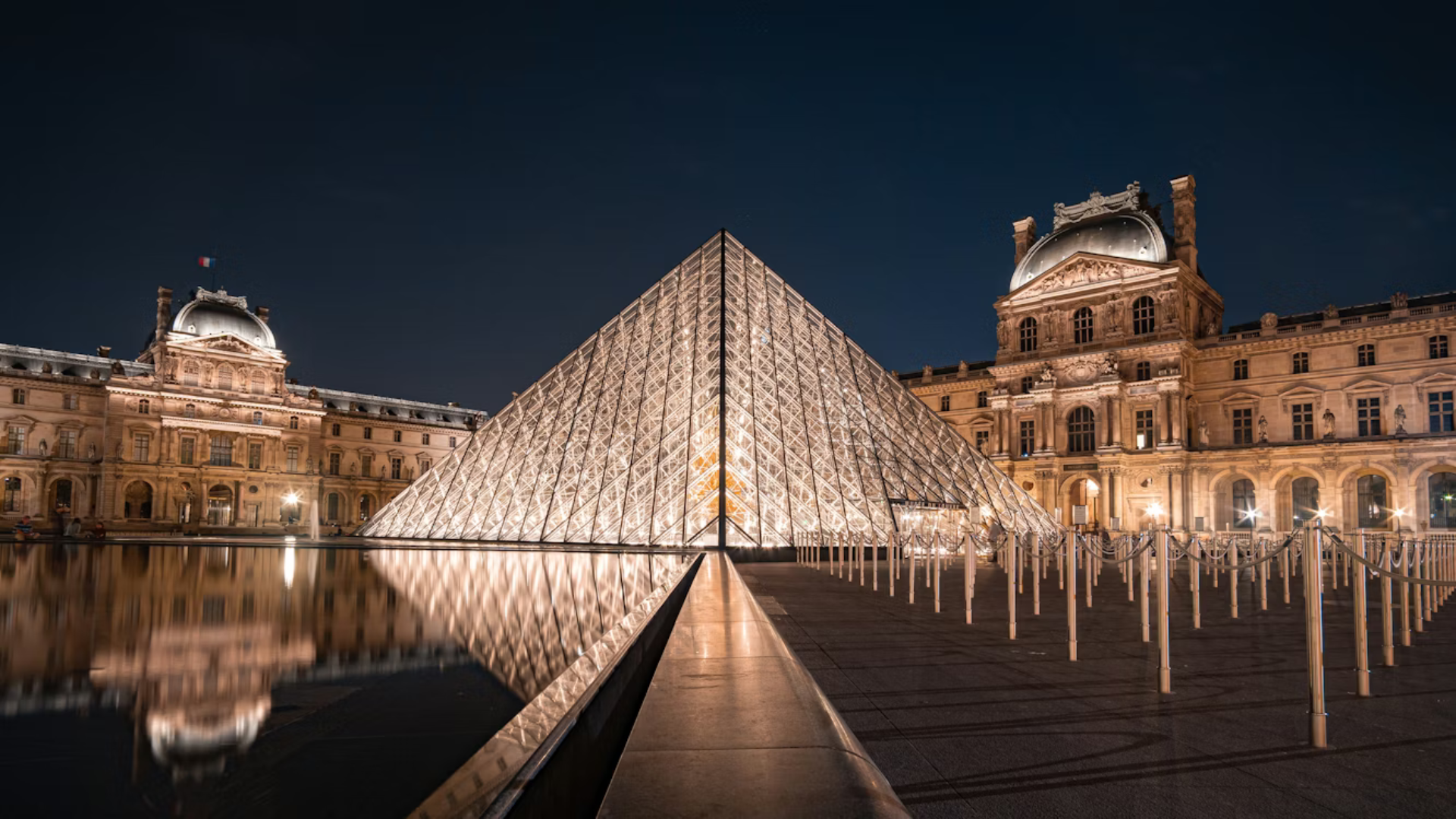
The Louvre Museum is the largest art museum in the world and a central cultural landmark in Paris. Originally built as a fortress in the 12th century, it later became a royal palace before transforming into a museum. Today, it houses thousands of artworks, including the Mona Lisa and the Venus de Milo. The glass pyramid in the courtyard is a modern addition that contrasts with the historic palace architecture, creating one of the most photographed museum entrances in the world. Even if you do not enter, the exterior courtyard and surrounding Tuileries Garden are worth visiting for a full experience of the area.

Best Season to Visit: Year-round (less crowded in winter)

Ideal Visiting Hours: Early morning or late afternoon

Traveler Tip: Enter through lesser-known entrances like Carrousel du Louvre

Must-Know: Closed on Tuesdays

3. Notre-Dame Cathedral
© Shutterstock / Kirill Neiezhmakov

3. Notre-Dame Cathedral

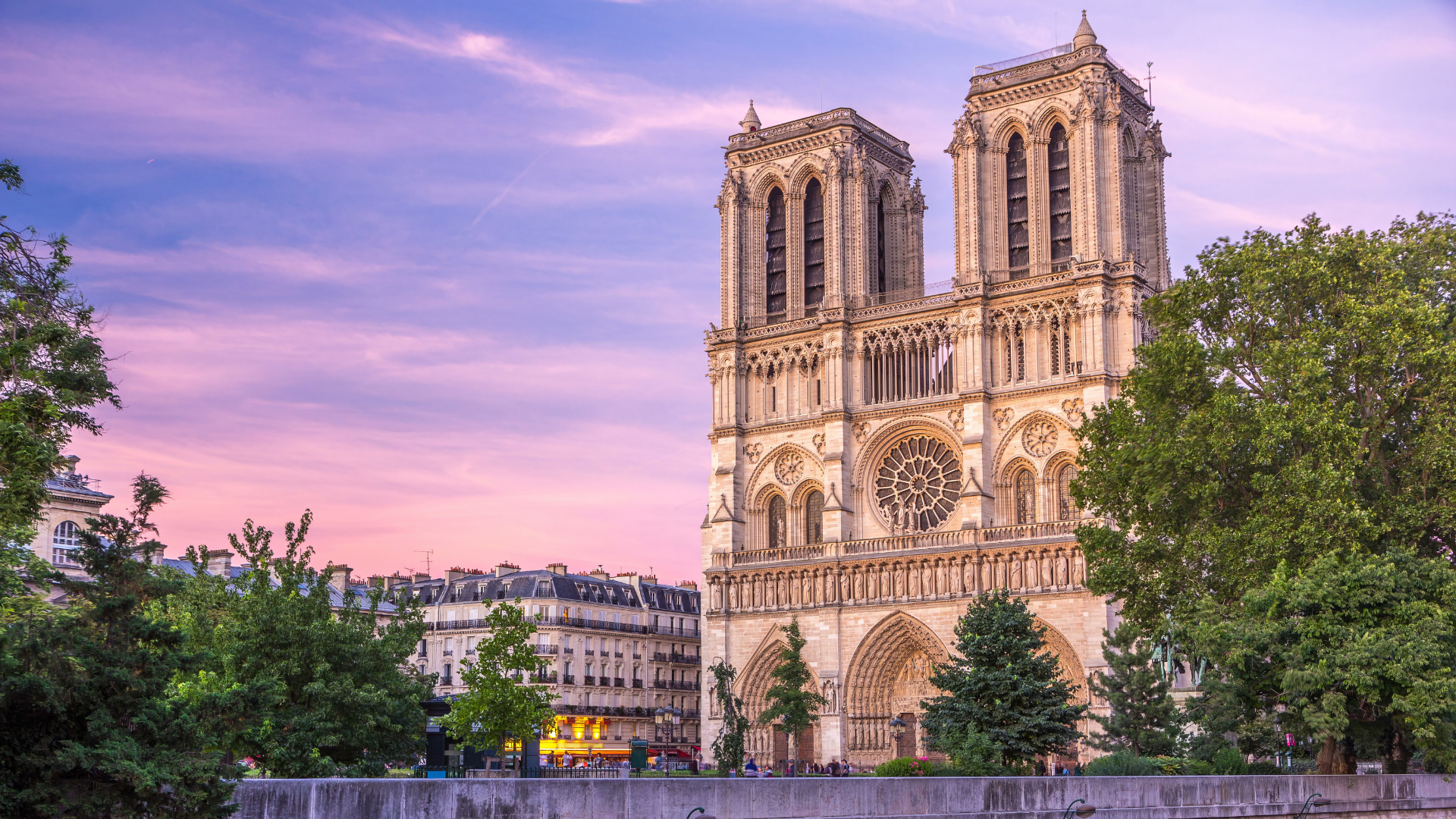
Located on Île de la Cité, Notre-Dame Cathedral is one of the finest examples of French Gothic architecture. Construction began in the 12th century, and the cathedral has played an important role in Parisian history for centuries. Despite restoration work following the 2019 fire, its exterior remains a major attraction. The detailed stone carvings, flying buttresses, and twin towers make it one of the most admired religious structures in Europe. The surrounding riverbanks offer some of the best views of the cathedral, especially from the nearby bridges along the Seine.

Best Season to Visit: Spring and autumn

Ideal Visiting Hours: Morning or late afternoon

Traveler Tip: Walk along the Seine for the best photo angles

Must-Know: Interior access may be restricted during restoration

4. Montmartre and Sacré-Cœur
© Shutterstock / Structured Vision

4. Montmartre and Sacré-Cœur

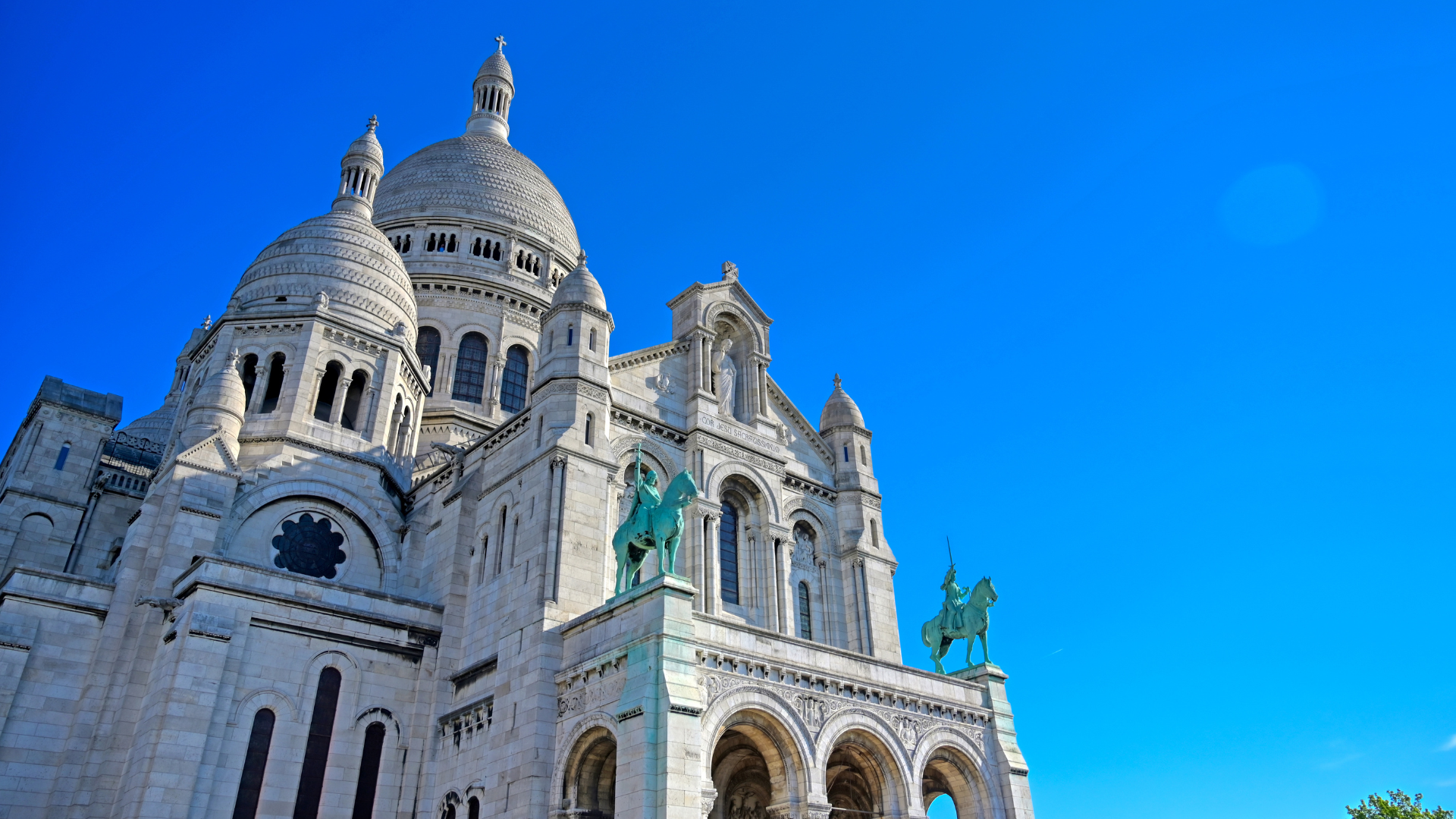
Montmartre is a historic hilltop district known for its artistic heritage and village-like atmosphere. Once home to famous artists such as Picasso and Van Gogh, it still retains a creative spirit today. At the top of the hill sits the Sacré-Cœur Basilica, offering one of the highest viewpoints in Paris. The area is filled with cobblestone streets, local cafés, and small art studios where painters still display their work. The climb to the basilica is rewarded with sweeping views of the entire city skyline, making it one of the most memorable stops in Paris.

Best Season to Visit: May to September

Ideal Visiting Hours: Early morning or sunset

Traveler Tip: Use funicular or stairs depending on energy level

Must-Know: Watch for pickpockets in busy tourist areas

5. Champs-Élysées and Arc de Triomphe
© Shutterstock / fokke baarssen

5. Champs-Élysées and Arc de Triomphe

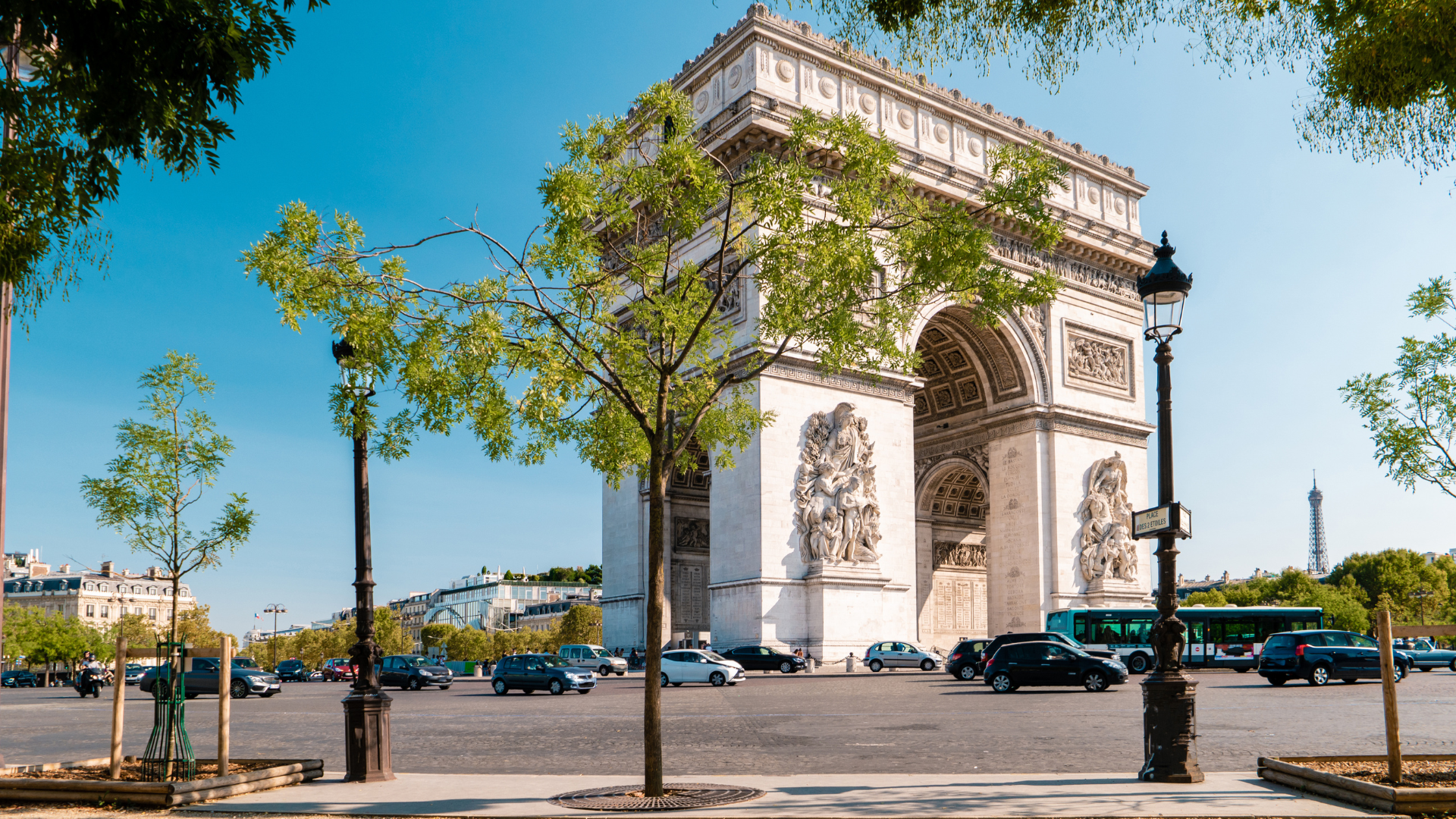
The Champs-Élysées is one of the most famous avenues in the world, stretching from Place de la Concorde to the Arc de Triomphe. The boulevard is lined with shops, theaters, cafés, and luxury boutiques, making it a central part of Parisian urban life. At the western end stands the Arc de Triomphe, built to honor those who fought and died for France. Visitors can climb to the top for a panoramic view of the city’s radial street layout, including twelve avenues that extend outward like spokes.

Best Season to Visit: Spring and December (festive lights)

Ideal Visiting Hours: Evening for illuminated views

Traveler Tip: Visit Arc de Triomphe rooftop for sunset views

Must-Know: Traffic circle access requires underground passage

6. Seine River
© Shutterstock / RossHelen

6. Seine River

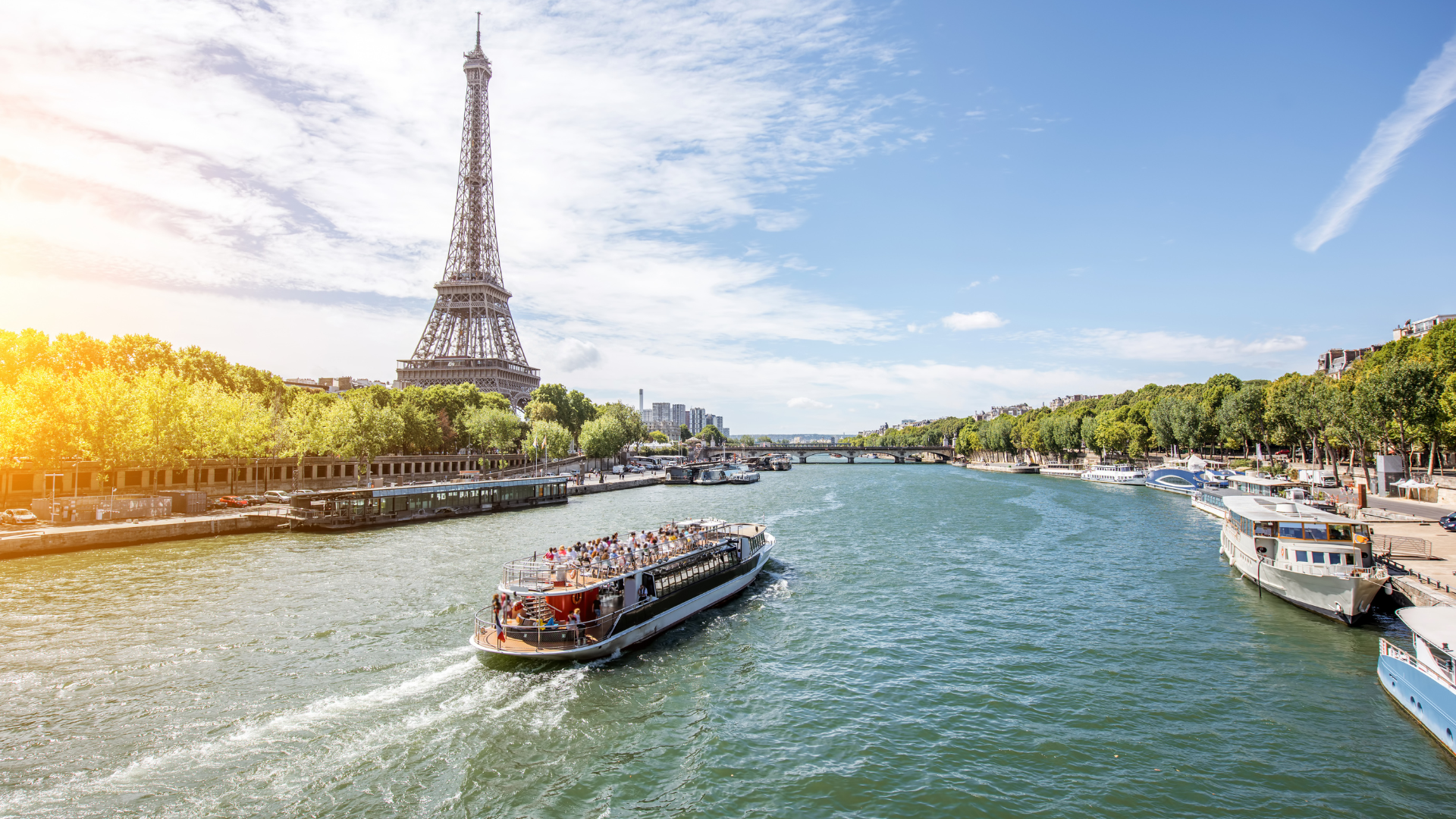
The Seine River is the heart of Paris, dividing the city into two distinct halves. Walking along its banks is one of the most relaxing and scenic experiences in the city. Bookstalls known as “bouquinistes” line the riverside, selling vintage books, prints, and souvenirs. Many of Paris’s most famous landmarks, including Notre-Dame and the Eiffel Tower, are visible from different points along the river. Boat cruises also offer a unique perspective of the city’s illuminated bridges and architecture.

Best Season to Visit: Late spring to early autumn

Ideal Visiting Hours: Sunset and nighttime cruises

Traveler Tip: Choose a walking route between Île Saint-Louis and Eiffel Tower

Must-Know: River cruises operate daily with evening lighting tours

7. Luxembourg Gardens
© Shutterstock / V_E

7. Luxembourg Gardens

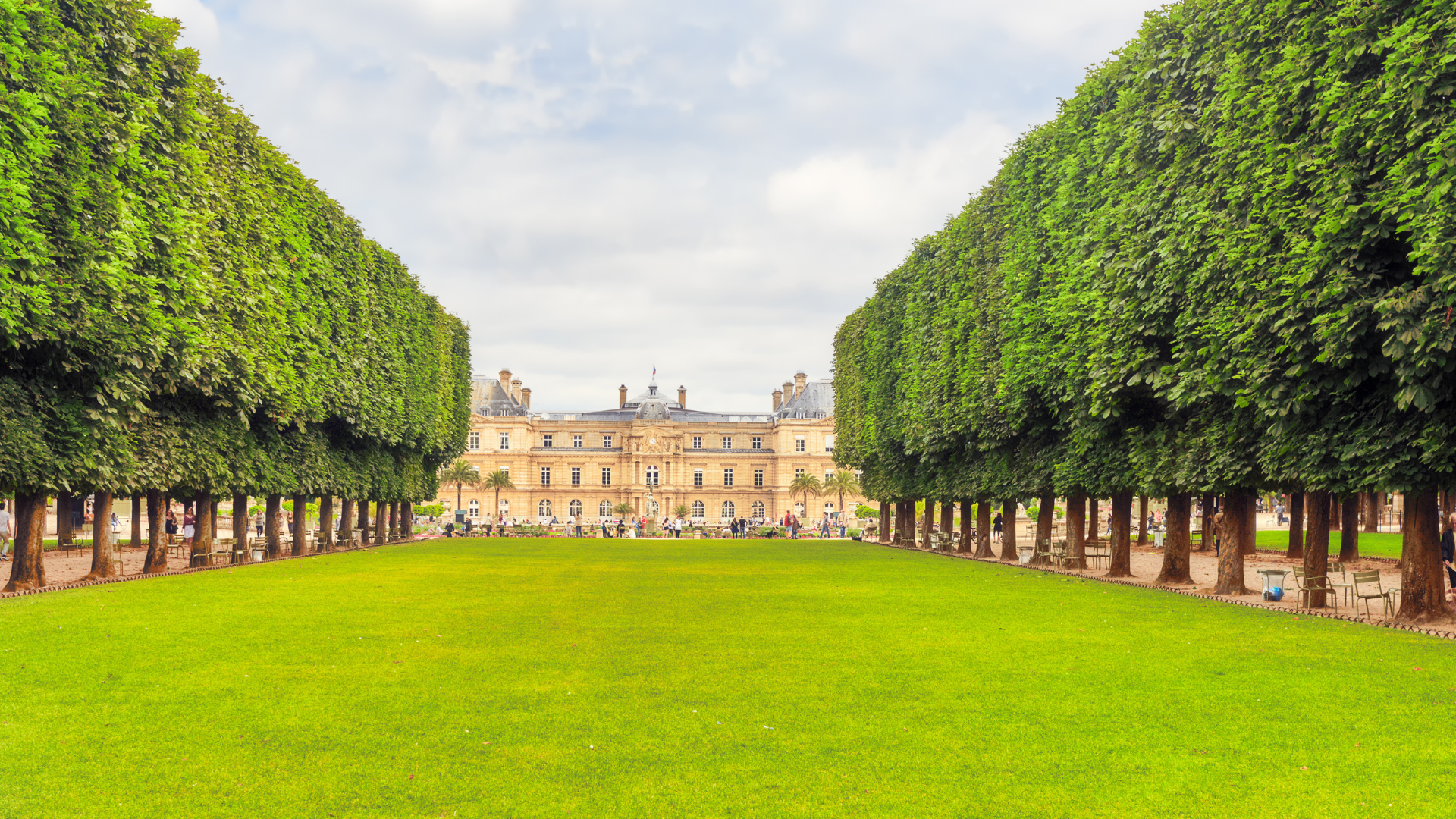
The Luxembourg Gardens are one of the most beautiful public parks in Paris, located in the 6th arrondissement. Created in the 17th century, the gardens feature manicured lawns, fountains, statues, and tree-lined promenades. At the center stands the Luxembourg Palace, which now houses the French Senate. The gardens are popular with both locals and visitors who come here for relaxation, reading, or casual walks. Children often sail small model boats in the central fountain, adding to the peaceful atmosphere.

Best Season to Visit: Spring and summer

Ideal Visiting Hours: Morning or late afternoon

Traveler Tip: Bring a book or coffee for a relaxed visit

Must-Know: Free public entry

8. Musée d’Orsay
© Shutterstock / fokke baarssen

8. Musée d’Orsay

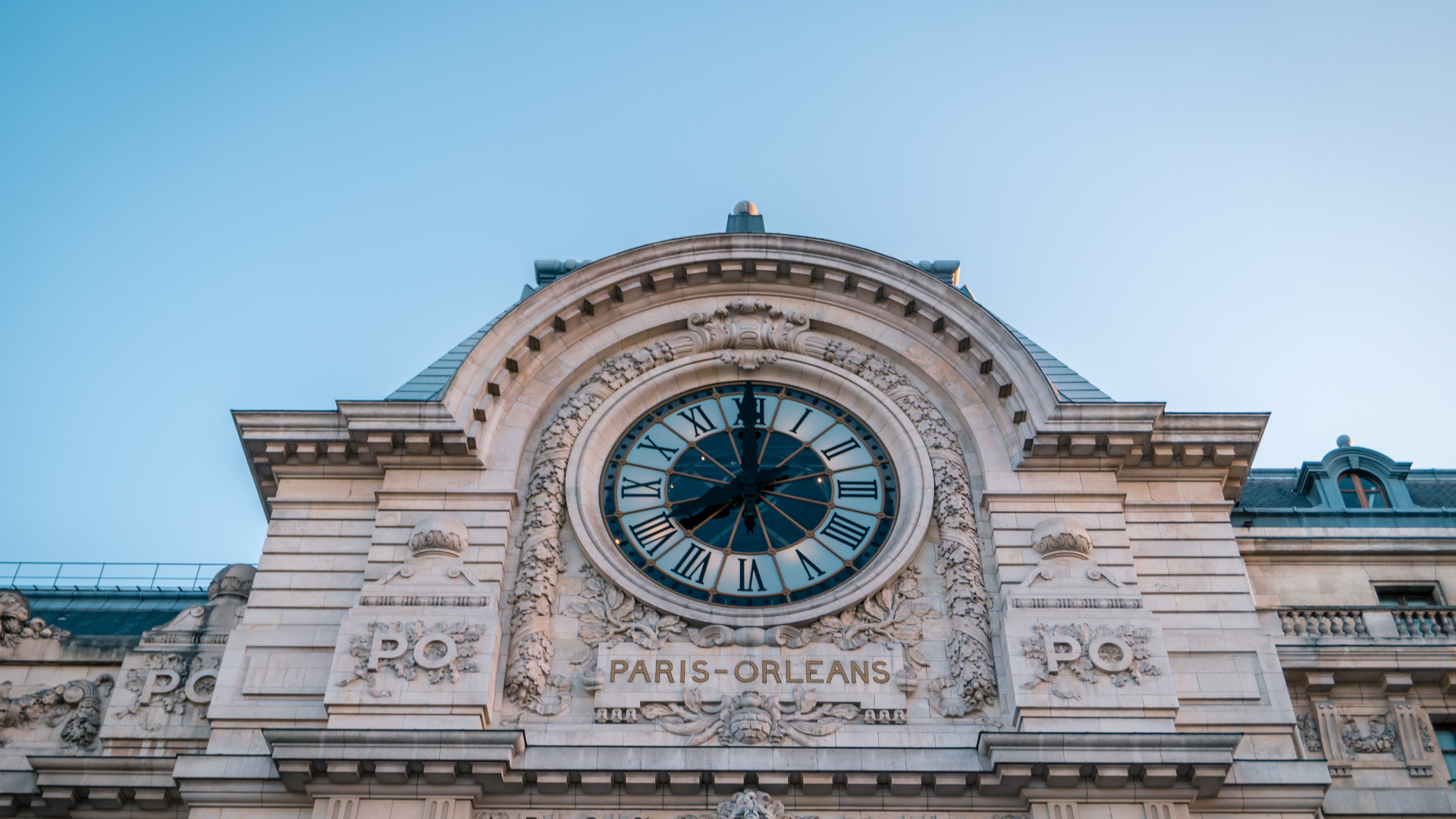
Housed in a former railway station, the Musée d’Orsay is famous for its extensive collection of Impressionist and Post-Impressionist art. Works by Monet, Van Gogh, Renoir, and Degas are displayed here, making it a key cultural stop in Paris. The building itself is as impressive as the collection, with its large clock windows and industrial architecture. Located along the Seine, it connects easily with other major landmarks, making it a natural stop during a walking tour.

Best Season to Visit: Year-round

Ideal Visiting Hours: Mid-morning or weekday afternoons

Traveler Tip: Visit upper floors for best impressionist collections

Must-Know: Closed on Mondays

9. Latin Quarter
© Pexels / Mehmet Turgut Kirkgoz

9. Latin Quarter

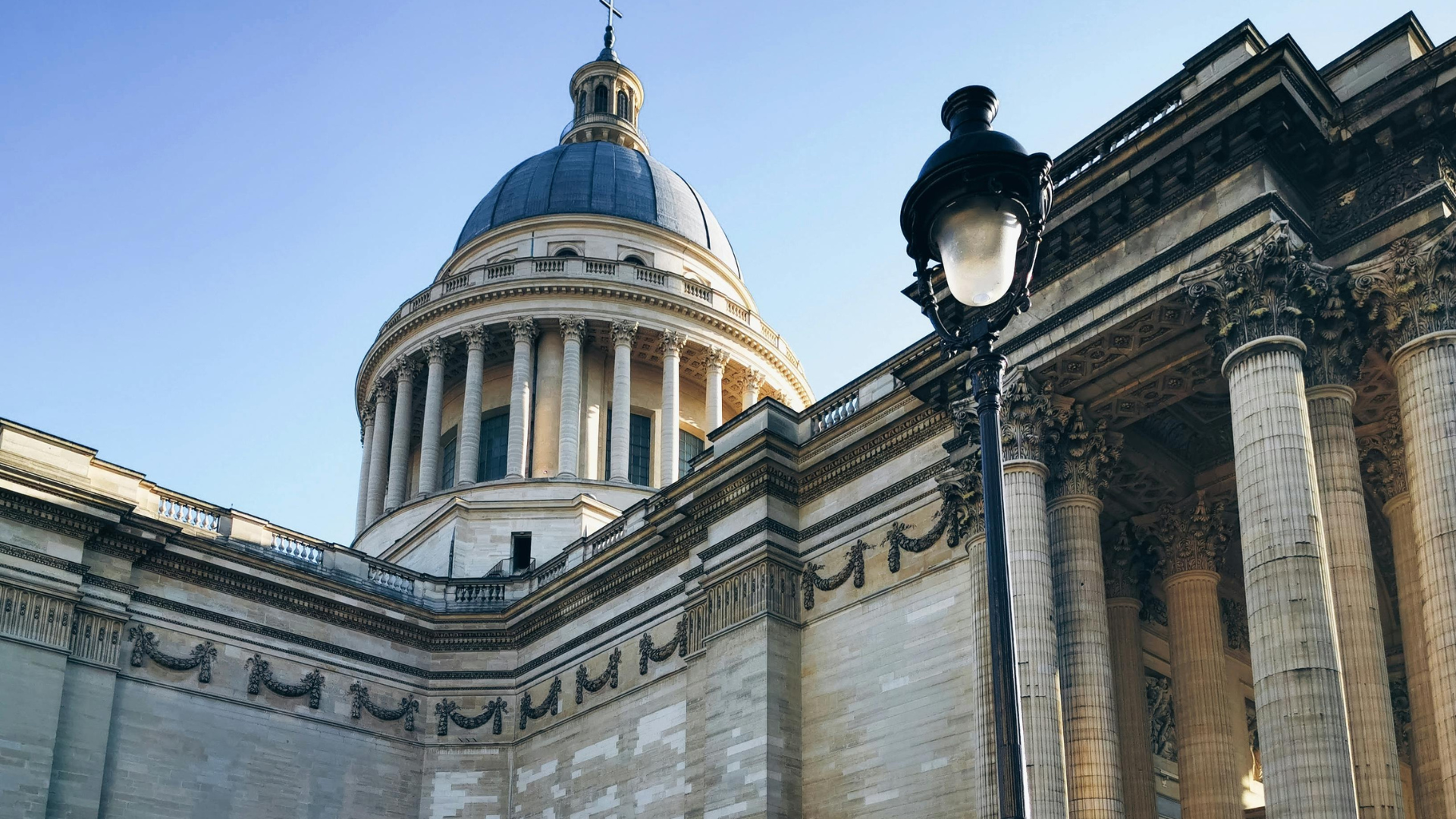
The Latin Quarter is one of the oldest districts in Paris, known for its student population, bookshops, and historic cafés. It is home to the Sorbonne University and has long been a center of intellectual and cultural activity. Narrow streets, traditional restaurants, and lively squares define the atmosphere here. The district also includes the Panthéon, where many important French figures are buried. It offers a more local and everyday feel compared to central tourist areas.

Best Season to Visit: Spring and early autumn

Ideal Visiting Hours: Afternoon and evening

Traveler Tip: Explore side streets for authentic cafés

Must-Know: Many attractions are within walking distance

10. Place de la Concorde
© Shutterstock / Henryk Sadura

10. Place de la Concorde

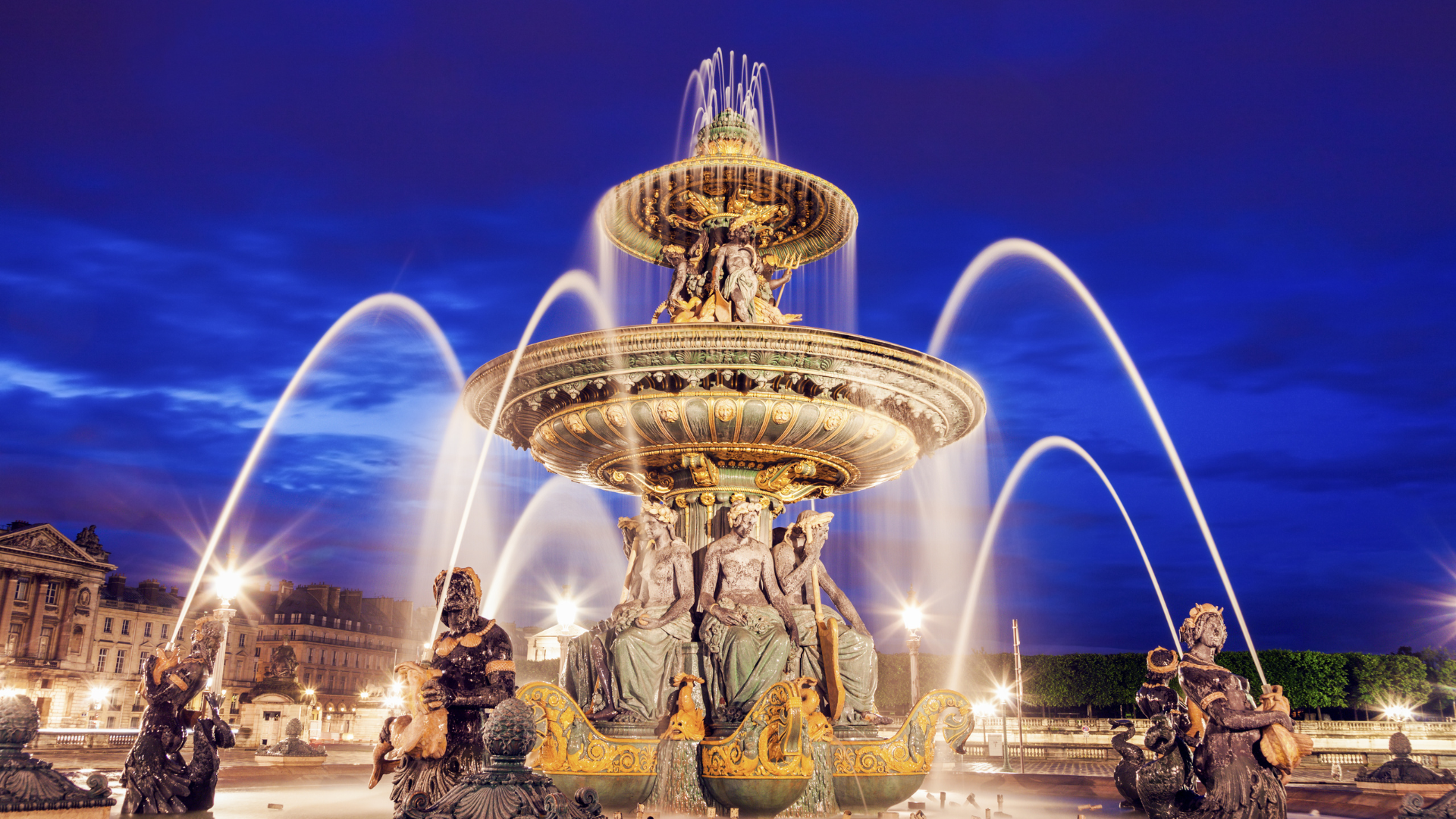
Place de la Concorde is one of the largest public squares in Paris and holds deep historical significance. Located at the eastern end of the Champs-Élysées, it features the Luxor Obelisk, which dates back to ancient Egypt. The square has witnessed major events in French history and now serves as a central traffic and cultural landmark. From here, visitors can see straight down the Champs-Élysées toward the Arc de Triomphe and across to the Tuileries Garden.

Best Season to Visit: Year-round

Ideal Visiting Hours: Evening for illuminated views

Traveler Tip: Use it as a starting point for walking tours

Must-Know: Heavy traffic area, use pedestrian crossings


Comments (0)

Leave a Reply

No comments yet. Be the first to share your thoughts!